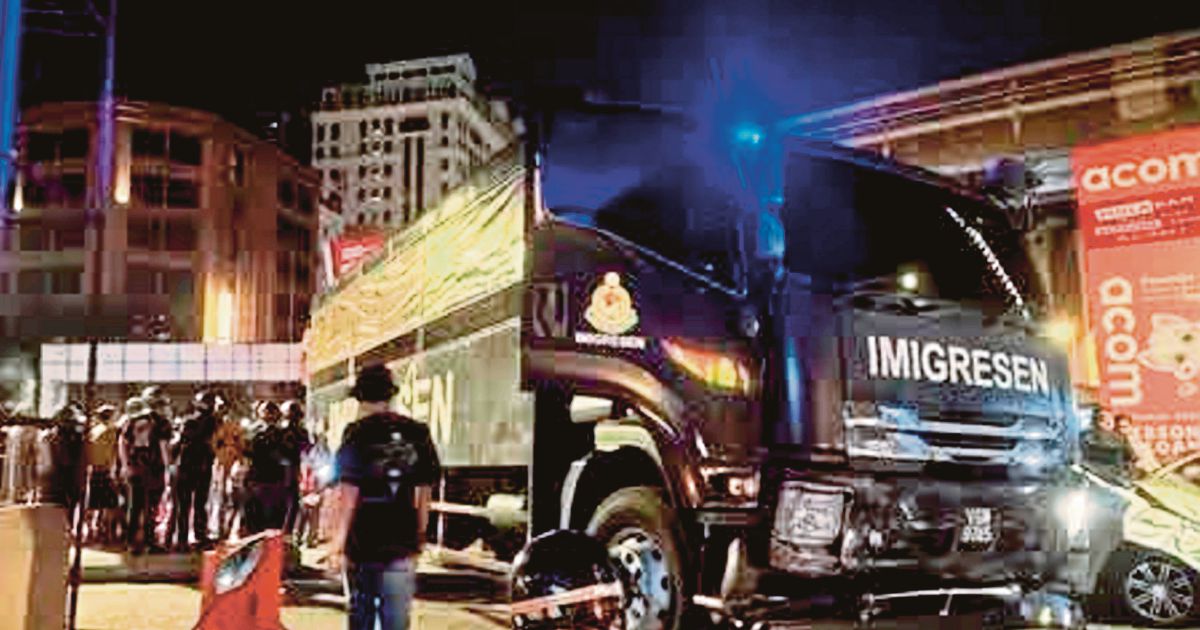
A tragic accident unfolded on Jalan Sultan Ismail in the early hours of the day, resulting in the deaths of three family members and triggering an immediate police investigation. Two drivers have since been remanded in custody as authorities piece together the circumstances surrounding the collision involving an Immigration Department lorry that claimed the lives of a father and his two young daughters.
The authorities moved swiftly to detain both drivers implicated in the incident. Their remand is expected to facilitate a thorough investigation into what caused the catastrophic crash that devastated one family and has shaken the Kuala Lumpur community. Police have not yet disclosed full details regarding the sequence of events leading to the collision, but preliminary indications suggest that the severity of the impact was significant enough to prove fatal for the three occupants of one vehicle.
This incident adds to Malaysia's sobering road safety statistics, particularly concerning accidents involving larger vehicles such as lorries. The fatality of a father alongside his two daughters underscores the unpredictable nature of traffic collisions and how quickly tragedy can strike during routine journeys through busy urban corridors. Jalan Sultan Ismail, a major thoroughfare in the heart of Kuala Lumpur's commercial district, experiences substantial vehicular traffic throughout the day and night.
The involvement of an Immigration Department vehicle raises procedural questions about transport protocols and vehicle safety standards maintained by government agencies. Preliminary investigation findings may illuminate whether mechanical failure, driver fatigue, adverse weather conditions, or other contributing factors played a role in the crash. The authorities will need to examine maintenance records, driver backgrounds, and adherence to road safety regulations to establish liability.
Families who lose loved ones in vehicle collisions often face extended legal proceedings alongside their grief. The remand of both drivers indicates police intend to gather comprehensive evidence before determining whether charges will be filed and under what provisions—potentially ranging from causing death by rash or negligent act to other traffic-related offences. This process typically involves forensic analysis of the vehicle damage, examination of skid marks and road conditions, and witness testimonies.
Traffic safety remains a persistent challenge across Southeast Asia, with Malaysia recording thousands of road accidents annually. Urban accidents often occur at intersections or along major arterial roads during peak hours, though this collision happened in the early morning when traffic volumes are typically lower. This factor may aid investigators in understanding visibility, speed, and other conditions at the time of impact.
The incident serves as a reminder to road users of the importance of defensive driving practices, particularly when sharing roads with heavy vehicles whose stopping distances and manoeuvrability differ significantly from passenger cars. Government vehicles are expected to adhere to higher safety standards and conduct regular maintenance checks to minimise risk to the public.
Police investigations into fatal traffic collisions in Malaysia generally proceed through established protocols involving the Traffic Investigation and Enforcement Department (JSPT) and relevant district police headquarters. Evidence collection and analysis can extend over weeks or months, with findings potentially presented to the Attorney-General's Chambers to determine appropriate charges. The remand period allows investigators to conduct detailed interviews, review CCTV footage if available, and obtain preliminary findings from forensic examinations.
The identity and ages of the deceased family members remain crucial details that will emerge as authorities progress through notification procedures and formal investigations. The loss of a parent and children in a single incident represents one of the most devastating outcomes of road accidents, affecting extended families, community networks, and testing the emotional resilience of emergency responders who attended the scene.
Moving forward, this tragedy may prompt renewed discussions regarding road safety audits on major urban thoroughfares, speed enforcement measures, and vehicle maintenance standards across government transportation fleets. Transport operators and regulatory bodies often conduct reviews following high-profile fatal incidents to identify systemic improvements that might prevent similar occurrences.
As the investigation unfolds, attention will focus on the technical findings regarding vehicle conditions, driver behaviour, and environmental factors. The remanded drivers will have opportunities to provide their accounts of events, which investigators will cross-reference against physical evidence and witness statements. The judicial process ultimately determines whether criminal negligence or other charges are warranted based on the evidence assembled during this critical investigation phase.

