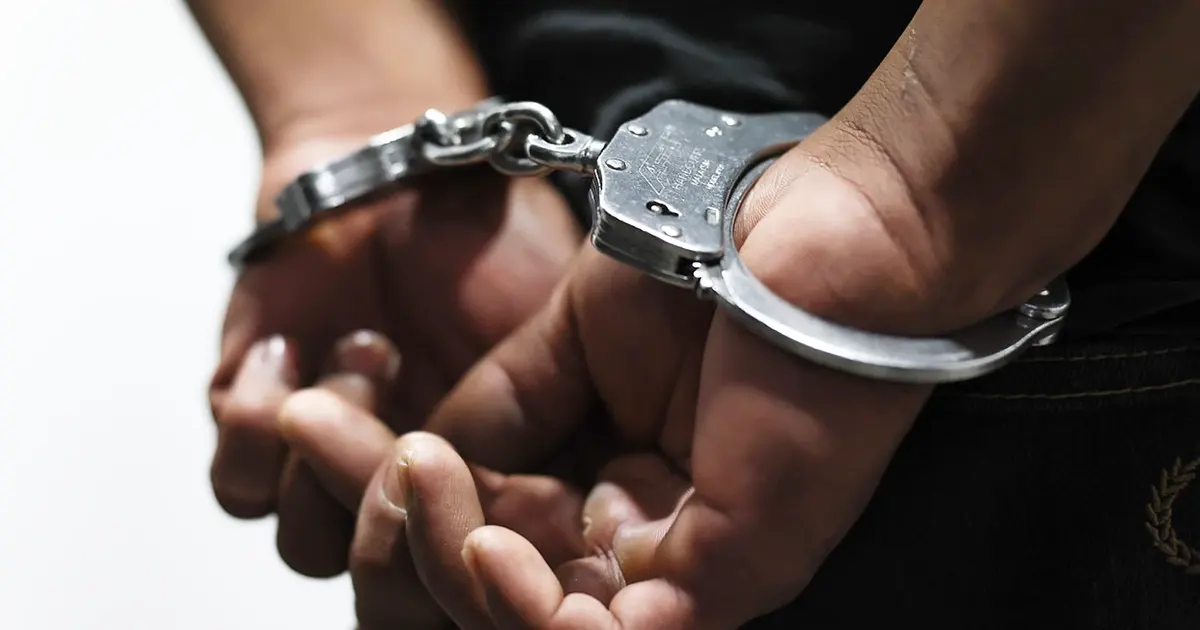
Police have arrested two men in connection with the death of their hunting companion, a case that underscores the dangers inherent in field sports and raises fresh questions about accountability when accidents occur in remote settings. The fatal shooting has triggered a criminal investigation into how the incident unfolded and, crucially, what the two suspects did immediately afterward.
According to police accounts, the victim died from a gunshot wound sustained during what was intended to be a routine hunting trip. Investigators believe the discharge was unintentional—the result of a tragic mishap rather than deliberate intent. However, the manner in which the two men responded to the emergency has become the focal point of the investigation. Rather than immediately seeking help or alerting authorities, the pair allegedly removed the body from the location and attempted to conceal it.
The decision to hide the body fundamentally altered the nature of this case. What might otherwise have been treated as a tragic accident—subject to safety reviews and insurance claims—evolved into a criminal matter involving obstruction and potential evidence tampering. This pattern reflects a broader legal principle: law enforcement agencies and prosecutors frequently distinguish between the act that caused death and the subsequent conduct of those involved. The cover-up, in many jurisdictions, attracts separate and sometimes more serious charges than the underlying incident.
Hunting accidents have long presented a complex challenge for regulatory bodies and law enforcement across Southeast Asia and globally. The combination of weapons, unfamiliar terrain, fatigue, and sometimes poor visibility creates conditions where split-second errors can prove fatal. Malaysia's hunting communities are typically well-regulated, with licensing requirements and safety protocols designed to minimize such tragedies. Yet when accidents do occur, they often illuminate gaps in enforcement or training.
The initial concealment suggests panic rather than premeditation, according to police characterizations. Yet panic-driven decisions carry profound legal consequences. By moving or hiding the body, the suspects potentially compromised the crime scene, destroyed evidence that might have established precise circumstances, and delayed notification to medical and emergency services. These actions have transformed them from witnesses to an accident into suspects in a criminal investigation.
Such cases typically involve complex forensic work. Authorities must reconstruct the spatial relationship between the victim and the two men at the moment of discharge, determine which weapon fired the fatal shot, and establish whether safety protocols were breached. The concealment of the body complicates all these inquiries. Evidence may have been lost, witness accounts may be unreliable due to the passage of time, and the integrity of the scene is compromised.
For Malaysian readers familiar with hunting culture, this incident carries particular resonance. Malaysia maintains relatively strict firearms regulations, and hunting licenses are granted only to qualified individuals who undergo safety training. Such requirements exist precisely to prevent scenarios like this. The incident serves as a sobering reminder that even experienced hunters can face tragic outcomes, and that poor decision-making in crisis moments can compound initial misfortunes.
The legal ramifications extend beyond the immediate charges. Families of hunting accident victims frequently pursue civil remedies, and insurance considerations become relevant. The alleged concealment may affect liability determinations and could result in additional civil penalties against the two men. Their actions have essentially widened the circle of harm—creating legal complications that extend to their own futures and potentially burdening their families.
Investigators will likely focus on the timeline: when did others become aware that the victim was missing, who first reported the incident, and what physical evidence exists at the location where the body was found. Forensic examination of the deceased and weapons involved will establish ballistic matches. Witness statements from others who may have been present or aware of the hunting trip will corroborate or contradict the accounts provided by the two suspects.
The case also raises questions about hunting culture and group dynamics. Why did neither man immediately seek emergency assistance? Was there pressure from the other to remain silent? Understanding the psychological and social factors at play may influence how prosecutors approach the case and how courts ultimately adjudicate guilt and culpability. Regional courts have increasingly recognized that circumstances matter, though the deliberate concealment of a body remains a serious transgression across all jurisdictions.
For the broader Southeast Asian hunting community, this incident reinforces the importance of adhering strictly to safety protocols and immediately reporting accidents. Emergency response systems function effectively only when notified promptly. Delay and concealment not only fail to help the victim—they create additional legal jeopardy for those involved and undermine public confidence in hunting as a regulated activity.
As the investigation proceeds, Malaysian authorities will determine whether charges extend beyond the shooting itself to encompass obstruction of justice or evidence tampering. The case demonstrates how a moment of terrible misfortune can spiral into far more serious legal consequences through subsequent decisions. The outcome will likely influence how hunting safety is approached in the region and will serve as a cautionary tale about the importance of immediate transparency when tragedy strikes.

