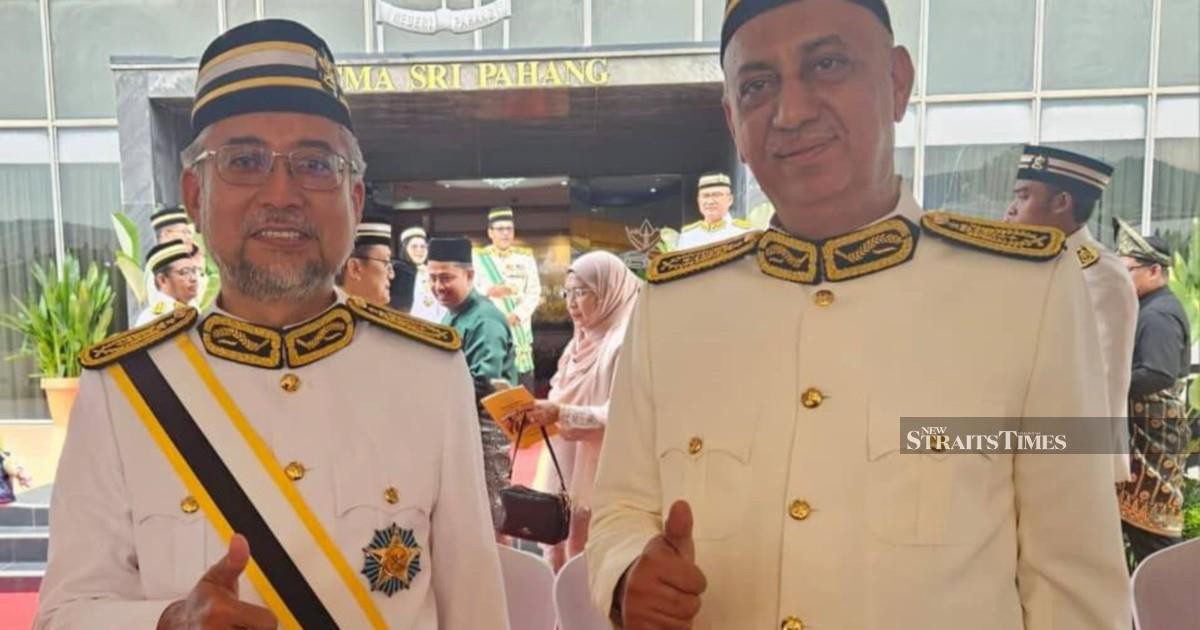
Two state assemblymen from Bersatu in Pahang have thrown their weight behind Menteri Besar Datuk Seri Wan Rosdy Wan Ismail, announcing their continued backing for his administration as the state heads towards the 16th general election. The move comes as Pahang's political landscape continues to evolve following the 2022 state polls, with coalition partners seeking to solidify their positions within the Perikatan Nasional-led government.
The pledges of loyalty represent an attempt to consolidate support within the state assembly ahead of what is expected to be a closely contested electoral cycle. Such public declarations of backing are common political manoeuvres in Malaysian state politics, particularly when coalition governments seek to demonstrate internal unity and discourage potential defections that could destabilise the administration. The statements underscore the importance Bersatu places on maintaining its foothold in Pahang's governance structures.
Wan Rosdy's tenure as Menteri Besar has been marked by efforts to balance the interests of multiple coalition partners while advancing the state's development agenda. His administration has had to navigate the complexities of leading a state government where no single party holds an overwhelming majority, requiring constant coalition management and consensus-building among diverse political interests. The Bersatu assemblymen's public show of support serves to reinforce the stability of this carefully balanced arrangement.
Pahang's political dynamics have shifted considerably since the 2018 election that brought Pakatan Harapan to federal power. The state subsequently became a battleground where competing coalitions competed for influence, eventually resulting in the current Perikatan Nasional administration taking charge. Understanding the state's electoral trajectory requires recognising how individual assemblymen have navigated these shifting alliances, with some switching parties or coalitions to align with perceived winning political formations.
The timing of such loyalty declarations often signals efforts to preempt potential party-hopping by other assemblymen or to consolidate backing before negotiations begin on candidate selection for the next election. In Malaysian state politics, the period between elections witnesses considerable manoeuvring as politicians position themselves for nomination, with public statements of support serving as both genuine expressions of political conviction and strategic positioning tools. These declarations can influence internal party dynamics and affect the distribution of political patronage and resources.
For Bersatu specifically, maintaining strength in Pahang remains strategically important given the party's broader ambitions within Perikatan Nasional. The party has worked to carve out a distinct political identity since its formation, and state-level performance significantly impacts its national standing within coalition negotiations. Demonstrating cohesion and internal discipline through assemblymen's public backing strengthens Bersatu's hand in discussions about cabinet positions, government contracts, and resource allocation.
The implications for Pahang's administration extend beyond simple factional management. A government that can count on assured backing from its component parties can pursue longer-term policy initiatives without constant fear of collapse due to defections. This stability theoretically allows for more strategic planning on economic development, infrastructure, and social services. Conversely, perceived instability can deter investor confidence and complicate efforts to implement medium-term development programmes that require sustained political commitment.
From a broader Southeast Asian perspective, Malaysia's state politics remain highly personalised around individual leaders and coalition dynamics. Unlike systems with more institutionalised party structures, Malaysian state governments often depend on managing personalities and factional interests within parties. The Pahang situation illustrates how regional politicians navigate these complexities, balancing loyalty to party leadership, coalition obligations, personal political ambitions, and constituent interests. Understanding such dynamics proves essential for observers tracking political developments across the broader region.
The statement also reflects evolving patterns in how Malaysian political parties maintain discipline and project unity. Bersatu has faced its own internal challenges regarding cohesion and member discipline since its establishment. Public pledges of support from key assemblymen serve partly as corrective mechanisms, signalling to the broader party membership the expectations regarding loyalty and appropriate political conduct. Such signals matter in managing internal party politics and deterring those who might consider jumping to rival formations.
Looking ahead to the 16th state election, such preliminary positioning will likely intensify as various coalitions prepare for what many analysts expect to be a competitive contest. The groundwork laid now through loyalty declarations and coalition solidarity efforts will shape the political landscape as election season approaches. These early statements from Pahang's Bersatu assemblymen can be read as opening moves in a chess game that will unfold over months of candidate selection, alliance negotiations, and campaign preparation.
Wan Rosdy's administration will benefit from any perception of unity and stability, particularly as it implements policies on economic development and infrastructure. Whether such solidarity endures until polling day will depend on larger political currents, electoral mathematics, and how effectively the coalition manages competing interests within its ranks. For now, the public backing from Bersatu assemblymen provides both immediate reassurance to the Menteri Besar and strategic positioning for the party as it prepares for the electoral cycle ahead.

