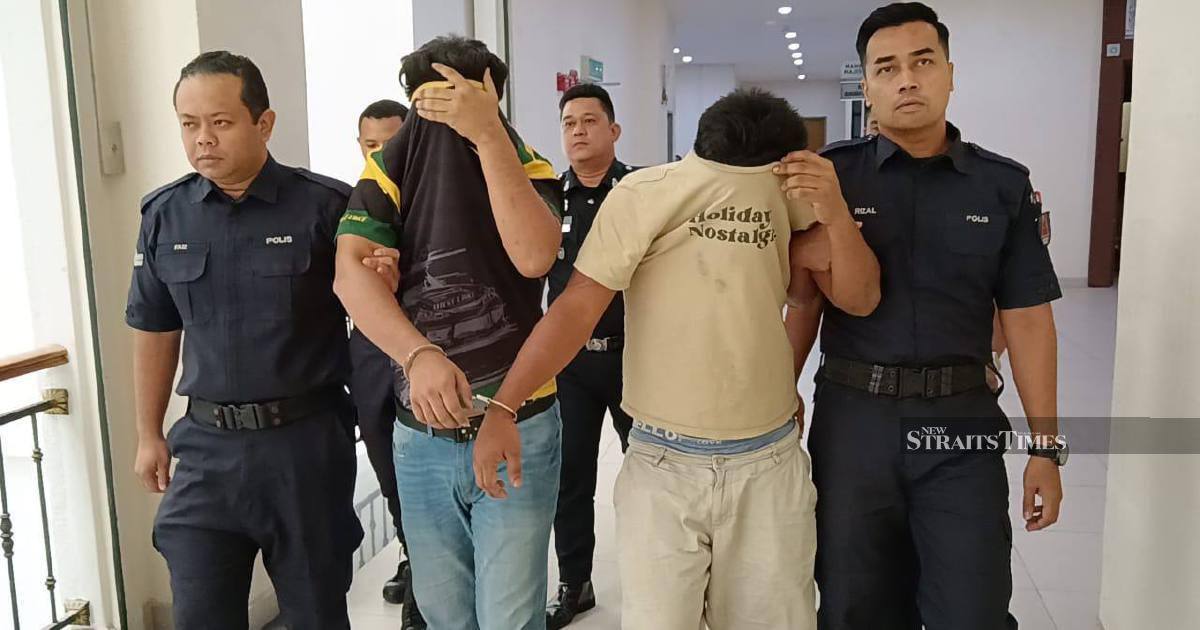
Two Rohingya men, both registered with the United Nations High Commissioner for Refugees, faced criminal charges today in connection with a coordinated series of residential burglaries that have plagued the Muar district in recent months. The men appeared before the Magistrate's Court, where they were formally charged in relation to the spate of break-ins that authorities say have targeted homes across the locality.
The prosecution of these individuals comes amid growing concerns about property crime in the district and highlights the complex intersection of refugee populations and law enforcement in Malaysia. The UNHCR cardholders' involvement in the burglary ring has raised questions about refugee integration and the effectiveness of community policing measures designed to prevent crime within displaced populations.
Muar district, located in Johor, has experienced a notable uptick in residential robberies over the past several months. Residents have reported targeted break-ins at homes during both daytime and evening hours, with thieves seeking cash, jewellery, and household electronics. The pattern of incidents prompted police to intensify investigations and deploy additional resources to identify and apprehend the perpetrators responsible for the coordinated thefts.
Rohingya refugees have been present in Malaysia for decades, with significant populations concentrated in urban centres including Kuala Lumpur, Selangor, and Johor. While the vast majority of Rohingya remain law-abiding community members, occasional criminal cases involving members of the refugee population attract heightened attention and can reinforce negative stereotypes. The Rohingya face documented vulnerabilities including limited access to formal employment, restricted educational opportunities, and precarious living conditions that critics argue can sometimes contribute to criminal involvement.
The UNHCR, which maintains a registration system for refugees in Malaysia, provides cardholders with basic documentation and limited recognition by international bodies. However, these cards do not grant refugees legal status or employment authorization under Malaysian law. Many cardholders struggle with marginalisation and economic hardship, although criminal activity remains statistically uncommon within the population.
Police investigations into the break-in series involved coordination between district officers and specialised units tasked with solving property crimes. Detectives gathered evidence, reviewed CCTV footage from affected residences, and conducted interviews with witnesses who provided descriptions and details of the incidents. The identification and arrest of these individuals concludes a significant portion of the investigation, though authorities have indicated that further inquiries may continue.
For residents in Muar district, the charges represent a measure of relief following months of security concerns and property loss. Community members have expressed frustration over the impact on neighbourhood safety and home security confidence. Local residents associations had previously called for enhanced police patrols and improved street lighting in vulnerable areas to deter criminal activity.
The case underscores broader challenges facing Malaysian law enforcement in addressing transnational crime, refugee management, and community safety. As populations become increasingly diverse, police must balance effective crime prevention with sensitivity towards vulnerable groups and the risk of collective punishment or discrimination based on nationality or refugee status. Integration programmes and crime prevention initiatives that engage refugee communities constructively remain important tools for fostering positive relations.
The proceedings in the Magistrate's Court will determine the admissibility of evidence and set the timeline for further hearings. Depending on the severity of the charges, the case may eventually proceed to a higher court. The individuals have the right to legal representation and to contest the allegations brought against them.
This case arrives at a time when broader questions about refugee policy, community integration, and social cohesion remain prominent in Malaysian public discourse. Authorities and civil society organisations continue to explore frameworks that strengthen refugee access to livelihood opportunities while maintaining public order and community safety. Addressing root causes of crime, including poverty and lack of formal employment pathways, remains essential to breaking cycles of marginalisation that occasionally lead to criminal behaviour.

