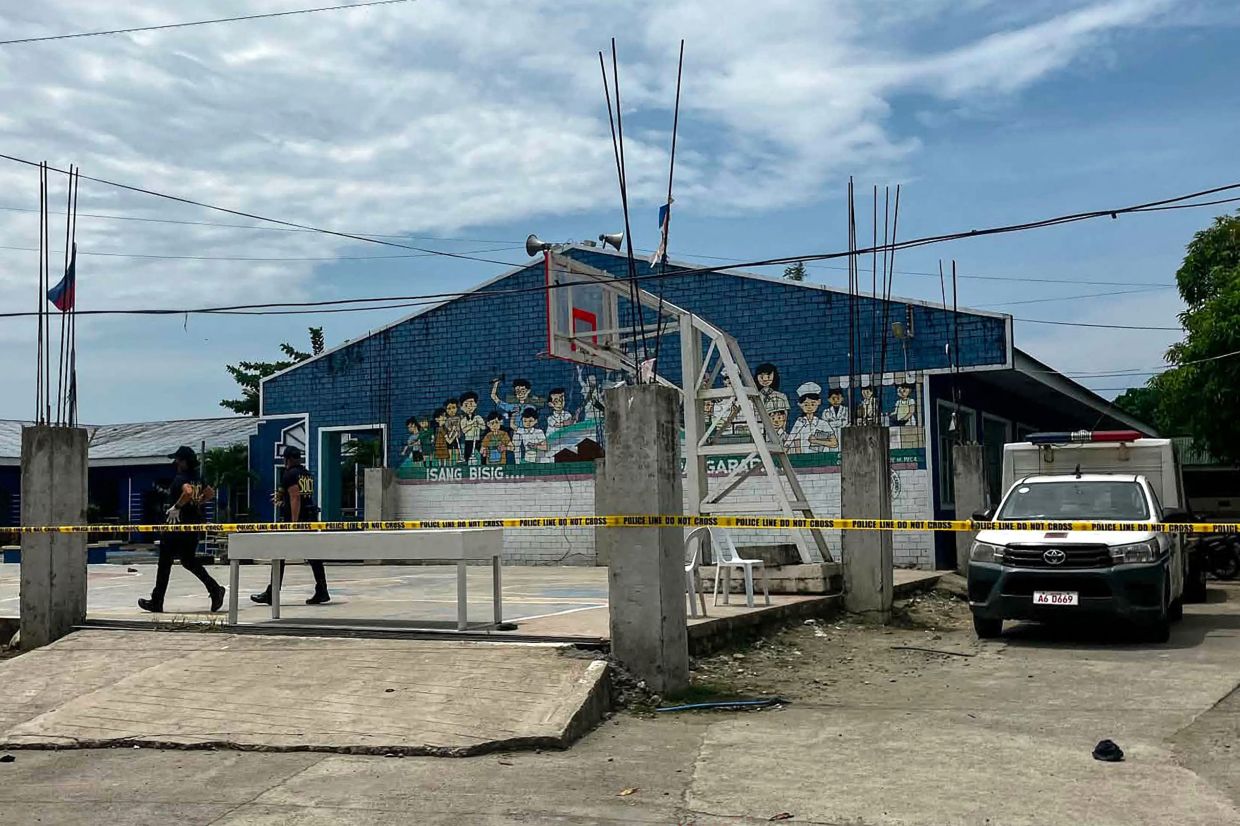
A shocking incident of gun violence has gripped the Philippines after two students, aged 14 and 15, stormed into San Jose National High School in Tacloban city on Monday morning and opened fire, leaving three of their classmates dead and seven others wounded. The shooting, which unfolded during school hours at the government-run institution serving more than 1,500 pupils, has sent shockwaves through the nation and reignited concerns about school safety and youth violence in the Southeast Asian nation.
Both suspects were apprehended following the mid-morning rampage, with one taken into custody at the school itself while the second fled and subsequently found shelter in a nearby residence. Local residents alerted police to the fleeing gunman's whereabouts, enabling officers to locate and arrest him before he could cause further harm. Regional police chief Brig. Gen. Jason Capoy revealed during questioning that the two close friends claimed they had been subjected to bullying within the school environment, though he offered no further specifics regarding the nature or extent of the harassment they had endured.
The circumstances surrounding how the firearms reached the school campus point to significant lapses in security protocols. One suspect obtained a 9 millimetre pistol from his aunt, a police officer, while the second secured a calibre 38 revolver through undisclosed means. Crucially, Capoy noted that the school's security arrangements proved inadequate, with only a single guard stationed to monitor multiple entry and exit points across the campus. This skeletal security presence allowed the armed teenagers to slip onto the grounds undetected, a critical vulnerability that has now come under intense scrutiny.
The shooting itself unfolded in a manner that underscored the terror experienced by students trapped on campus. Surveillance footage and eyewitness accounts reveal that after firing upon students in an initial classroom, the suspects pursued fleeing pupils into a second location, forcing them to scatter in panic. Police recovered approximately 40 shell casings at the scene, indicating sustained gunfire across the campus. Video recordings shared online capture the harrowing reality of the attack: students crouched beneath desks, screaming and crying as shots rang out nearby, with some desperately calling their mothers while others fled in visible terror through school corridors.
Authorities have confirmed that the majority of those killed and wounded were female students, though the exact identities and ages of the victims remain subject to ongoing investigation. Neither suspect possessed a prior criminal record, suggesting the attack came without obvious warning signs that might have alerted school administrators or law enforcement to potential danger. The weapons procurement also raises troubling questions about oversight within the nation's law enforcement community, as the aunt who provided one of the firearms is now herself under investigation for her role in enabling the tragedy.
President Ferdinand Marcos Jr. has ordered a comprehensive investigation into the incident and has instructed law enforcement agencies to enhance security measures across schools, workplaces, and public gathering spaces throughout the country. Communications Undersecretary Claire Castro conveyed the president's dismay at the shooting, acknowledging the profound grief and fear affecting the victims' families and the broader school community. This directive reflects mounting pressure on the administration to demonstrate tangible progress in preventing future incidents of this magnitude.
The legal treatment of the two suspects presents a complex challenge within the Philippine justice system. Both will be transferred to government welfare officers following their interrogation, as their minor status precludes standard criminal prosecution in most circumstances. Notably, the 14-year-old suspect may benefit from near-automatic exemption from criminal liability under a 2006 Philippine law establishing 15 as the minimum age for criminal responsibility. Even for the 15-year-old, prosecution requires that authorities establish the suspect possessed clear awareness of the criminal act and comprehended its consequences, a legal threshold that sometimes proves difficult to satisfy in cases involving adolescent offenders.
While firearms-related crimes remain disturbingly common throughout the Philippines, driven substantially by the circulation of unlicensed weapons and weak gun control enforcement, school shooting incidents remain comparatively uncommon. This relative rarity makes Monday's tragedy all the more shocking to a public unaccustomed to mass casualty events occurring within educational institutions. The shooting represents only the second major incident of its kind in recent memory, following a 2022 attack at a prestigious university near Manila where a gunman killed three people, including a former municipal mayor, in a targeted act of vengeance before his capture.
The incident raises uncomfortable questions about the intersection of youth mental health, bullying, and access to lethal weapons in Philippine society. While the suspects' claims of bullying require careful investigation and verification, the assertion highlights a troubling pattern observed in school violence globally, where social ostracism and peer rejection sometimes precede violent outbursts among adolescents. Education officials and mental health professionals will likely face renewed calls to implement comprehensive anti-bullying programmes and establish support systems for struggling students, even as debate continues regarding appropriate security measures that protect schools without creating fortress-like environments that undermine their educational mission.
The national police have appealed to the public to maintain composure and assist authorities by providing information pertaining to the investigation. This request reflects broader concerns about potential contagion effects, where widely publicised incidents of school violence occasionally inspire copycat attacks in vulnerable communities. As the investigation progresses and details emerge about the suspects' backgrounds, motivations, and access to weapons, policymakers will face mounting pressure to address systemic vulnerabilities that allowed two minors to transform a school day into a scene of bloodshed and trauma.