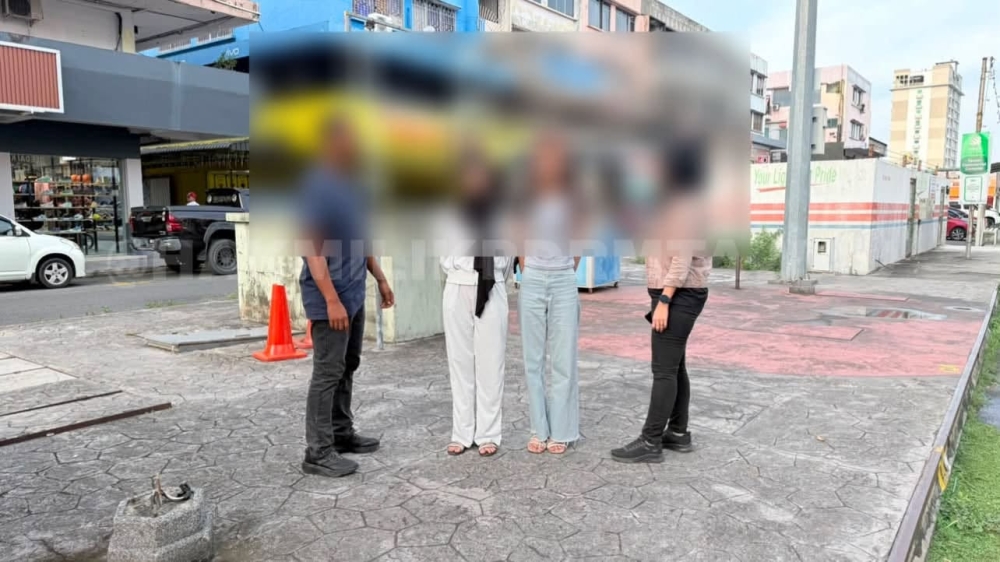
A late-night dinner outing turned violent in Tawau when two women became embroiled in a physical altercation at a restaurant in the Bandar Fajar area, prompting police to make arrests and launch an investigation into the incident. The confrontation, which occurred on July 13, has drawn attention to safety concerns in public dining establishments across the Sabah coastal town, a region that has seen occasional reports of public disturbances in recent months.
The Tawau police have detained both women in connection with the brawl, signalling an official response to what appears to have been a serious physical confrontation rather than a minor disagreement. While initial reports remain sparse on the exact trigger for the dispute, the decision to arrest both individuals suggests that authorities determined sufficient evidence of mutual involvement in the violence. The restaurant, located in one of Bandar Fajar's busier commercial sections, would have hosted other diners at the time, potentially affecting multiple patrons.
Public venues across Sabah have been focal points for community interaction and informal gathering spaces, particularly for evening social activities. The Tawau district, as a major commercial and fishing hub in eastern Sabah, experiences considerable foot traffic through its restaurants and entertainment outlets. Incidents of violence in such settings can have broader implications for public confidence in safety during leisure activities, which form an essential part of social life in Malaysian towns.
The involvement of law enforcement in restaurant-based incidents reflects established procedures for handling public order disturbances. Police protocols typically require officers to assess the severity of altercations, determine whether injuries occurred, and identify any weapons involved. In cases where both parties have engaged in physical contact, authorities often proceed with arrests to allow for proper investigation and to preserve evidence. The decision to formally charge both women indicates that investigating officers viewed the incident as serious enough to warrant formal proceedings rather than mediation or warnings.
Community responses to such incidents often highlight broader concerns about personal safety in public spaces. Restaurants and dining establishments serve multiple functions in Malaysian society beyond mere food service; they are venues where families gather, business transactions occur, and social networks strengthen. When violence erupts in these spaces, it can generate anxiety among regular patrons and affect business operations. Establishments in Bandar Fajar, which cater to diverse clientele including workers, traders, and tourists, face particular responsibility for maintaining safe environments.
The timing of the incident during evening hours, when restaurants typically operate at peak capacity, would have increased the likelihood of witnesses and potential involvement of management or security personnel. Restaurant staff often find themselves in difficult positions when altercations occur, needing to balance de-escalation efforts with personal safety and protection of other customers. The extent to which the establishment's management was involved in reporting the incident to police remains part of the investigation.
Tawau's position as Sabah's primary east coast trading centre means it attracts visitors from surrounding districts and neighbouring Brunei, creating a transient population that may not be bound by established community norms. This demographic diversity, while economically beneficial, can occasionally contribute to misunderstandings or conflicts between unfamiliar parties. Social tensions, whether rooted in personal disputes, territorial claims, or other grievances, occasionally manifest in public venues where alcohol consumption or crowded conditions can serve as accelerants.
The investigation's progression will determine whether charges proceed under criminal statutes relating to assault or whether alternative resolutions emerge through the court system. Malaysian law permits several pathways for handling such cases, including prosecution for voluntarily causing hurt under Section 337 of the Penal Code or more serious charges if injuries warrant such action. The outcome will likely depend on medical evidence, witness statements, and any CCTV footage the restaurant may possess.
Beyond the individual circumstances, the incident underscores persistent questions about conflict resolution mechanisms in Malaysian society. While formal law enforcement remains the baseline response, community and business leaders in Tawau have opportunities to promote dialogue and safety protocols that might prevent similar incidents. Training for restaurant personnel on recognising escalating tensions and implementing de-escalation techniques represents one potential avenue for improvement.
For Tawau residents and business operators, the arrest serves as a reminder that public spaces require collective vigilance. The restaurant incident, though isolated, reflects the reality that disputes occasionally migrate from private settings into commercial environments where they affect uninvolved parties. Moving forward, attention to environmental design, staffing practices, and community engagement may contribute to reducing such disturbances. The case also illustrates how swift police response and investigation can establish accountability, a mechanism essential for maintaining public order and citizen confidence in the justice system across Sabah.

