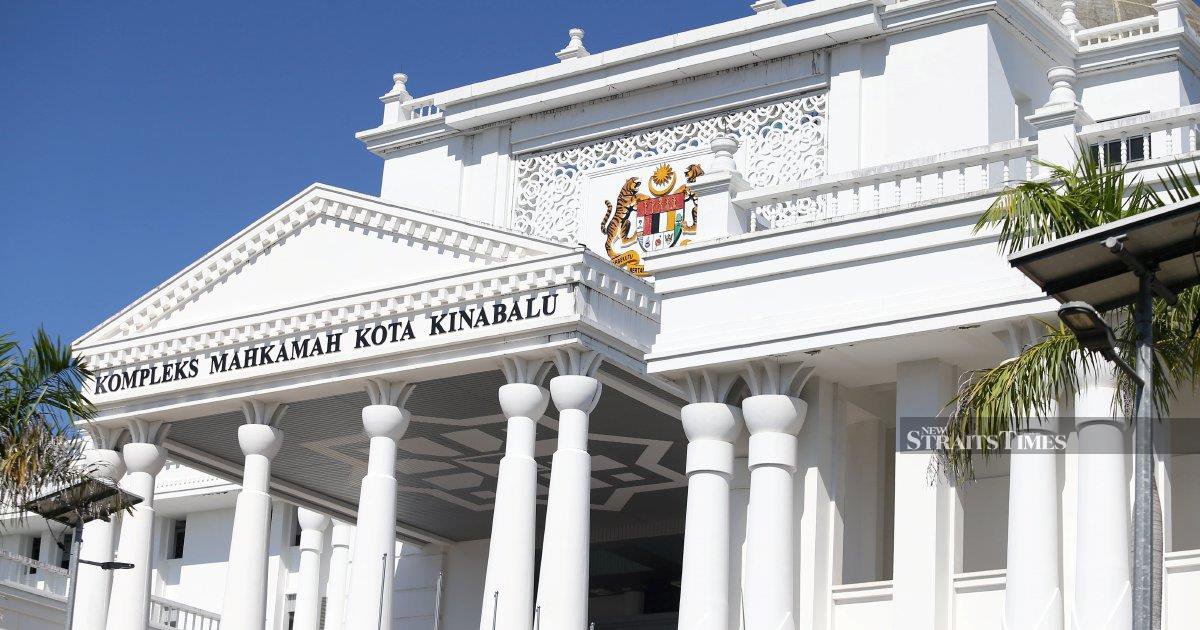
A Sessions Court in Kota Kinabalu has formally charged two women with conspiracy to defraud following their recent arrest in connection with an alleged traditional healing scheme that targeted vulnerable victims. The pair faced three separate counts of criminal conspiracy, each count alleging fraudulent intent against female complainants. The formal proceedings mark the completion of the investigation phase and signals the prosecution's confidence in its evidence base.
Traditional healing fraud continues to pose a persistent concern across Malaysia and Southeast Asia, particularly affecting individuals seeking alternative remedies or those desperate for solutions to medical or personal difficulties. Such schemes typically exploit cultural beliefs and the trust people place in traditional practitioners, making victims reluctant to report cases due to embarrassment or shame. The visibility of this prosecution in Sabah's state capital demonstrates law enforcement's commitment to cracking down on these offences, though experts acknowledge that many cases remain unreported.
The specificity of charging three counts separately, rather than consolidating charges, suggests the prosecution identified distinct fraudulent transactions or interactions. This approach allows courts to assess the pattern and sophistication of the alleged scheme while giving the judiciary flexibility in sentencing. Each count carries its own potential penalty, and the structure of charges often indicates whether the offences involved premeditation or escalating deception tactics against the same or different victims.
Criminal conspiracy charges represent a substantial escalation beyond simple fraud allegations. Prosecutors must demonstrate that the accused not only intended to commit the underlying crime but actively agreed to do so and took steps to further that agreement. This threshold reflects the seriousness with which Malaysian courts treat coordinated deception, particularly when multiple victims are involved. The fact that authorities pursued conspiracy charges indicates they likely identified clear communication or coordination between the two accused.
Victims of healing scams frequently report being subjected to emotional manipulation, claims of supernatural ailments, or statements that only continuous treatment can resolve their conditions. Such tactics create psychological dependency and encourage repeat payments. The women targeted in this case may have been led to believe they faced serious spiritual or health crises requiring expensive interventions. Understanding these manipulation techniques has become increasingly important for public awareness campaigns across the region.
Sabah, as with other Malaysian states, has witnessed periodic crackdowns on fraudulent healing practitioners operating without proper qualifications. The line between legitimate traditional medicine and outright fraud remains contentious, with some practitioners operating in grey areas where they make vague health claims that are difficult to refute or substantiate. This particular case apparently crossed into clearly fraudulent territory, prompting law enforcement intervention at the earliest appropriate stage.
The arrest and subsequent charging of these women sends a signal to potential operators of similar schemes that authorities take such offences seriously. However, the relatively low public profile of such cases compared to major commercial fraud or organised crime suggests these investigations often proceed quietly. The court proceedings in Kota Kinabalu will likely attract local media attention, but regional awareness of the dangers remains inconsistent across Malaysia and Brunei.
From a broader perspective, the prevalence of healing scams reflects gaps in health literacy and regulatory oversight across Southeast Asia. Many individuals, particularly those in more rural areas or with limited access to formal healthcare, remain vulnerable to promises of miraculous cures. The scammers exploit genuine frustration with conventional medicine's limitations while capitalising on cultural respect for traditional knowledge systems. This dynamic ensures that such schemes will likely persist despite enforcement efforts.
The Sessions Court proceedings will now move into the next phases, including pleas, trial preparation, or potential negotiations depending on how the accused respond to charges. The evidence presented during trial will likely include testimony from the three complainants, potentially financial records demonstrating payment flows, and communications between the accused and victims. Such documentation helps distinguish intentional deception from mere professional disputes or differences in expectations about treatment outcomes.
Malaysian authorities and consumer protection bodies have increasingly emphasised the importance of public vigilance regarding healing scams. Recommended precautions include verifying credentials with relevant regulatory bodies, avoiding practitioners who make absolute cure guarantees, and seeking second opinions from qualified medical professionals. For Malaysian communities, particularly those valuing traditional healing approaches, distinguishing between legitimate practitioners and fraudsters requires awareness of common warning signs and established reporting mechanisms.
The resolution of this Kota Kinabalu case will contribute to jurisprudence around healing fraud prosecutions in Malaysian courts, potentially influencing how similar cases are charged and adjudicated going forward. Should the accused be convicted, sentencing will likely reflect the number of victims, financial amounts involved, and any evidence of deliberate predation on particularly vulnerable individuals. The case also underscores the importance of victims coming forward, as their reports enable law enforcement to intervene before additional people fall victim to the same operators.
Looking ahead, stronger regulatory frameworks for traditional healing practitioners and enhanced public education about scam prevention remain priorities for consumer protection authorities across the region. The Kota Kinabalu prosecution exemplifies how existing criminal law provisions can address healing scams, though some experts argue that sector-specific regulations might provide more effective deterrence. For now, the formal charging of these two women represents progress in holding perpetrators accountable for exploiting vulnerable individuals through fraudulent traditional healing claims.

