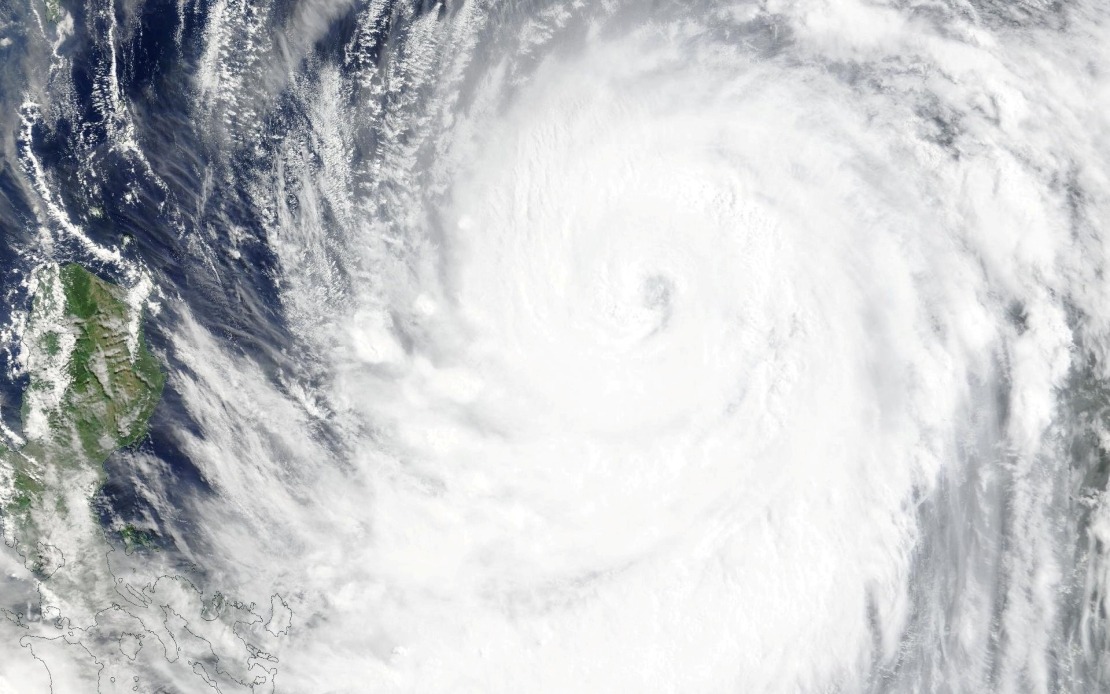
Taiwan's Central Weather Bureau issued a maritime alert on Thursday afternoon as Typhoon Bavi, classified as the ninth tropical cyclone of the year, continued intensifying while tracking toward the island nation. Forecasters anticipated that a land warning would follow early Friday as the system drew closer to Taiwan's coastline. The meteorological authority expanded its advisory to cover vulnerable waters off the northeastern and southeastern portions of Taiwan, along with offshore territories including Orchid Island and Green Island, as well as the strategically important Bashi Channel that separates Taiwan from the Philippines.
At the time of the announcement, Bavi was positioned southeast of Eluanbi, Taiwan's southernmost geographical point, maintaining a northwesterly trajectory across the Western Pacific. The typhoon had already developed into a formidable weather system, with sustained maximum winds near its centre reaching 51 metres per second. More concerning for coastal communities were the extreme gusts, which meteorologists recorded at 63 metres per second, indicating the potential for significant structural damage and dangerous conditions across exposed areas.
Meteorological projections suggested that Bavi would continue advancing northwest at a moderate forward speed of between 15 and 20 kilometres per hour. Rather than making a direct hit on Taiwan's population centres, the system was forecast to pass north of the main island, though this trajectory would still expose Taiwan to the typhoon's outer bands of intense weather. Depending on subtle shifts in the storm's path and intensity fluctuations, forecasters estimated that Taiwan would experience impacts consistent with either a lower-category strong typhoon or the upper range of a moderate typhoon classification, both scenarios capable of producing significant disruptions to daily life and economic activity.
The approaching tempest had already begun affecting regional travel infrastructure before the official warnings were issued. Airlines operating between Taiwan and Okinawa, a key transportation corridor in East Asia, cancelled the vast majority of scheduled flights in anticipation of deteriorating conditions. Beyond these regional services, several long-haul international routes serving Taiwan's international airports were also suspended as carriers implemented precautionary measures to protect aircraft and passengers. The cascade effect of these cancellations disrupted travel plans for thousands of passengers with business and leisure commitments across the region.
Beyond aviation, Taiwan's maritime transport network faced equally serious constraints. Ferry operators suspended multiple regular routes connecting Taiwan to outlying islands and regional destinations, leaving residents and commuters reliant on these services with limited mobility options. Simultaneously, authorities placed mountain roads and highland routes across Taiwan on high alert status, restricting access and warning drivers of treacherous conditions anticipated once the typhoon's outer precipitation bands reached the island. The cumulative effect of these precautionary measures represented a significant operational and economic impact on Taiwan's transportation sector during the critical summer travel season.
For Malaysian and Southeast Asian readers, Typhoon Bavi's approach to Taiwan underscores the region's vulnerability to seasonal tropical cyclones. Taiwan's location at the intersection of major typhoon tracks means the island experiences regular encounters with western Pacific weather systems, making disaster preparedness an integral component of governance and infrastructure planning. The rapid issuance of warnings and coordinated suspension of transport services reflects institutional learning from previous typhoon seasons and investments in meteorological forecasting capabilities that benefit the entire region.
The economic implications of typhoon disruptions extend beyond Taiwan's borders. Many Malaysian businesses maintain supply chain operations in Taiwan, and transportation interruptions can create ripple effects across Southeast Asian manufacturing and logistics networks. Additionally, Taiwan's role as a major regional air and maritime hub means that flight cancellations and port closures have downstream consequences for regional connectivity and trade flows affecting countries throughout the subregion.
Typhoon Bavi's emergence as the ninth named storm of the year positioned 2020 on track for above-average tropical cyclone activity in the Western Pacific basin. Climate scientists have noted that warming ocean temperatures correlate with more intense typhoon development, a trend that carries implications for long-term infrastructure planning and climate adaptation strategies across vulnerable Asian economies. Taiwan's experience managing frequent typhoons provides valuable lessons for other Southeast Asian nations confronting similar meteorological hazards.
The warning system activation also highlighted the importance of cross-border information sharing in tropical cyclone monitoring. Taiwan's meteorological agency coordinates with international weather services to track developing systems and issue timely guidance to mariners and coastal communities. For Malaysia and other ASEAN states, such cooperative frameworks strengthen regional resilience to natural disasters and contribute to more effective emergency response coordination when major weather systems affect multiple jurisdictions.
As Bavi continued its approach, Taiwan's disaster management authorities prepared emergency response protocols, positioning relief resources and coordinating with local governments to ensure rapid recovery efforts once the typhoon passed. The comprehensive preparation underway reflected recognition that tropical cyclones, while predictable in their seasonal occurrence, remain inherently variable in their precise impacts, making robust contingency planning essential for minimising casualties and economic losses across vulnerable regions.

