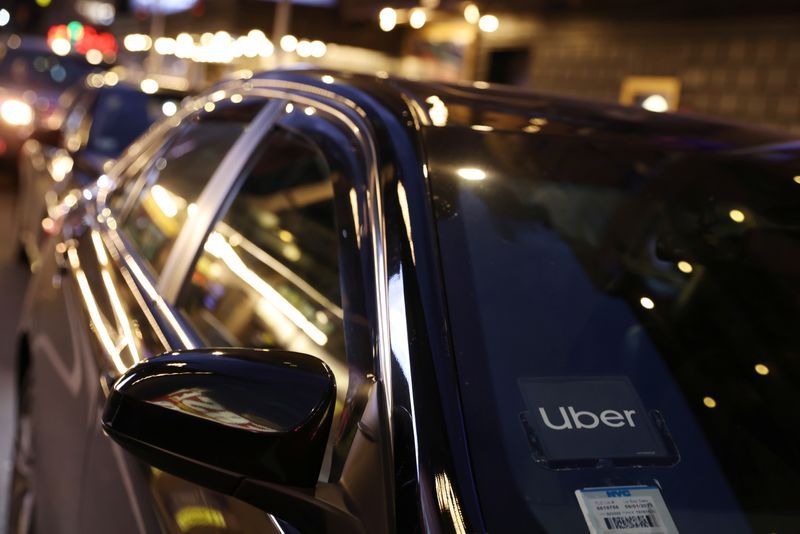
Uber Technologies has become the subject of a significant shareholder lawsuit filed in San Francisco federal court, with investors from the Police and Fire Retirement System of the City of Detroit alleging that the ride-sharing company's leadership repeatedly disregarded warnings about systemic compliance lapses. The suit, brought on behalf of shareholders, targets the board and management for what plaintiffs characterise as a pattern of cutting corners on regulatory obligations, a negligence that allegedly contributed to thousands of legal claims from passengers who experienced sexual misconduct by drivers.
The complaint centres on an extended period during which internal and external advisors repeatedly flagged concerns about Uber's inadequate response to reports of sexual assault and harassment perpetrated by platform operators. According to the lawsuit documents, board members were specifically informed that fewer than 40 percent of users felt confident the company prioritised passenger safety—a damning metric that underscores the company's reputational struggles. Despite these warnings, the plaintiffs argue, directors failed to implement sufficient remedial measures or hold management accountable for the company's protective shortcomings.
The scope of the litigation extends well beyond sexual misconduct allegations. The complaint references enforcement actions launched by the federal government, which accused Uber of systematically denying service to passengers with disabilities, including those utilising service animals or collapsible wheelchairs. Additionally, authorities alleged the company engaged in deceptive billing and cancellation practices that disadvantaged consumers. These regulatory actions represent a broader pattern of non-compliance that shareholders attribute to boardroom oversight failures rather than isolated operational errors.
Central to the shareholder claim is the argument that Uber represents a "serial compliance offender" whose brand reputation has suffered irreversible damage from negative media coverage and public perception of safety failures. The lawsuit frames this reputational harm as a direct consequence of governance failures—the board's unwillingness or inability to establish and enforce adequate compliance protocols. For Southeast Asian readers familiar with Uber's operations in the region, these allegations raise questions about corporate accountability and the adequacy of oversight mechanisms across different jurisdictions.
Dara Khosrowshahi, Uber's chief executive, stands among the named defendants in this derivative lawsuit. The plaintiffs acknowledge that Khosrowshahi has taken a less confrontational approach to regulatory boundaries than his predecessor, former CEO Travis Kalanick, whose tenure was marked by aggressive attempts to sidestep regulations. However, the suit contends that Khosrowshahi's tenure of nearly nine years has still been characterised by insufficient investment in compliance infrastructure and continued reluctance to prioritise safety measures that might constrain the platform's growth trajectory.
The scale of sexual misconduct litigation facing Uber is striking. As of June 1, the company confronted approximately 3,571 active lawsuits within the San Francisco federal court system alone, each involving allegations of sexual misconduct by drivers. This concentration of related claims in a single jurisdiction reflects the volume of incidents that passengers have experienced and the legal exposure the company has accumulated. The consolidation of these cases under coordinated litigation management further underscores the systematic nature of the underlying problem.
Shareholder derivative lawsuits represent a specific enforcement mechanism through which investors seek to compel company leadership to address governance failures and reimburse the corporation for damages caused by breaches of fiduciary duty. In this instance, the Detroit pension fund and its associated shareholders are seeking to hold Uber's directors personally responsible for financial losses and reputational damage that the company has suffered as a consequence of alleged mismanagement. The legal theory rests on the premise that directors, as fiduciaries, bear an obligation to ensure the company operates within legal and regulatory boundaries and maintains adequate safety protocols.
Recent developments suggest that Uber's approach to compliance challenges remains contentious. Earlier this month, Uber and its competitor Lyft jointly sued New York City authorities to prevent implementation of new legislation designed to accelerate the removal of drivers with safety concerns. The lawsuit positions driver removal protections as an impediment to operational efficiency, a stance that critics interpret as prioritising business convenience over passenger safety—precisely the allegation at the heart of the shareholder complaint.
Uber's financial performance has deteriorated in tandem with these compliance controversies. The company's share price declined more than 25 percent from its peak on September 22 of the preceding year, a decline attributable to accumulated regulatory pressures, litigation costs, and investor concerns about governance structures. For multinational investors and regional stakeholders evaluating Uber's Southeast Asian operations—where regulatory environments remain in flux and consumer protection standards continue evolving—these governance failures and their financial consequences carry particular significance. The lawsuit outcome may establish precedents for director accountability in technology companies operating across multiple jurisdictions with varying regulatory frameworks, a development with implications for how transport-network and gig-economy platforms operate throughout the region.