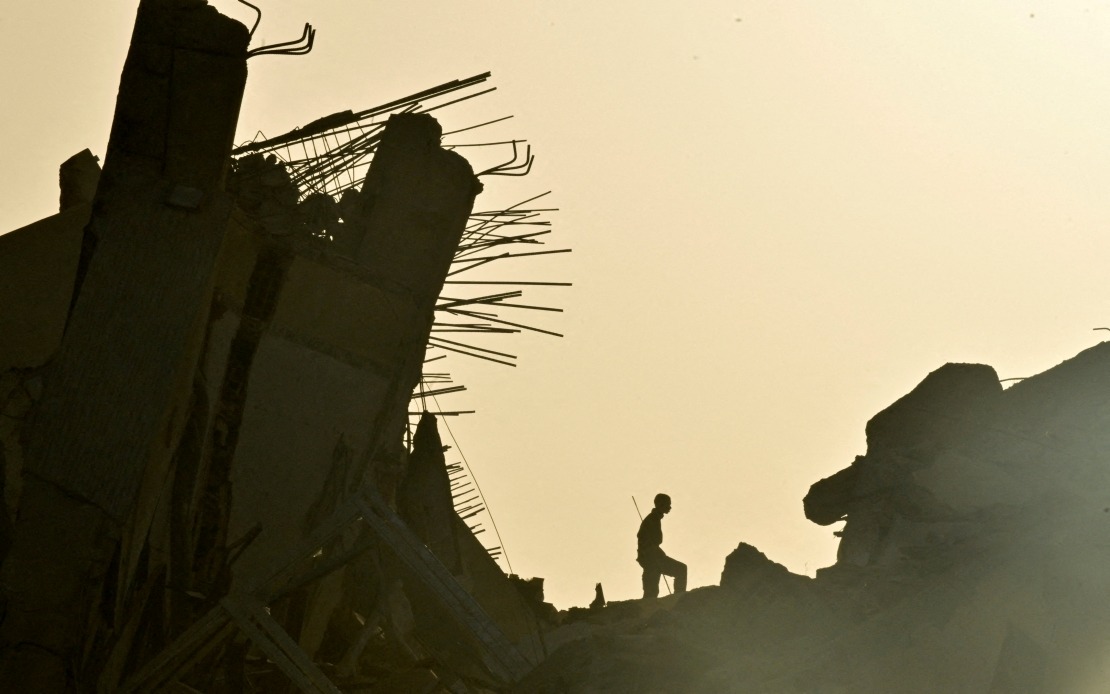
The Disasters Emergency Committee, an alliance of established British charitable organisations, has mobilised significant public support following devastating earthquakes in Venezuela. The appeal, which launched on Wednesday, has already exceeded £10 million (approximately US$13.4 million) in donations, demonstrating substantial commitment from UK donors toward humanitarian assistance in the South American nation. This rapid response highlights the capacity of coordinated charitable action to generate meaningful resources for international disaster relief.
The scale of fundraising achieved within such a compressed timeframe underscores growing public awareness about the humanitarian dimensions of natural disasters and the effectiveness of established disaster relief mechanisms. When earthquakes strike densely populated regions, the immediate aftermath requires substantial financial resources to address acute needs across shelter, water provision, food security, and emergency medical services. The DEC's coordinated approach pools resources from multiple organisations, enabling more efficient deployment of aid and reducing administrative duplication.
Actress and International Rescue Committee ambassador Adjoa Andoh, who fronted the campaign's launch, emphasised the transformative impact of public generosity. Her statement reflected recognition that individual donors, even in geographically distant nations, can meaningfully influence the trajectory of recovery efforts in disaster zones. The narrative framing of disaster relief appeals has evolved to highlight not merely the scale of donations but their concrete translation into improved survival outcomes and dignified assistance for displaced populations.
For Southeast Asian observers, the UK response offers relevant lessons regarding disaster preparedness and relief coordination. Malaysia and neighbouring countries face similar seismic risks, particularly given the region's position along active tectonic zones. The mechanisms developed by established British charities—rapid assessment, coordinated logistics, transparent fund deployment—provide models that regional organisations might adapt. Furthermore, the ability of UK charities to mobilise public funds within days suggests that building public trust in disaster relief mechanisms, through consistent performance and transparent reporting, generates capacity for rapid response when crises emerge.
The DEC's constituent organisations and their local partners continue intensive fieldwork across Venezuela's affected zones. Ground-level coordination with local entities proves essential for reaching vulnerable populations who may lack access to formal aid distribution channels. In regions experiencing infrastructure damage, local knowledge and established community networks often determine whether assistance reaches those with greatest need. The emphasis on partnership with local organisations represents a shift toward more contextually sensitive approaches that respect local agency rather than imposing externally designed solutions.
The scope of needs following major earthquakes typically expands as initial emergency phases give way to longer-term recovery requirements. Early donations typically address immediate survival needs, yet sustained reconstruction of shelter, restoration of medical facilities, and psychological support for traumatised populations requires extended fundraising campaigns. The initial £10 million target represents an important milestone, yet experience from previous major earthquakes suggests that comprehensive recovery demands ongoing financial commitment throughout extended recovery phases.
From a regional humanitarian perspective, the Venezuelan earthquake response demonstrates how international charitable networks function across geographical distance. For developing economies in Southeast Asia with more limited domestic disaster relief funding, understanding mechanisms through which international support mobilises becomes strategically relevant. The UK model relies on well-established charitable infrastructure, public trust in aid organisations, and regulatory frameworks that ensure transparent fund deployment. Building equivalent capacity in regional contexts requires sustained investment in institutional development.
The British public's demonstrated willingness to contribute substantially to disaster relief in distant nations reflects humanitarian values transcending national boundaries. This pattern recurs across major earthquakes, tsunamis, and humanitarian crises, suggesting that when appeals are professionally presented and organisational credibility is established, public generosity emerges reliably. For countries managing their own disaster preparedness frameworks, understanding these dynamics proves valuable in securing international support during major emergencies.
Looking forward, the Venezuela earthquake response will likely generate valuable data regarding optimal deployment of emergency funding in post-disaster contexts. Documenting how donated resources translate into specific outcomes—numbers of people sheltered, medical cases treated, water systems restored—enables future refinements to relief architecture. This knowledge, accumulated across successive major disasters, gradually improves humanity's collective capacity to respond rapidly and effectively when natural disasters strike vulnerable populations.
The £10 million milestone reached by UK charities represents genuine achievement, yet the broader significance lies in demonstrating that coordinated international action can generate substantial resources for humanitarian purposes. For Malaysia and other Southeast Asian nations, the UK experience reinforces that investment in transparent charitable infrastructure and public education about disaster preparedness creates conditions for rapid, effective response when earthquakes and other natural disasters inevitably strike.

