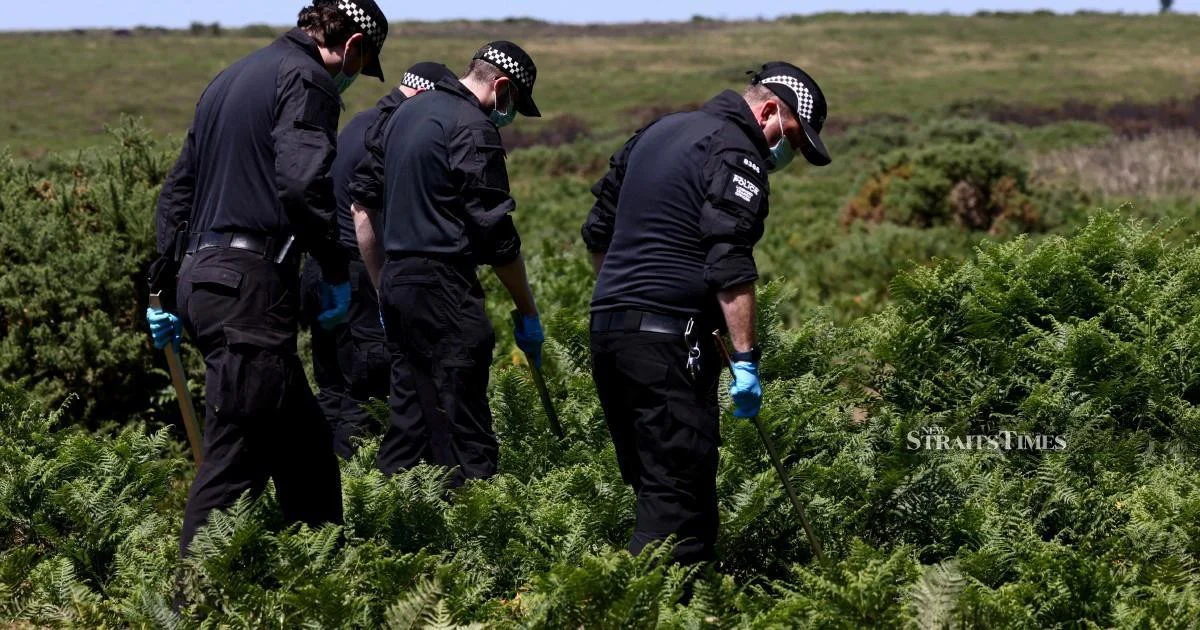
Law enforcement authorities in the United Kingdom have taken a major step in their investigation into the death of Ann Widdecombe, a prominent figure in British politics who served as a Conservative government minister. On Saturday, police in South Yorkshire confirmed that they had arrested a 28-year-old male suspect on suspicion of murder in connection with the former politician's death, a development that comes after an extensive inquiry into the circumstances surrounding her passing.
Widdecombe's prominence in British political circles made her case one of considerable public interest. During her time in government, she held significant ministerial positions and became known for her distinctive presence in Parliament and her forthright contributions to policy debates. Her career spanned multiple decades and touched upon several important areas of governance, earning her recognition both within her party and among the broader public. The nature of her death has therefore drawn substantial media attention and public concern across the United Kingdom.
The arrest in South Yorkshire represents concrete progress in what police have been treating as a serious criminal investigation. The decision to move forward with an arrest suggests that investigators have accumulated sufficient evidence to pursue formal charges and proceed with legal proceedings. This development will likely intensify scrutiny of the circumstances that led to Widdecombe's death and may prompt further revelations as the case moves through the criminal justice system.
For Malaysian readers and those following international news, this case illustrates the intensity with which British authorities investigate crimes involving prominent public figures. The arrest also demonstrates how high-profile cases can capture the attention of law enforcement and the media across an extended period, reflecting the significant standing that senior politicians maintain within their societies even after leaving office.
The investigation's progression from initial inquiry to formal arrest indicates that police gathered witness statements, forensic evidence, or other material deemed sufficient to justify apprehending the suspect. In the UK system, such arrests must be supported by reasonable grounds for suspicion, a threshold that suggests investigators had accumulated meaningful evidence before taking this action. The 28-year-old suspect will now face questioning by police, during which officers will seek to establish facts relevant to their investigation.
Widdecombe's political legacy includes her advocacy on various legislative matters during her time in government, and her death has prompted reflection on her contributions to British public life. Many of her parliamentary colleagues and other figures in British politics have acknowledged her role in shaping policy discussions, particularly on matters where she held ministerial responsibility. Her passing represents a loss to those who knew her professionally and personally throughout her career.
The broader implications of this case extend beyond the immediate investigation. High-profile arrests related to crimes against former government officials can prompt discussions about security arrangements for prominent figures and their families. Such cases also highlight how criminal investigations must balance thoroughness with the swift pursuit of justice, requiring investigators to collect and analyse evidence carefully before proceeding to arrest and prosecution stages.
As the case develops, British courts will determine whether sufficient evidence exists to support charges and, if the case proceeds to trial, will hear arguments from both prosecution and defence. The legal process that follows the arrest will unfold according to UK criminal procedure, which emphasises both the protection of the accused's rights and the victims' need for justice. Media coverage of the investigation will continue, though journalists must observe reporting restrictions designed to protect the presumption of innocence.
For international observers, including those in Southeast Asia monitoring developments in Commonwealth nations, this case demonstrates how UK police forces handle major criminal investigations involving nationally significant figures. The professionalism demonstrated by South Yorkshire Police in progressing the investigation to the point of arrest reflects the resources and expertise dedicated to serious crimes. The case also underscores the international dimension of crime reporting in an age when news of arrests and investigations spreads rapidly across continents through digital media platforms.

