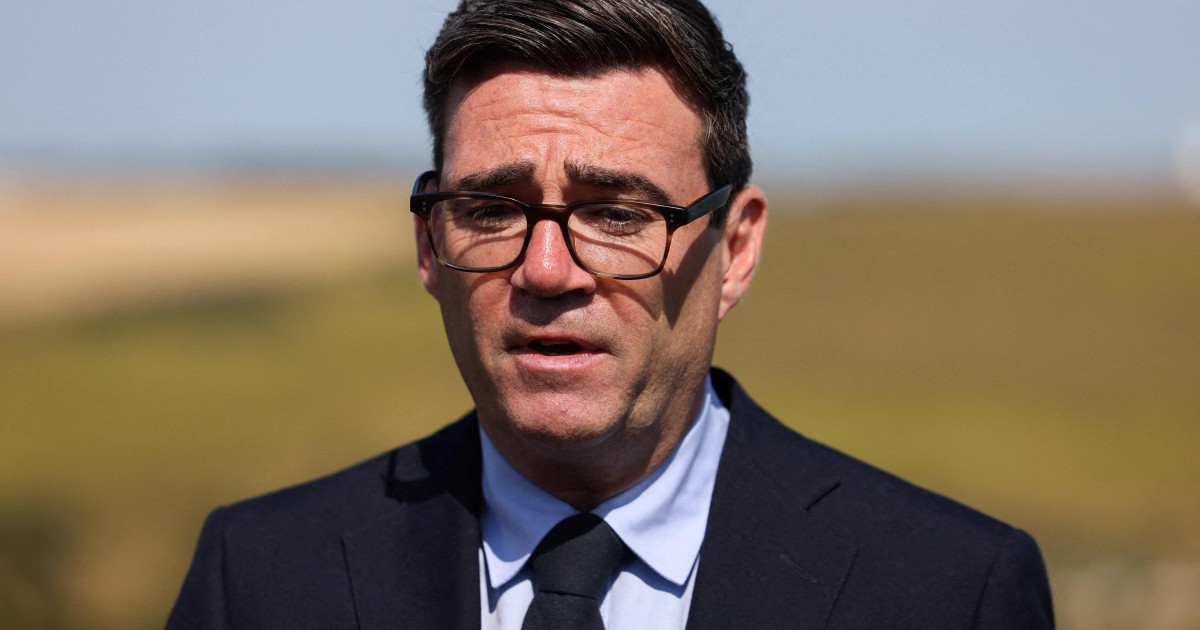
Prime Minister Andy Burnham's government is actively considering whether to establish a formal public inquiry into the British operations and conduct of convicted sex offender Jeffrey Epstein, according to an announcement by Victims Minister Alex Davies-Jones on the BBC. The revelation signals a potential shift towards greater transparency regarding Epstein's presence and activities within the United Kingdom, a matter that has long concerned victims' advocates and lawmakers seeking accountability.
The consideration of a public inquiry represents a significant development in how the British government addresses historical sexual abuse cases involving prominent international figures. Such inquiries, when formally established, typically have the power to compel testimony, access confidential documents, and produce comprehensive findings that can inform future policy and institutional reforms. The decision to explore this possibility indicates growing political pressure to investigate the full scope of Epstein's operations outside the United States, where he served a previous conviction and where his activities have been most extensively documented and prosecuted.
Epstein, who died in custody in 2019 while awaiting trial on federal sex trafficking charges in New York, maintained considerable wealth and international connections across multiple continents. The focus on his UK operations suggests that British authorities and the government wish to establish whether safeguarding systems in Britain adequately protected potential victims and whether any institutional failures occurred. The announcement comes amid broader societal reckoning with sexual abuse scandals affecting multiple sectors, from entertainment and sport to politics and corporate institutions.
The victims minister's public statement reflects the current administration's stated commitment to supporting survivors of sexual abuse and ensuring that perpetrators face appropriate scrutiny. In recent years, several nations have established public inquiries into high-profile cases of sexual exploitation, recognising that such transparent investigations can help identify systemic vulnerabilities and institutional blind spots that previously allowed predators to operate with relative impunity. For survivors in the UK who may have had contact with Epstein or his associates, the prospect of an official inquiry offers potential vindication and an opportunity for their experiences to be formally documented.
The practical scope of such an inquiry would likely encompass Epstein's visits to Britain, his connections to British institutions and individuals, and any activities conducted under his direction while he was present in the country. Investigators would potentially examine whether any British officials, institutions or professionals inadvertently facilitated or overlooked concerning behaviour. The inquiry could also assess whether existing safeguarding procedures in relevant sectors—including educational institutions, social services, and financial services that may have interacted with Epstein—were adequate for identifying and reporting suspicious activity.
Establishing a full public inquiry would require careful consideration of several procedural and political factors. Such investigations typically demand substantial government resources, extend over multiple years, and involve complex coordination between various agencies and international partners. The Burnham government would need to balance the demand for accountability with practical considerations about timing, scope, and the likelihood of gathering comprehensive evidence given the passage of time and Epstein's death. International cooperation would likely be necessary, particularly with American authorities who have already conducted extensive investigations into Epstein's criminal operations.
For Malaysia and Southeast Asia, the consideration of a UK inquiry carries broader implications regarding how regional governments might approach similar cases involving international figures and transnational exploitation networks. As wealthy individuals move increasingly across borders, and as interconnected institutional failures become more apparent, governments across the region face pressure to conduct their own accountability measures. The UK's potential inquiry demonstrates how developed nations are responding to calls for transparency and systematic investigation into historical abuses involving powerful individuals with global reach.
The announcement also reflects evolving standards around victim support and institutional accountability in Commonwealth nations. Malaysia, as a Commonwealth member, has observed how peer nations address historical sexual abuse cases and may consider whether similar public inquiry mechanisms would serve survivor communities domestically. The UK precedent, should an inquiry proceed, could provide valuable lessons about investigative methodologies, victim engagement, and producing findings that meaningfully inform policy reform.
Davies-Jones's statement to the BBC indicates that the government is still in preliminary stages of deliberation rather than having made a final commitment. However, the public articulation of this consideration signals that the decision-making process is underway at senior levels. The minister's willingness to discuss the possibility publicly suggests that political conditions favour moving forward, though final determination would likely depend on further consultation with victims' groups, legal advisors, and relevant government departments.
The broader context includes Epstein's long history of evading meaningful consequences despite allegations spanning decades, culminating in his apparent suicide while imprisoned awaiting trial. A British public inquiry could provide some measure of closure and accountability within the UK system, even though Epstein himself is deceased. Such investigations often yield findings that implicate institutions and individuals still living, and can result in recommendations for legislative change and institutional reform that extend far beyond the original perpetrator.
As this deliberation continues within the British government, victims and their supporters will likely intensify calls for a formal inquiry to be established. The decision ultimately reflects broader questions about institutional responsibility, governmental transparency, and whether wealthy and internationally-connected individuals should face the same scrutiny and accountability as those with fewer resources and connections. The outcome of the UK's consideration could influence how other nations approach similar cases and whether public inquiries become a more standard response to historical abuse by international figures.

