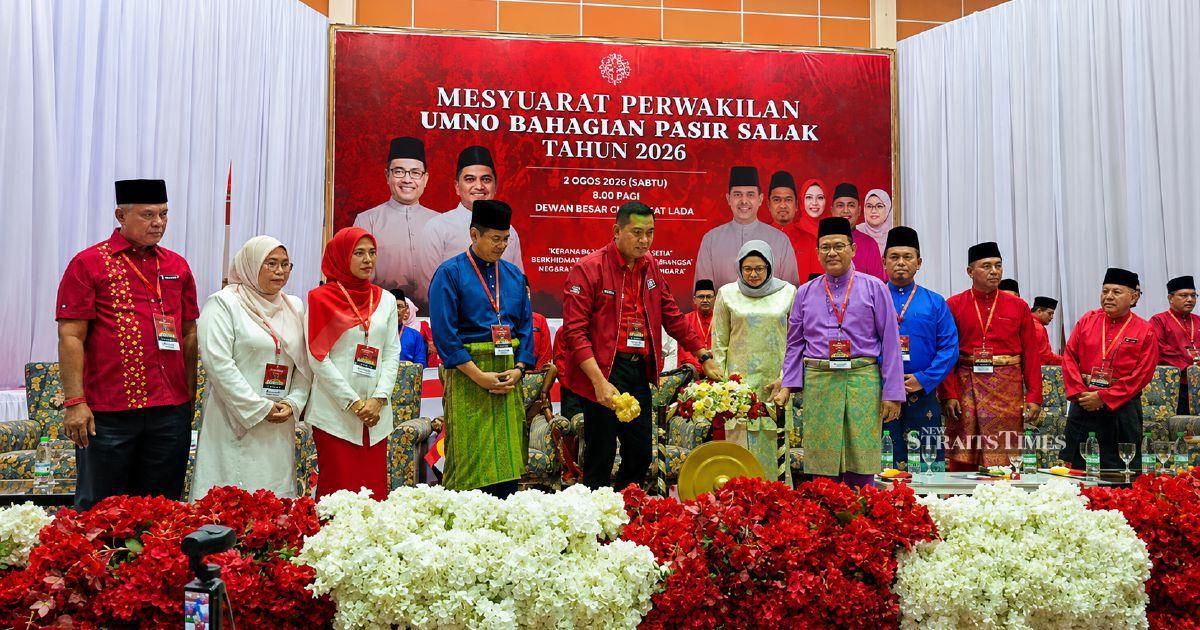
Umno's youth wing leader has thrown his weight behind grassroots party voices demanding consideration in how seats will be distributed following the broader coalition realignment between Barisan Nasional and Perikatan Nasional. Speaking in Pasir Salak, Datuk Dr Muhamad Akmal Saleh signalled that division-level leaders merit acknowledgement as discussions progress on the practical implementation of the political understanding between the two major coalitions.
The statement underscores emerging complexity within Umno as the party navigates its strategic positioning following its political alignment with Perikatan Nasional. While senior leadership has articulated the benefits of the arrangement at the national level, the real pressures mounting from divisional structures reveal the intricate factional dynamics that define modern Malaysian politics. Grassroots leaders control critical ground machinery necessary for electoral success, giving their concerns substantial weight in party deliberations.
Seat allocation disputes rank among the most contentious issues in Malaysian coalition politics, directly affecting the electoral prospects and survival of individual politicians. Divisions represent where party members maintain their constituencies, conduct grassroots organising, and cultivate local networks essential for election outcomes. When national leadership makes centralised decisions about seat distribution without adequate consultation, it risks alienating the very structures responsible for mobilising voters and delivering victory.
The Umno Youth chief's intervention suggests internal conversations are occurring behind formal channels, with grassroots leaders seeking assurances that their concerns will shape eventual arrangements. In Malaysian party politics, such statements often signal that leadership recognises potential dissatisfaction and is attempting to manage expectations while broader negotiations continue among top echelons. The willingness to publicly acknowledge divisions' perspectives carries diplomatic weight in reassuring lower-ranked members that their concerns matter.
The BN-PN political understanding represents a significant structural shift in Malaysia's coalition landscape, rebuilding bridges between Umno-led Barisan Nasional and the newer Perikatan Nasional grouping. Such alignments necessitate difficult conversations about seat-sharing formulas, which historically have triggered internal conflicts as parties reconcile competing territorial claims and member expectations. Previous similar realignments in Malaysian politics frequently generated grievances when implementation proceeded without adequate grassroots buy-in.
For Umno divisions, particularly in states where Perikatan Nasional maintains strong bases, seat negotiations carry existential implications. Divisions accustomed to contesting multiple parliamentary and state assembly seats face potential reductions if agreements favour Perikatan Nasional positioning. This explains the sensitivity around allocation frameworks and why experienced division leaders are vocalising concerns proactively rather than waiting for fait accompli announcements.
The intervention also reflects Umno Youth's role as a bridge between higher party hierarchy and younger, often more ideologically engaged members. Youth wings traditionally advocate for their generation's advancement opportunities, and seat allocation decisions significantly influence whether younger aspirants gain electoral platforms. Akmal's statements resonate with concerns that national-level deals might prioritise established figures while constraining opportunities for emerging talent.
Beyond immediate seat distributions, the broader BN-PN understanding carries implications for Malaysia's coalition architecture heading toward the next general election. How successfully leadership manages internal sensitivities while implementing strategic decisions will determine whether the realignment strengthens or destabilises participating parties. Failed coordination mechanisms have previously fractured coalitions or triggered mass defections when grassroots members felt excluded from significant decisions affecting their political futures.
For Malaysian and Southeast Asian observers, the evolution of this internal Umno discussion provides instructive lessons about coalition management in multi-party democracies. Thailand, Indonesia, and the Philippines each grapple with similar challenges when major coalitions restructure or when parties seek to merge mechanisms. The ability of leaders to balance centralised decision-making with genuine grassroots consultation determines whether such arrangements produce durable political stability or temporary arrangements vulnerable to collapse.
The Pasir Salak statement also indicates that divisions are not passively accepting top-down directives but actively engaging in political negotiations. This reflects maturation of party democracy within Umno, where membership structures increasingly demand accountability from national leadership on decisions affecting their interests. Whether formal consultation mechanisms will be established, or whether consensus eventually emerges through informal channels, remains unclear as negotiations progress.
Moving forward, the success of the BN-PN political understanding may ultimately hinge not on high-level agreements between party presidents and deputy presidents, but rather on whether divisional concerns about seat allocations receive genuine consideration in implementation frameworks. Leadership that fails to address legitimate grassroots concerns risks generating resentment that could undermine coalition cohesion during critical electoral periods. Conversely, demonstrating respect for divisional perspectives, even when final allocations disappoint some constituencies, helps maintain institutional loyalty and party unity.
The coming weeks and months will likely reveal whether Umno's top leadership institutionalises mechanisms for divisional input or proceeds with predetermined arrangements. Akmal's public acknowledgement of divisional voices suggests at minimum that formal disregard would now carry political costs. This subtle but significant shift in how coalition negotiations occur reflects broader changes in how Malaysian political parties balance traditional hierarchical structures with increasingly assertive grassroots demands for meaningful participation in decisions affecting their future.

