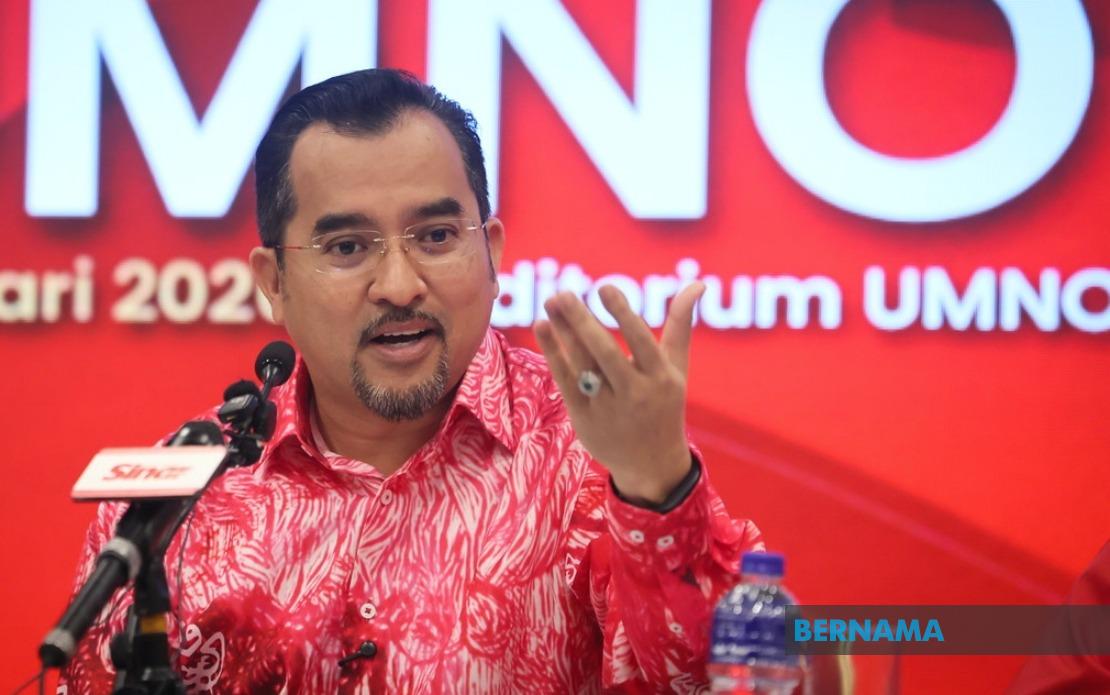
The departure of UMNO Supreme Council member Datuk Dr Mohd Puad Zarkashi has exposed significant fractures within Malaysia's largest Malay-Muslim party, revealing a bitter disagreement over candidate selection that touches on fundamental questions of meritocracy, nepotism and party discipline. According to UMNO secretary-general Datuk Dr Asyraf Wajdi Dusuki, Puad's resignation announcement on Facebook was directly precipitated by the party's refusal to nominate his son for the state seat of Rengit ahead of the Johor elections scheduled for July 11. The timing of this public rupture, occurring just days before nomination day on June 27, underscores the heightened tensions within UMNO as it mobilises for a crucial regional contest following the dissolution of the Johor State Legislative Assembly on June 1.
Ashraf Wajdi's detailed rebuttal, published through social media, provides a rare window into the behind-the-scenes negotiations that preceded Puad's exit. The secretary-general revealed that Puad had submitted extensive correspondence threatening both party departure and public criticism if the leadership did not accede to his demand for his son's nomination. This characterisation paints a picture of escalating pressure rather than a spontaneous resignation, suggesting that Puad had exhausted diplomatic channels before going public with his decision. The letter-writing campaign and explicit threats of defection reveal a negotiation strategy that ultimately failed, raising questions about what calculus led Puad to believe such leverage would prove effective within UMNO's power structure.
The substance of the dispute centres on a perennial tension within political parties throughout Southeast Asia: the balance between recognising potential in younger leaders and managing expectations from senior figures who have invested decades in party infrastructure. Asyraf Wajdi acknowledged that Puad's son possesses "considerable potential" and capacity for political development, yet insisted that party candidate selection must weigh numerous considerations beyond individual aptitude. This acknowledgement, rather than dismissing the younger Puad outright, suggests the decision was made on grounds of broader strategic calculations about the Rengit seat's electoral prospects, voter demographics, or the existing candidate's strength, rather than on any judgment that the son lacked basic qualifications. The secretary-general's nuanced positioning may reflect an attempt to avoid antagonising other party figures who might sympathise with Puad's frustration while simultaneously defending the party's ultimate decision.
Asyraf Wajdi's disclosure that Puad had employed similar tactics during the tenure of Datuk Seri Najib Tun Razak adds a historical dimension to the current dispute. At that time, Puad threatened to abandon UMNO unless renominated as Member of Parliament for Batu Pahat, a demand that evidently succeeded in securing his party's endorsement. This previous capitulation to pressure may well have encouraged Puad to believe that escalating his current demands would likewise prove successful, particularly given his seniority and Supreme Council status. The contrast between past success and present failure suggests either a shift in the leadership's willingness to accommodate senior figures' personal demands, or a recognition that acceding to such pressure on candidate selection would establish a dangerous precedent. For Malaysian and regional observers, this pattern illustrates how intra-party negotiations can shape electoral outcomes when senior figures leverage their status to secure nominations for family members.
The secretary-general's response firmly articulated UMNO's institutional position that the party is not a hereditary organisation designed to transmit power and opportunities through family lines. This declaration carries significance not merely as a defence against Puad's specific grievance but as a statement of principle intended for other party members who might harbour similar expectations. By explicitly rejecting the notion that UMNO functions as a vehicle for dynastic advancement, Asyraf Wajdi attempted to reset expectations about the party's meritocratic standards, even as Malaysia's political culture has become increasingly marked by political families occupying multiple positions. The statement's emphasis on the party's broader struggle for race, religion and nation positioned individual disappointment as insufficiently weighty to justify threats against the organisation.
Puad's allegations regarding palace involvement in Johor UMNO operations and the dissolution of the state assembly drew swift dismissal from Asyraf Wajdi, who characterised such claims as slander. These allegations, though swiftly rebutted, touch on a sensitive dimension of Malaysian politics: the constitutional role of state rulers and the actual or perceived influence they exercise over party and government decision-making. Within the Johor context specifically, the relationship between palace and party has historically been closely interwoven, making such allegations inherently plausible to observers of regional politics. The secretary-general's forceful denial, however, suggests that public allegations of palace-directed party decisions are considered sufficiently damaging to merit an emphatic response rather than dismissal.
The electoral calendar adds urgency and strategic importance to this internal party dispute. With nomination day set for June 27 and polling just two weeks later on July 11, the timing of Puad's exit could complicate UMNO's campaign efforts in his bailiwick if he chooses to contest as an independent or support an opposition candidate. His departure removes not merely a Supreme Council member but a figure with roots in Johor politics and prior parliamentary experience. Whether Puad's resignation signals the beginning of further defections or represents an isolated incident of dissatisfaction within UMNO's ranks will become apparent during the campaign period and through voting patterns in affected constituencies.
The broader context of Malaysian party politics reveals that such candidate selection disputes reflect structural challenges facing established parties as they balance competing demands for representation and leadership opportunity. Younger party members seeking rapid advancement, mid-career politicians seeking secure positions, and senior figures seeking to secure opportunities for family members create competing pressures that no selection mechanism can fully satisfy. The fact that such a dispute reached public resolution through social media, rather than being managed through back-channel discussions or internal party forums, indicates that both Puad and the party leadership believed their positions sufficiently entrenched to justify public airing of grievances.
For UMNO specifically, this incident arrives at a moment when the party faces broader questions about its political relevance and cohesion following electoral setbacks and internal schisms in recent years. The need to convince voters during the Johor campaign that the party remains united and focused on serving the electorate is complicated by public evidence of senior figures departing over candidate disputes. Whether the party can effectively neutralise the political impact of Puad's departure, or whether it becomes emblematic of deeper structural problems requiring address, will become clearer as Johor voters render their judgment on July 11.

