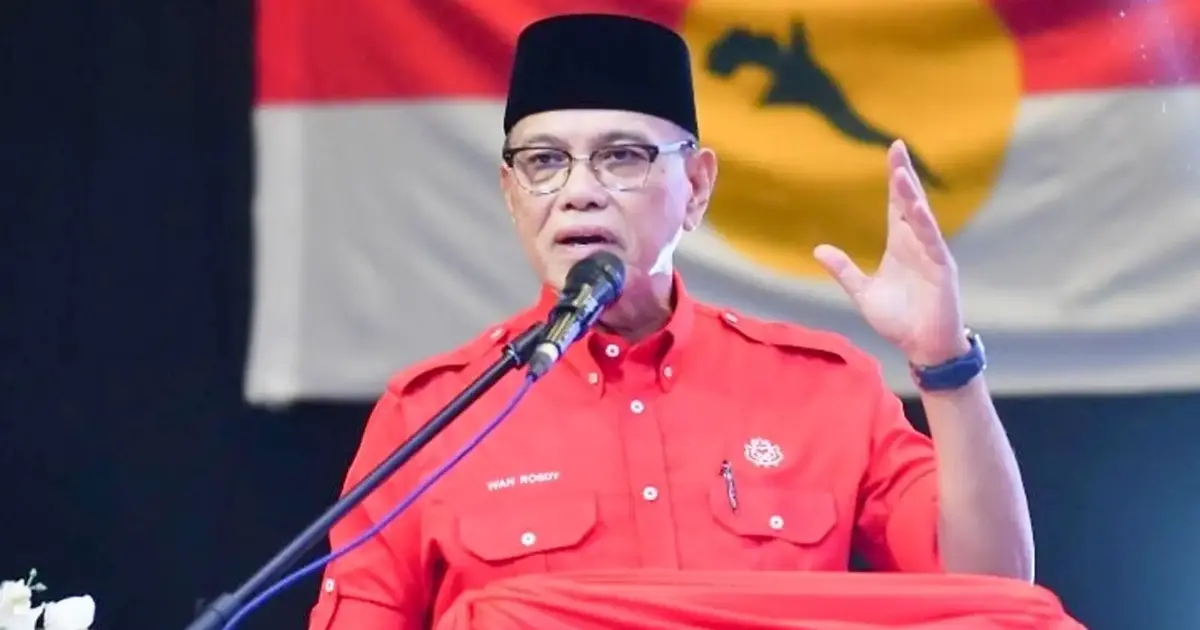
Senior Umno leadership has ruled out any immediate discussions with Perikatan Nasional regarding electoral cooperation for the sixteenth general election, with vice-president Wan Rosdy emphasizing that Barisan Nasional's current priorities lie elsewhere. The statement comes at a time of heightened political speculation about potential realignments ahead of what is expected to be a keenly contested national poll, but Wan Rosdy's remarks signal a measured approach from the ruling coalition's upper echelons.
Wan Rosdy made clear that consolidating the newly formed Negeri Sembilan government takes precedence over strategic negotiations with rival political entities. This consolidation phase is critical for Barisan Nasional, which has recently navigated through complex negotiations to form state-level administrations following the recent local electoral results. The emphasis on internal stability suggests that the coalition remains focused on demonstrating effective governance before pivoting toward broader electoral calculations.
The timing of this statement reflects ongoing tensions within Malaysia's fractious political landscape. Perikatan Nasional, which has grown into a formidable opposition force particularly following its strong performance in certain states, has long been viewed as a potential coalition partner by some within the political establishment, yet fundamental ideological and strategic differences have prevented serious dialogue. Umno's reluctance to initiate talks at this juncture indicates that the party leadership views any such engagement as premature and potentially destabilizing to its current positioning.
Negeri Sembilan's political dynamics offer crucial insights into why Wan Rosdy chose to emphasize state-level priorities. The state government's composition required delicate negotiations between multiple political stakeholders, and ensuring its stability over the coming months is essential for Barisan Nasional's broader credibility. Any perception of instability or fractious governance would undermine the coalition's claims to effective administration and could weaken its hand in national-level negotiations with other political entities.
The Umno vice-president's comments also reflect broader calculations about the party's electoral prospects. Umno and its coalition partners may well believe they can contest the general election on their own terms without requiring an alliance with Perikatan Nasional. This confidence stems partly from demographic shifts, redistributed electoral boundaries, and the coalition's continued control of federal institutions. Entering into negotiations from a position of perceived strength is strategically preferable to entering talks from a position of desperation.
For Malaysian observers tracking coalition politics, the statement provides clarity on the immediate trajectory. Rather than imminent grand alliances or dramatic political realignments, the near-term political calendar appears focused on state-level consolidation, administrative performance demonstration, and incremental strengthening of existing structures. This suggests a more gradual unfolding of pre-election politics than some had anticipated, allowing the current political configuration more time to bed in before fundamental questions about future partnerships are revisited.
The absence of talks also underscores the deep complications that would attend any serious negotiations between Barisan Nasional and Perikatan Nasional. These entities operate from substantially different ideological bases and have competing visions for Malaysia's future political trajectory. Moreover, each coalition has constituencies with fundamentally different expectations and policy priorities. Attempting to forge an alliance would require navigating these disparities, a task that appears unappetizing to current Umno leadership.
Wan Rosdy's positioning also carries implications for Perikatan Nasional itself. The statement essentially communicates to that coalition that Barisan Nasional sees no need to discuss partnership, at least not in the immediate timeframe. This may encourage Perikatan to develop alternative strategic approaches or strengthen its own organizational capabilities ahead of the general election. The message is clear: for now, Barisan Nasional intends to compete against Perikatan from its current position rather than absorb it into a broader coalition framework.
From a Southeast Asian perspective, Malaysia's coalition politics offer a case study in how multi-ethnic democracies manage competing political forces and shifting alignments. The deliberate pacing of negotiations and the emphasis on demonstrable governance success reflect mature political calculation. Rather than rushing into potentially destabilizing alliances, the approach favours stability and incremental development of political positioning.
Looking forward, Wan Rosdy's statement should be understood as a temporary position rather than an absolute foreclosure of future discussions. Political circumstances change rapidly, and electoral calculations may shift as the general election draws nearer. However, the current message from Barisan Nasional's leadership is unmistakable: the coalition will consolidate its existing advantages and build from its current foundation before contemplating major structural realignments with competitors.
The statement also reflects internal Umno dynamics, where the party remains focused on maintaining cohesion among its own cadre and ensuring that state-level governments deliver tangible results for citizens. This internal consolidation phase is viewed as prerequisite to any broader political manoeuvring. Only once Barisan Nasional has secured stable state administrations and demonstrated effective governance capacity will the party likely pivot toward serious discussions about national-level electoral arrangements.

