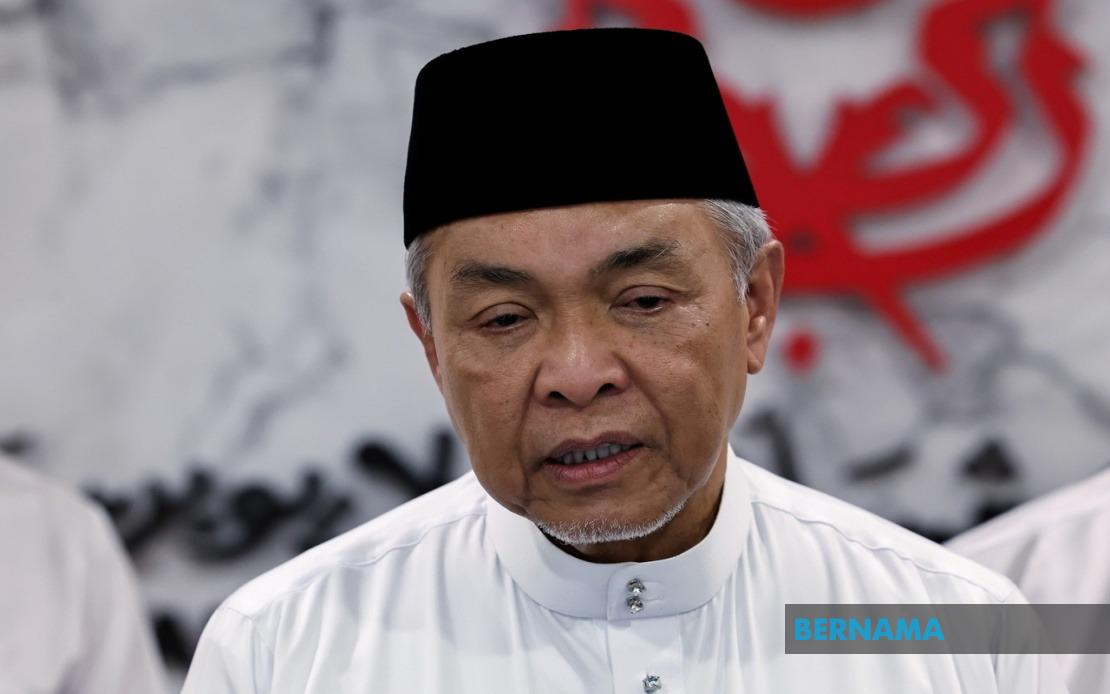
UMNO has signalled its intention to pursue formal coalition negotiations for the Melaka state election, though only after the state legislative assembly undergoes dissolution. The announcement from party president Datuk Seri Dr Ahmad Zahid Hamidi underscores a deliberate staging of discussions, distinguishing between the current phase of informal exploratory talks and the more structured engagement that will follow once the formal electoral machinery is set in motion.
The timing of this approach reflects standard political practice in Malaysian state elections, where parties typically await the dissolution of the assembly before commencing substantive coalition discussions. By positioning the negotiation process this way, UMNO appears to be maintaining flexibility whilst simultaneously demonstrating organizational readiness. The Deputy Prime Minister's remarks came during a media interaction on August 30, where he fielded questions regarding potential cooperation arrangements with other political entities, particularly Perikatan Nasional, for the upcoming state polls.
Central to UMNO's strategy will be the role of Melaka Chief Minister Datuk Seri Ab Rauf Yusoh, whom party leadership has delegated to spearhead the formal negotiation process. This decision places the Chief Minister at the forefront of coalition-building efforts, positioning him as the primary point of contact for any discussions with partner parties. Ahmad Zahid's confidence in Ab Rauf's capability to navigate these discussions reflects the political weight and negotiating experience the Chief Minister brings to the table, having already demonstrated his ability to manage Melaka's political landscape.
The distinction Ahmad Zahid made between informal and formal discussions carries significance for understanding how Malaysian political parties approach electoral cooperation. Currently, various backroom conversations may be occurring amongst party representatives at different levels, but these lack the binding nature and official sanction that formal negotiations would carry. Once the assembly is dissolved and campaigning frameworks are activated, these preliminary soundings will transition into structured discussions with clear mandates and negotiating parameters established by each party's leadership structures.
UMNO's internal preparation for the election has been comprehensive and methodical. The party president revealed that Melaka's political apparatus, operating through its dedicated campaign war room, has compiled substantial data on electoral dynamics, voter sentiment, and competitive positioning. This intelligence gathering exercise was presented to UMNO's Melaka Political Bureau before being escalated to the party's Supreme Council, the highest decision-making body, for detailed scrutiny and strategic consideration. Such layered deliberation suggests the party is taking the election seriously and views coalition decisions as consequential matters requiring buy-in across multiple organizational levels.
The reference to Perikatan Nasional as a potential coalition partner deserves particular attention for Malaysian readers tracking East Coast and national political developments. PN has emerged as a significant political force, particularly in states like Terengganu and Kelantan, and has been actively seeking electoral footholds in other regions. UMNO's willingness to discuss cooperation with PN, even on a preliminary basis, indicates recognition that PN represents a political reality that cannot be ignored in state-level electoral calculations. Whether such cooperation materializes will depend on alignment between the parties' broader strategic objectives and their respective power calculations.
For Melaka specifically, the electoral context involves complex considerations around ethnic composition, economic priorities, and governance performance. The state has experienced significant political volatility in recent years, with multiple leadership transitions and shifting coalition dynamics. Any arrangement UMNO negotiates will need to address not only internal party concerns but also the preferences and concerns of Melaka's diverse electorate, which includes substantial Malay-Muslim, Chinese, and Indian communities with distinct political interests and priorities.
The sequencing of these negotiations reflects awareness that premature or overly aggressive coalition posturing can alienate potential partners or create internal party tensions. By deferring formal discussions until after dissolution, UMNO preserves negotiating space whilst demonstrating operational readiness. This approach also allows time for market testing amongst party grassroots and component parties within any potential coalition, reducing the risk of endorsing an arrangement that lacks adequate organizational support.
From a broader Malaysian political perspective, the Melaka election will serve as a significant indicator of coalition dynamics ahead of any potential general election. How UMNO and other parties position themselves, which combinations prove viable or unviable, and what issues dominate campaigning will provide valuable signals about the evolving shape of Malaysian politics. The willingness to engage with PN alongside potential discussions with other partners suggests UMNO is pursuing a flexible coalition strategy rather than locking into exclusive arrangements prematurely.
The coming weeks will test whether these preliminary discussions yield substantive cooperation agreements. Ahmad Zahid's careful framing of the process suggests UMNO wants to appear serious and organized in its approach whilst maintaining strategic ambiguity about eventual outcomes. The formal discussions that will commence following assembly dissolution will determine whether Melaka's election becomes a site of UMNO-PN cooperation, traditional UMNO-led Barisan Nasional arrangements, or something novel reflecting Malaysia's increasingly fragmented political landscape. What remains certain is that UMNO recognizes maintaining electoral competitiveness in Melaka as essential to its broader political standing.

