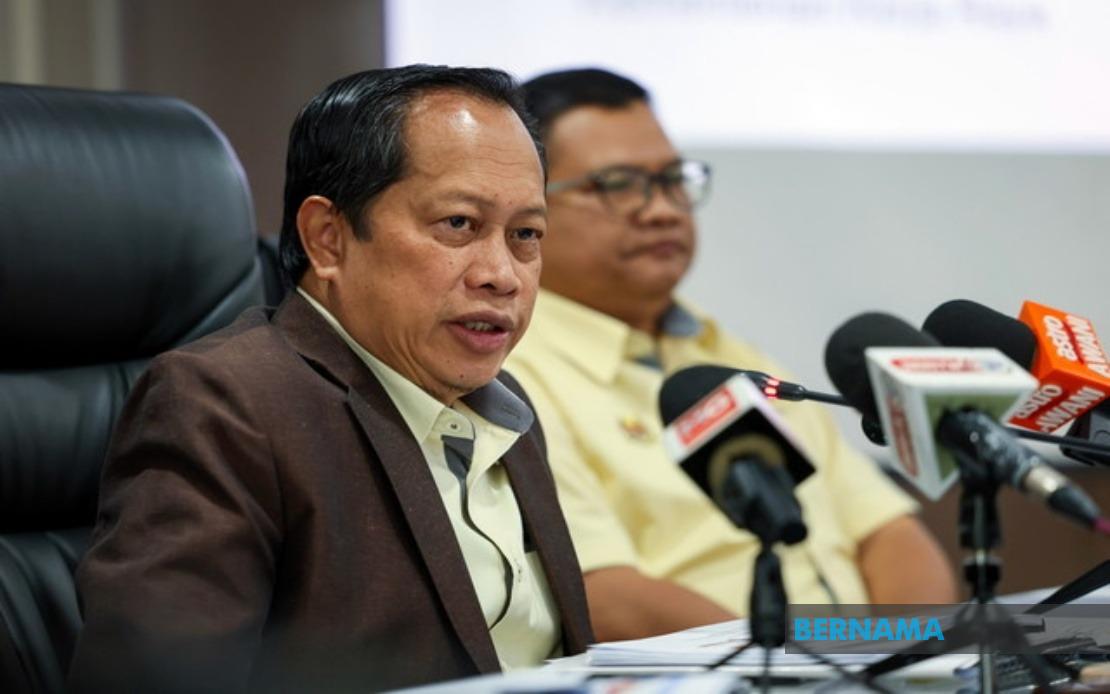
UMNO's top leadership will convene on August 28 to chart the party's course for the Melaka state election, with particular focus on whether the party will pursue coalition partnerships or contest the polls as an independent force. The gathering of UMNO's Supreme Council, to be presided over by party president Datuk Seri Dr Ahmad Zahid Hamidi, represents a crucial decision point for the party's electoral prospects in the state, where the political landscape has grown increasingly complex following the emergence of competing alliance scenarios.
According to UMNO Supreme Council member Datuk Seri Dr Ahmad Maslan, the August 28 meeting will serve as the platform for deliberating the party's strategic direction while simultaneously examining tactical approaches designed to secure Barisan Nasional's victory. The Deputy Works Minister's remarks underscore the significance of this gathering, positioning it as the definitive moment when UMNO's internal consensus will crystallize into formal policy. Currently, the party leadership has refrained from announcing a final determination, maintaining flexibility as various configuration options remain under active consideration.
The political environment in Melaka has become increasingly fluid, with competing proposals emanating from multiple quarters. Media coverage and pronouncements from various UMNO leaders in the state have generated substantial speculation regarding potential cooperation arrangements. Particularly, discussions have centered on two distinct scenarios: a partnership between Barisan Nasional and Pakatan Harapan, or alternatively, an alliance between Barisan Nasional and Perikatan Nasional. These competing options reflect the broader realignment occurring across Malaysian politics, where traditional coalitional boundaries have become permeable and subject to state-level negotiations.
Ahmad Maslan emphasized that any ultimate determination would require universal party compliance, signaling that UMNO's leadership expects disciplined adherence to whatever coalition formula emerges from the Supreme Council deliberations. This emphasis on party unity underscores awareness of potential internal tensions, particularly given that Melaka's political ecosystem has witnessed considerable flux and competing interests among local UMNO figures. The party's insistence on binding membership compliance reflects concerns about maintaining coherence during what could prove a contentious decision-making process.
The political calculus in Melaka carries broader implications for Malaysia's coalition architecture. The state government's current composition reflects the power-sharing arrangement established at the federal level following the 2022 general election, with Barisan Nasional controlling the majority after securing 21 of 28 state assembly seats in the 15th election. However, the state executive council incorporates Pakatan Harapan assemblymen, demonstrating how the Unity Government framework has extended into subnational governance structures. This arrangement has created an unusual political configuration where coalition partners simultaneously hold executive positions, a situation that requires careful management.
The timing of the August 28 decision becomes particularly significant given that the state government's term expires on December 31, meaning elections must be conducted within the coming months. This compressed timeframe leaves little room for extended deliberation once the Supreme Council renders its judgment, placing pressure on party machinery to execute whatever electoral strategy receives approval. The approaching deadline transforms the August meeting from a preliminary discussion into an effectively determinative forum where strategic options must be decisively closed off.
For Malaysian readers seeking to understand Melaka's political trajectory, the UMNO decision carries consequences extending beyond state-level representation. Melaka has frequently served as a barometer for broader political shifts, with electoral outcomes in the state often foreshadowing national trends or reflecting emerging recalibrations within the political establishment. The choice between pursuing coalition partnerships versus independent contestation will reveal whether Barisan Nasional views the state as terrain for testing cooperative arrangements with Pakatan Harapan or for strengthening traditional alignments through alternative partnerships.
The consideration of Perikatan Nasional as a potential partner introduces another complicating element to UMNO's deliberations. Perikatan's presence as a coalition option reflects its consolidation as a significant political force following its emergence during the 2020-2021 political transition. For Melaka voters and observers, the inclusion of Perikatan in strategic discussions suggests that UMNO's calculations extend beyond binary choices, encompassing multiple possible configurations that could reshape state-level governance dynamics.
The current state executive council composition demonstrates how federal-level political accommodations have materialized in subnational structures. The inclusion of Pakatan Harapan representatives in the Melaka executive council mirrors the federal Unity Government framework, creating a practical working relationship between parties that historically opposed each other. This arrangement has operated without apparent crisis, suggesting that governing partnerships between former adversaries can function effectively when properly structured and managed. However, the Melaka state election presents an opportunity to recalibrate this arrangement or pursue alternative configurations, hence the strategic importance of UMNO's upcoming decision.
Regional observers will scrutinize the UMNO decision as an indicator of Malaysian coalition dynamics more broadly. Southeast Asia's largest democracy has experienced substantial political fluidity since 2020, with traditional boundaries between competing coalitions becoming increasingly porous. UMNO's choice regarding Melaka will provide insight into whether this trend toward flexible, state-specific arrangements represents a permanent structural shift or remains a temporary phenomenon subject to reversal as political conditions evolve.
The Supreme Council meeting scheduled for late August thus represents far more than a routine internal party discussion. It constitutes a significant moment for determining Melaka's political future while simultaneously revealing broader patterns within Malaysia's evolving coalition landscape. The decision that emerges from Ahmad Zahid Hamidi's chairmanship will shape not only which parties contest the state election but also which alliances prove sustainable as Malaysian politics continues its ongoing transformation.

