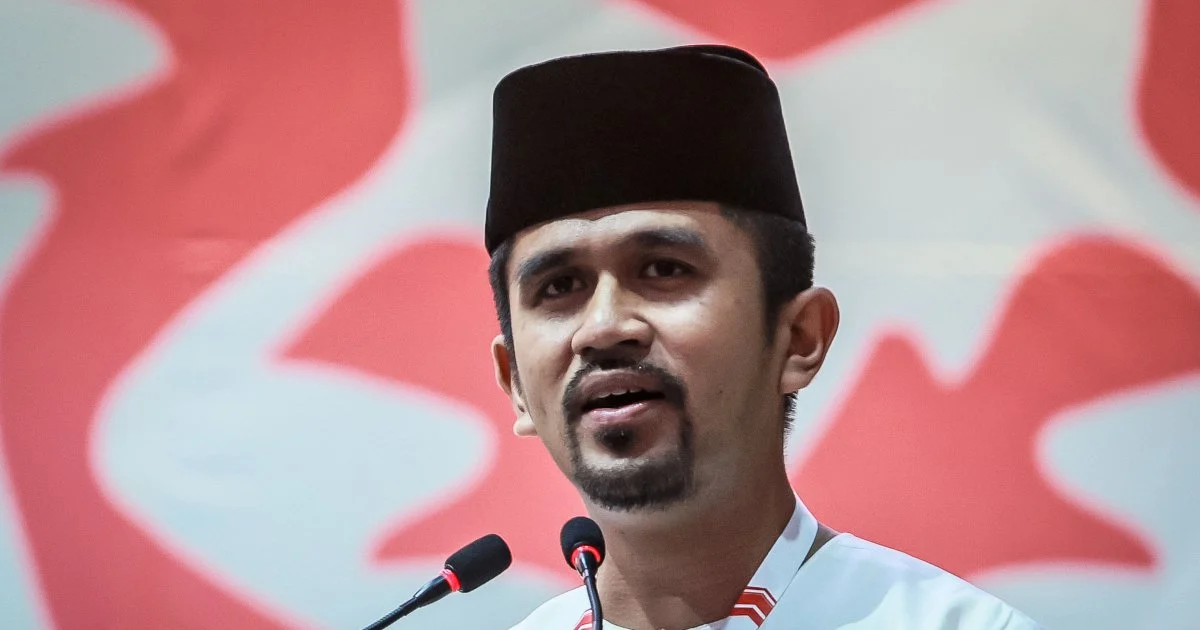
The Barisan Nasional coalition's Umno Youth secretary-general Hafiz Ariffin has mounted a pointed critique at Pakatan Harapan, questioning why several prominent political figures from Johor have been sidelined from the party's candidate list for the upcoming July 11 state election. This move signals intensifying pressure from the ruling coalition ahead of what is expected to be a closely contested electoral battle in the southern state.
The decision to exclude established Johor politicians from Pakatan Harapan's campaign line-up raises significant questions about internal party dynamics within the opposition alliance. In Malaysian electoral politics, the absence of seasoned campaigners and recognizable faces typically signals either internal discord, strategic repositioning, or concerns about individual candidate viability. Hafiz Ariffin's public questioning of these absences represents a tactical effort to amplify such divisions and cast doubt on the opposition's readiness to govern.
Johor remains strategically vital for both major political coalitions. The state holds considerable symbolic weight in Malaysian politics and represents a crucial battleground where electoral momentum can significantly influence outcomes. The Johor electorate has demonstrated its capacity to swing decisively between coalitions in recent electoral cycles, making the state a priority for both Barisan Nasional and Pakatan Harapan. Any perception of weakness or disorganization within either camp could prove costly during the campaign period.
Umno Youth's intervention in this narrative serves multiple tactical purposes beyond mere party competition. By publicly highlighting what it characterizes as gaps in Pakatan Harapan's candidate selection, the youth wing aims to undermine confidence in the opposition's organizational capacity and decision-making processes. Such critiques, when amplified through media channels, can influence voter perceptions of a party's internal stability and preparedness for governing responsibility.
The timing of these remarks carries additional significance given the election's proximity. Campaign strategies in Malaysian politics increasingly depend on projecting an image of unity and competent leadership. When opposition figures are notably absent from candidate lists in their home states, this creates a narrative vulnerability that rival coalitions are quick to exploit. Barisan Nasional appears intent on using this opening to question Pakatan Harapan's credibility among Johor voters who may prioritize representation by familiar, established political figures.
Pakatan Harapan's candidate selection process for Johor undoubtedly involved complex considerations beyond simple preference. Internal party negotiations, seat allocations among coalition partners, assessments of individual candidate performance in recent contests, and strategic positioning across diverse constituencies all factor into such decisions. However, the opacity of these deliberations provides space for competing political narratives to take hold. Hafiz Ariffin's questioning exploits precisely this information gap.
The Johor state election holds particular importance for Umno specifically, as the party has traditionally maintained considerable influence in the state. For Pakatan Harapan, Johor represents territory where the coalition seeks to consolidate recent electoral gains and expand its political footprint. The contest will likely determine which coalition emerges strengthened heading into subsequent political contests at the federal level. Every tactical advantage, including narrative control over candidate selections, therefore assumes heightened importance.
For Malaysian voters observing this unfolding political drama, the messaging about candidate selection processes ultimately connects to broader questions about competence and trustworthiness. When opposition coalitions must publicly defend their internal decision-making regarding candidate nomination, the ensuing controversy potentially distracts from substantive policy discussions that might otherwise shape electoral outcomes. Barisan Nasional appears comfortable allowing campaign oxygen to be consumed by such meta-political debates, suggesting confidence in its positioning with Johor voters.
The broader context of candidate selection across all participating parties reflects evolving dynamics within Malaysian politics. Incumbency advantages, the weight of recent electoral performance, demographic shifts, and changing voter preferences all influence who receives nomination papers. Pakatan Harapan's choices regarding Johor representation must also be understood within these parameters, though external critics naturally focus on high-profile absences rather than systemic factors guiding such decisions.
Looking ahead, the July 11 election will ultimately provide clearer indication of whether Hafiz Ariffin's critiques resonate meaningfully with Johor voters or whether Pakatan Harapan's candidate strategy proves effective despite the pointed questioning. Barisan Nasional's willingness to engage in this form of pre-election critique suggests the coalition views the contest as genuinely competitive. The state remains for both coalitions a crucial proving ground that could reverberate throughout Malaysian politics well beyond July.