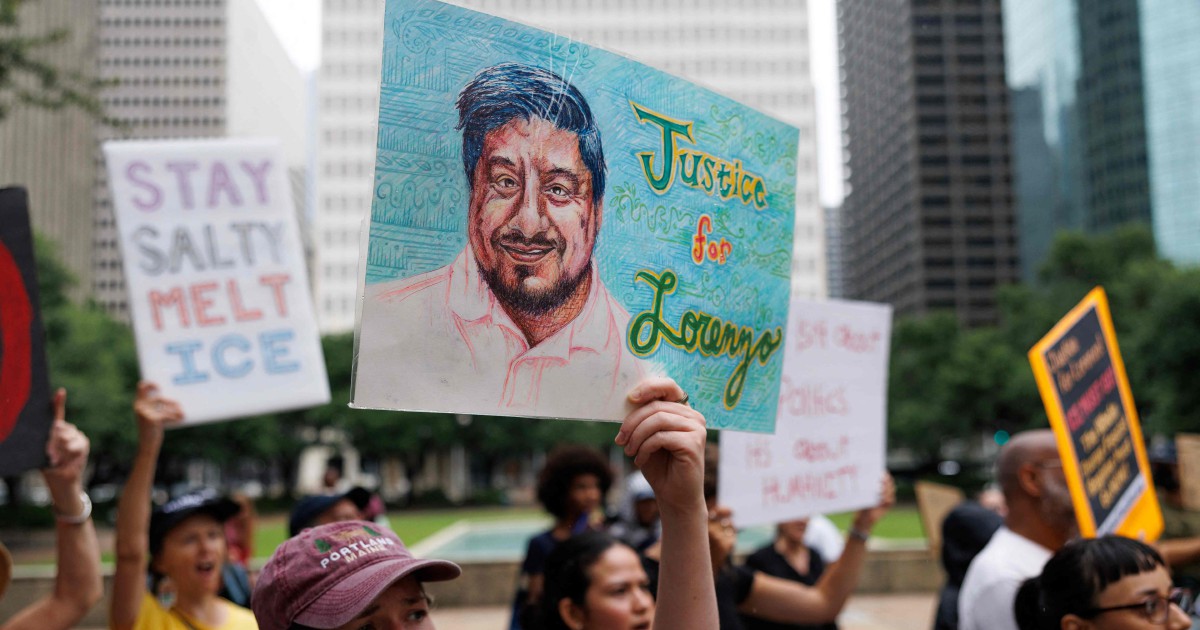
United Nations human rights specialists issued an urgent appeal on Saturday, demanding that Mexican authorities conduct thorough and impartial inquiries into claims that security forces and state officials impeded peaceful demonstrations concerning Mexico's longstanding disappearance crisis. The call came as the football World Cup tournament unfolded, a period when international attention typically focuses on sporting events rather than humanitarian concerns.
The UN experts emphasised the necessity of independent investigations to examine what they characterised as "undue interference" with civil society activism aimed at raising awareness about tens of thousands of missing persons across Mexico. These calls highlight a persistent tension in Mexico between its international sporting commitments and the serious human rights challenges that continue to plague the nation. The allegations suggest that certain authorities may have sought to minimise visibility of the disappearance issue during a globally watched event.
Mexico has grappled with an unprecedented crisis of enforced disappearances spanning multiple administrations, with the actual number of missing persons far exceeding official counts. Families have long used major international events as platforms to demand accountability and pressure authorities into action. The World Cup provided an exceptional opportunity to attract global media coverage and international scrutiny to their grievances. The UN experts' intervention underscores how the international community views these restrictions as potentially obstructing legitimate human rights advocacy.
The allegations of interference carry significant implications for Mexico's international standing and credibility. When a nation hosting or participating in major global sporting events simultaneously restricts peaceful protest regarding documented human rights concerns, it raises questions about governmental commitment to freedom of assembly and expression. For Malaysian observers, this situation reflects broader regional challenges in balancing national interests with fundamental democratic freedoms—issues equally relevant to Southeast Asian nations managing their own governance complexities.
The UN's position reflects established international human rights law, which protects the right to peaceful assembly and protest as fundamental democratic principles. By calling for investigations rather than condemning outright, the experts created space for Mexico to demonstrate its commitment to rule of law while addressing legitimate security concerns that sometimes accompany large gatherings. This measured approach acknowledges Mexico's challenges while maintaining pressure for transparency and accountability.
Mexico's disappearance crisis has deep structural roots involving organised criminal networks, insufficient institutional capacity, and in some cases alleged state complicity. Families of the disappeared have become increasingly vocal and organised, transforming their personal tragedies into powerful social movements. These movements represent civil society at its most essential—ordinary citizens demanding accountability when state institutions fail to protect vulnerable populations. International sporting events become natural focal points for such campaigns because they guarantee media presence and diplomatic attention.
The timing of the UN experts' statement reflects how Mexico's World Cup participation created a unique window where international scrutiny became unavoidable. The nation faced simultaneous pressures: maintaining the tournament's security and smooth operation while dealing with activist groups determined to place missing persons at the forefront of global consciousness. Alleged interference with these demonstrations suggests authorities prioritised the former over respecting the latter's democratic rights.
For Southeast Asian governments and civil society organisations, Mexico's experience offers instructive lessons. The region has experienced its own disappearances and extrajudicial killings, though often receiving less international attention than Mexico's crisis. The UN's response to Mexican interference allegations establishes important precedent: the international community will scrutinise restrictions on protest activities related to human rights concerns, particularly when they coincide with high-profile global events. This applies equally across Asia's democracies and authoritarian states.
The investigations demanded by UN experts would necessarily examine who authorized any alleged interference, what methods were employed, and whether they exceeded proportionate security measures. Mexican authorities would need to demonstrate that any restrictions on protest activities served legitimate public order purposes rather than attempting to suppress inconvenient narratives. The credibility of such investigations depends entirely on their genuine independence and willingness to hold officials accountable for misconduct.
Mexico's government has presented itself as increasingly committed to addressing historical injustices and transitional justice. Previous administrations faced accusations of collaboration with criminal networks and indifference to disappearances. The current leadership has attempted to distinguish itself through greater openness and investigation of past crimes. However, allegations of interference with World Cup protests suggest potential inconsistency between stated commitments to transparency and actual protection of civil society space.
The UN experts' call resonates across the Global South, where numerous nations host international sporting events while simultaneously managing significant human rights challenges. Whether governments respect fundamental democratic freedoms during such moments reveals much about their actual governance philosophy and respect for civil society. Malaysia, as a middle-income nation occasionally hosting international events, faces similar questions about balancing security, sovereignty, and democratic norms.
Looking forward, the critical issue becomes whether Mexico acts on these UN recommendations or permits the matter to fade from international attention once the World Cup concludes. Genuine investigations would demonstrate commitment to accountability. Inaction would reinforce perceptions that authorities prioritise controlling narratives over protecting fundamental rights. Either response will influence how international observers assess Mexico's human rights trajectory and may shape diplomatic relationships with nations monitoring the situation closely.

