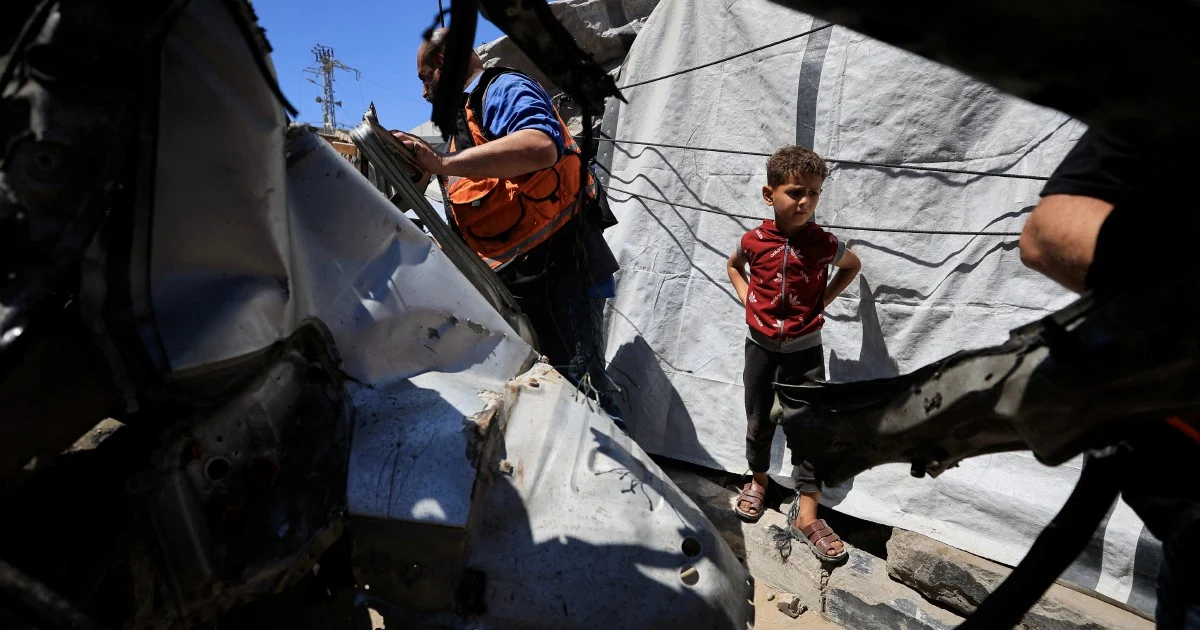
United Nations investigators have levelled a serious allegation against Israel, claiming the country is deliberately targeting Palestinian children as part of what they describe as an ongoing genocide in Gaza. The accusation, detailed in a report released from Geneva on Tuesday, represents one of the most consequential statements made by the international body throughout the current conflict, elevating what has been a deeply divisive geopolitical issue to the formal investigative machinery of the UN.
The investigators framed the targeting of children as a deliberate strategy rather than an incidental consequence of military operations. This distinction carries significant legal weight, as intentional harm to civilians—particularly minors—constitutes a grave breach under international humanitarian law and can be prosecuted as a war crime under the Rome Statute. The assertion that such targeting forms part of a broader genocidal campaign introduces another layer of complexity, as genocide charges require proving intent to destroy a group in whole or in part.
The findings immediately drew vehement responses from Israeli officials, who rejected the investigation's conclusions and methodology. Israel has consistently maintained that civilian casualties result from armed operations against Hamas and other militant organisations rather than from a policy of intentional harm. The government frequently argues that it takes measures to minimise civilian harm, though international observers and human rights groups have documented widespread devastation across Gaza's civilian infrastructure.
For Malaysia and other Southeast Asian nations, this UN investigation carries particular resonance. The region has maintained strong diplomatic positions on Palestinian rights within various international forums, and Malaysia has been notably vocal in its support for Palestinian statehood and criticism of Israeli military operations. The formal documentation by UN investigators provides a foundation upon which regional governments and civil society organisations can anchor their advocacy and policy positions.
The investigation's findings also intersect with broader discussions about accountability mechanisms in international law. The UN's formal assessment creates a precedent that shapes how future inquiries into conflict situations will be conducted and evaluated. For nations in Southeast Asia that harbour concerns about potential military interventions or occupations affecting their own populations, such investigations underscore the importance of robust international investigative protocols and independent verification of claims in conflict zones.
The context of these allegations extends back through months of intensive military operations that have resulted in extensive civilian casualties. Humanitarian organisations operating in Gaza have documented the disproportionate impact on Palestinian families and children, with many unable to access adequate shelter, medical care, or food. The investigators' report appears to synthesise evidence from multiple sources to construct an argument that patterns of harm to children reflect deliberate targeting rather than incidental effects.
Israel's dismissal of the investigation raises questions about the utility and credibility of UN fact-finding missions in conflicts where parties maintain fundamentally opposed narratives. The country has previously challenged the independence and fairness of UN inquiries, a position that reflects broader Israeli skepticism toward international bodies. This dynamic complicates efforts by the international community to establish agreed-upon facts in situations of armed conflict.
The accusation of genocide represents the highest legal threshold in international criminal law and carries enormous political and diplomatic significance. If substantiated through further investigation or judicial proceedings, such findings could trigger obligations under the Genocide Convention that bind all signatory states. Malaysia, as a state party to various international humanitarian law instruments, would face renewed pressure to take positions aligned with investigations confirming genocide allegations.
For regional observers, the investigation underscores how conflicts in distant regions increasingly become matters of international scrutiny and legal investigation. The advent of digital documentation, satellite imagery, and international media coverage means that military operations cannot proceed without creating an evidential record that may be examined by UN bodies, international courts, or non-governmental monitors. This reality shapes how states conduct military operations and creates lasting records that can influence international relations long after armed conflict concludes.
The broader implications for Southeast Asia relate to questions of military conduct, civilian protection, and international accountability standards. As several nations in the region maintain military establishments and face their own security challenges, the standards established through investigations into Gaza carry lessons about international expectations for separating combatants from civilians and protecting vulnerable populations. The UN's willingness to make explicit allegations about deliberately targeting children sends a signal about what conduct will attract international investigation and censure.
Moving forward, this investigation will likely shape how different nations vote on related resolutions, statements, and positions within the United Nations General Assembly and other international forums. Malaysia's consistent advocacy for Palestinian rights suggests the country may find the investigators' conclusions aligned with its existing diplomatic stance, though the government will assess how such positions balance other foreign policy considerations.
The investigation's release coincides with ongoing diplomatic efforts to broker ceasefires and humanitarian access arrangements in Gaza. Whether such inquiries contribute to or complicate negotiated settlements remains contested among scholars and practitioners of international law. The UN investigators' report injects additional pressure on Israel while simultaneously providing a potential focal point for further legal or diplomatic consequences, though the gap between investigation and enforcement remains a persistent challenge within international justice systems.