The United Nations' top diplomat has issued an urgent plea for an immediate cessation of military hostilities in the Persian Gulf region, warning that continued escalation between Iran and the United States risks triggering consequences that would reverberate far beyond the Middle East. Speaking through his spokesperson Stephane Dujarric on Sunday, UN Secretary-General Antonio Guterres expressed profound alarm at the pattern of military confrontations that have marked recent weeks, signalling a significant deterioration in regional stability that demands immediate international attention.
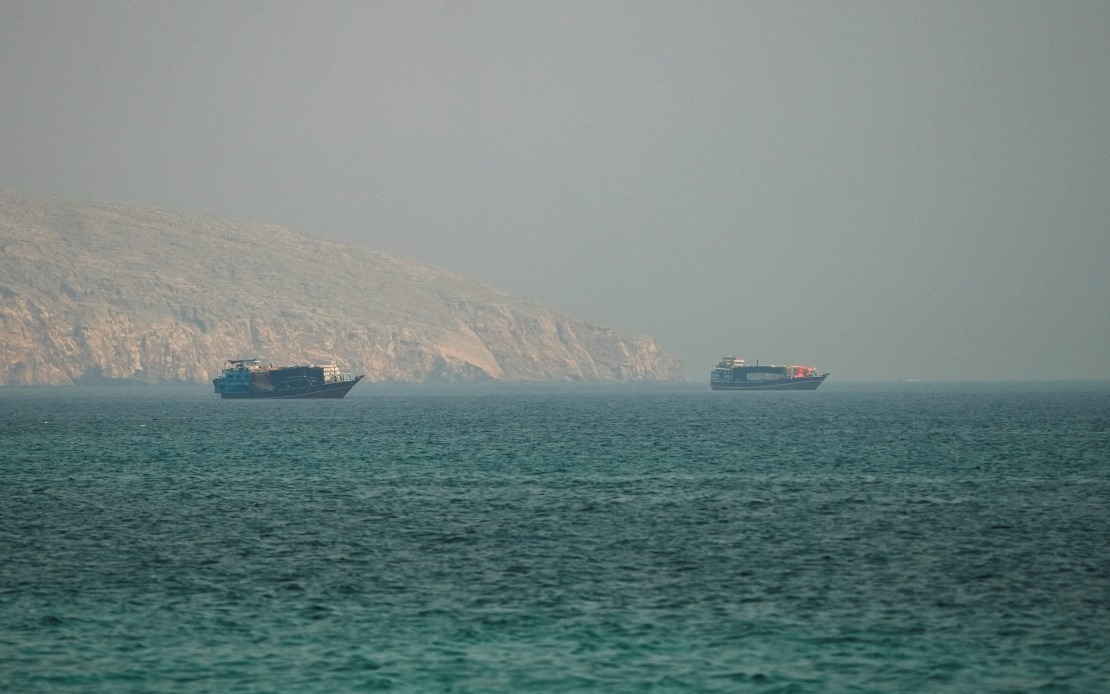
The cascade of incidents driving the UN chief's intervention reflects a troubling trajectory of tit-for-tat military actions. Iranian vessels have allegedly attacked commercial shipping transiting the Strait of Hormuz, one of the world's most strategically vital waterways through which approximately one-third of global seaborne petroleum passes. Parallel to these maritime incidents, the United States has conducted military strikes against Iranian targets, while Iran has simultaneously launched attacks on objectives in neighbouring countries, creating a pattern of escalation that threatens to spiral beyond current containment.
Guterres emphasised that all parties involved in the dispute must exercise maximum restraint and refrain from actions that would deepen the crisis. This diplomatic call carries particular weight given the UN's traditional role as neutral arbiter in international conflicts. The Secretary-General's direct intervention suggests mounting concern within the international community that the current trajectory, if unchecked, could transform limited military engagements into broader regional conflict with unpredictable consequences.
The economic dimensions of such escalation weigh heavily on the UN chief's calculations. Beyond immediate humanitarian suffering, a full-scale conflict in the Gulf would disrupt global energy supplies, trigger massive commodity price spikes, and potentially plunge the international economy into significant disruption. For Malaysia and other Southeast Asian nations heavily dependent on Middle Eastern oil and vulnerable to petroleum price volatility, such a scenario carries material implications for domestic inflation, manufacturing costs, and overall economic stability.
The Strait of Hormuz has emerged as the focal point of tensions, with its strategic importance amplified by its role as a chokepoint for global energy trade. Guterres specifically highlighted the necessity of maintaining full freedom of navigation through these waters, a principle that underpins international maritime law and global commerce. Any prolonged disruption would affect shipping routes throughout Southeast Asia and raise insurance costs for vessels transiting the region, with consequences rippling through supply chains worldwide.
Central to the UN's diplomatic overture is the urgent appeal for Washington and Tehran to return to the negotiating table. The call reflects recognition that military escalation has consistently failed to resolve the fundamental disputes between the two nations, and that only sustained diplomatic engagement offers a pathway toward de-escalation. The Secretary-General's emphasis on negotiations acknowledges that underlying policy disagreements, whether regarding sanctions, nuclear programmes, or regional influence, cannot be resolved through military means and require structured dialogue.
For Southeast Asian observers, the Gulf crisis presents a cautionary example of how bilateral tensions can threaten broader international stability and economic health. Malaysia, as a major trading nation with significant maritime interests and substantial energy imports, has a vested interest in maintaining regional peace and open shipping lanes. Any escalation in the Gulf directly affects Malaysian ports, shipping companies, and oil-dependent industries, making the UN's diplomatic efforts highly relevant to national prosperity.
Guterres' warning about catastrophic consequences carries particular moral weight given the UN's mandate to prevent conflict and protect civilians. A return to full-scale hostilities would inevitably produce humanitarian suffering, displace populations, and require international intervention and reconstruction efforts that stretch already-limited global resources. The human costs of renewed conflict would complement the economic disruption, creating a compounding crisis across multiple dimensions.
The UN chief's appeal fundamentally rests on the principle that mutual escalation serves neither party's long-term interests. While tactical military actions may appear to advance short-term objectives, they generate counter-escalation and risk uncontrolled expansion beyond original parameters. History suggests that once military exchanges begin, controlling their scope and intensity becomes progressively difficult, creating space for miscalculation and unintended consequences.
The international community's ability to encourage genuine de-escalation depends partly on sustained diplomatic messaging from recognised neutral actors like the UN. Guterres' statement represents such an effort, articulating shared concerns about regional stability and global economic health. Whether Tehran and Washington respond positively remains uncertain, but the clarity of the UN's position establishes a benchmark for responsible international conduct and provides a framework through which other nations can advocate for restraint.
For Malaysia and neighbouring countries, the unfolding Gulf crisis underscores the interconnectedness of global security and economic systems. Distant regional conflicts can generate immediate domestic effects through energy prices, trade disruption, and supply chain fragmentation. This reality necessitates informed engagement with international diplomatic efforts aimed at preventing escalation, as peaceful resolution serves regional and national interests comprehensively better than military expansion.
The UN's call for negotiations ultimately reflects confidence that the disputes underlying current tensions remain negotiable if approached through proper diplomatic channels. The challenge now lies in convincing both parties that mutual restraint and good-faith dialogue offer superior alternatives to continued military posturing, a message that resonates across the international system and carries particular urgency for nations whose prosperity depends on stable global commerce and energy security.

