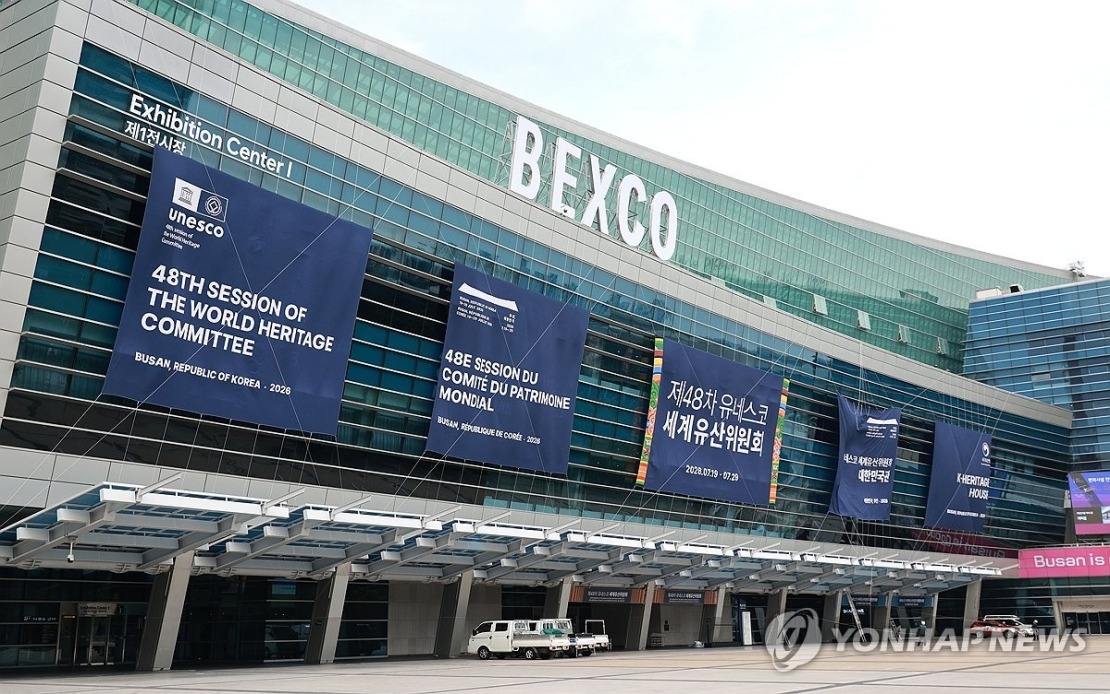
South Korea's port city of Busan will this week become the epicentre of global heritage conservation efforts as the UNESCO World Heritage Committee opens its annual gathering, marking a significant milestone for the country that joined the World Heritage Convention just over three decades ago. The 10-day meeting, commencing on Sunday at the Busan Exhibition and Convention Centre, represents the first time South Korea has hosted this prestigious forum since becoming a signatory in 1988, underlining the nation's growing prominence in international cultural preservation initiatives.
The assembly will draw approximately 3,000 participants representing the full spectrum of UNESCO's membership and broader stakeholder ecosystem. This contingent includes official delegations from all 196 member states, along with representatives from international organisations, non-governmental entities and advisory bodies. The sheer scale of attendance reflects the universal significance accorded to World Heritage designation and the intense competition among nations seeking recognition for their cultural and natural treasures.
Leading the proceedings will be UNESCO Director-General Khaled El-Enany, supported by Assistant Director-General for Culture Nayef Al-Fayez and Lazare Eloundou Assomo, director of the World Heritage Centre. These senior figures will guide deliberations on matters ranging from individual site inscriptions to fundamental policy questions that shape how the international community protects humanity's most precious landmarks. Their presence signals UNESCO's commitment to ensuring this session produces substantive outcomes that reinforce the convention's effectiveness across diverse geographical and cultural contexts.
The World Heritage Committee functions as UNESCO's principal decision-making body for matters concerning both cultural and natural heritage preservation. Its annual convening has become the focal point where nomination dossiers are formally evaluated, existing World Heritage Sites undergo conservation status reviews, and broader strategic issues affecting the entire convention framework receive comprehensive examination. The intensity of these sessions reflects the mounting pressures facing heritage sites globally, from climate change impacts to increased tourism and development pressures.
For Southeast Asian nations including Malaysia, this gathering carries particular relevance given the region's rich but increasingly threatened cultural and natural heritage. Malaysian sites already inscribed on the World Heritage List, such as Kinabalu Park and the Petronas Twin Towers' broader urban context, benefit from the international framework and technical support mechanisms discussed at these sessions. The committee's deliberations on climate adaptation strategies and sustainable tourism management directly influence how countries across the region approach heritage protection in the twenty-first century.
The committee's annual schedule of inscription reviews shapes global heritage politics in profound ways. Nations expend considerable diplomatic and financial resources preparing nominations, and the competitive process has become increasingly sophisticated. The current session will assess how effectively existing criteria are being applied, whether the World Heritage List adequately represents all world regions and cultures, and how the framework must evolve to address contemporary challenges like digital heritage preservation and post-conflict site restoration.
South Korea's hosting role reflects its elevation within UNESCO's hierarchy and its successful track record in heritage conservation. The country's transformation from a developing nation rebuilding after conflict to a sophisticated cultural powerhouse mirrors broader Southeast Asian aspirations. The location in Busan, a vibrant international port city rather than the capital Seoul, also signals deliberate inclusivity—encouraging participation from diverse stakeholder communities and demonstrating that heritage matters extend beyond traditional metropolitan centres.
Conservation status assessments represent another critical function undertaken at these sessions. Properties facing deterioration, threatened by inadequate funding or management, or damaged by natural disaster receive formal review. The committee can issue warnings, recommend enhanced protection measures, or in extreme cases remove sites from the list—a rarely invoked but powerful sanction. These evaluations generate significant diplomatic negotiation, as nations defend their stewardship records and international bodies advocate for more stringent protections.
The policy dimensions debated at this Busan session will have cascading effects throughout Southeast Asia and globally. Discussions regarding Indigenous peoples' involvement in heritage management, integration of traditional ecological knowledge, and recognition of intangible cultural heritage dimensions all carry implications for how Malaysian cultural sites are managed and interpreted. The committee's positioning on issues like heritage tourism revenue sharing and community benefit-distribution frameworks influences practical heritage governance in developing nations.
For Malaysian heritage professionals and policymakers, this Busan session offers opportunities to observe how peer nations navigate complex conservation challenges, to understand evolving international standards and best practices, and to contribute to debates shaping the future direction of global heritage preservation. The connections forged between delegates often result in technical cooperation, knowledge exchange, and coordinated responses to shared challenges affecting regional heritage.
The convergence of thousands of heritage specialists, government officials and civil society advocates in Busan underscores the collective recognition that protecting cultural and natural heritage transcends national borders. Heritage destruction or degradation anywhere diminishes humanity's shared inheritance everywhere. This philosophy, embedded in the World Heritage Convention that emerged from UNESCO's founding vision, gains renewed urgency as anthropogenic and natural threats intensify. South Korea's role as host for this landmark gathering positions it as a steward not merely of its own heritage but of the international system dedicated to preserving the world's most irreplaceable treasures.

