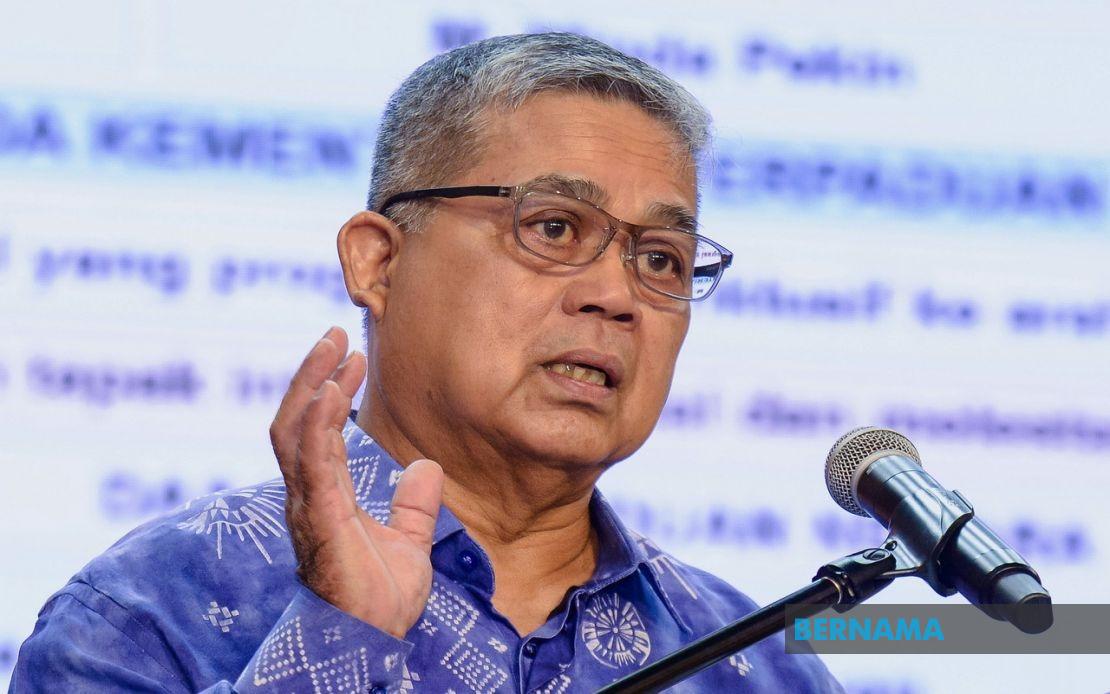
The National Unity Ministry is embarking on an ambitious initiative to reshape how Malaysians handle community disputes, with a target of producing 1,280 certified community mediators by the end of the decade. This strategic expansion, announced by Minister Datuk Aaron Ago Dagang, represents a significant investment in alternative dispute resolution mechanisms designed to ease the burden on Malaysia's court system while promoting grassroots harmony across the nation.
The initiative aligns closely with objectives outlined in the 13th Malaysia Plan, which prioritises building social unity through robust, inclusive frameworks for managing conflict. By developing a cadre of trained mediators embedded within communities, the ministry aims to create accessible pathways for residents to resolve disagreements without resorting to litigation. This approach recognises that many neighbourhood disputes—property boundaries, noise complaints, family matters affecting the wider community—often leave permanent scars when handled adversarially in court, yet can be resolved through skilled negotiation and mutual understanding.
Community mediation offers tangible advantages over traditional court processes. The services operate free of charge on a pro bono basis, removing financial barriers that often prevent poorer Malaysians from accessing justice mechanisms. Mediation is also considerably faster than litigation, which can take months or years to conclude, allowing disputing parties to restore relationships and move forward quickly. Perhaps most importantly, mediation preserves the social fabric of tight-knit communities by emphasising compromise rather than victory, helping neighbours remain neighbours after the dispute is resolved.
To operationalise this vision, the ministry plans to establish twelve new community mediation centres by 2027. The geographic spread of these facilities demonstrates a deliberate effort to ensure nationwide reach. Locations range from urban centres like Perumahan Awam Seri Kota in Kuala Lumpur and Shah Alam in Selangor, to smaller towns including Pontian in Johor, Machang in Kelantan, and Kamunting in Perak. Eastern Malaysia is not neglected, with facilities planned for Kota Kinabalu in Sabah, Miri in Sarawak, and Labuan, addressing the service gap in regions typically underserved by centralised dispute resolution infrastructure.
Many of these centres will be housed within existing community facilities, particularly Pusat Rukun Tetangga (neighbourhood management centres) and Pusat Aktiviti Perpaduan (unity activity centres). This integration is strategic, leveraging existing trusted community institutions rather than creating new bureaucratic structures. The approach acknowledges that residents are more likely to seek mediation through familiar local bodies they already engage with, rather than reporting to distant government offices.
The expansion of mediation services carries particular significance for Malaysia's diverse, multi-ethnic society. Disputes that might escalate along communal lines if mishandled in adversarial settings can be de-escalated through skilled mediation that respects all parties' perspectives. Certified mediators trained in cultural sensitivity and conflict de-escalation techniques become invaluable assets in neighbourhoods comprising different religious, ethnic, and socioeconomic groups. They serve as circuit-breakers in tense situations, preventing rumour and grievance from festering into broader community tension.
The commitment to increase the mediator pool signals recognition that dispute resolution capacity in Malaysia currently lags behind demand. Many grassroots communities lack access to professional mediation, forcing disputing parties to either swallow their grievances or pursue costly litigation. By training 1,280 certified mediators—a substantial workforce—the ministry aims to establish mediation as a mainstream, normalised response to conflict rather than a niche service known only to legal professionals and NGOs.
Implementing this programme will require substantial investment in training infrastructure and quality control. Mediators must acquire specific skills in active listening, neutral facilitation, identifying common ground, and managing high-emotion situations. The ministry will need to establish robust accreditation standards to ensure certified mediators maintain professional standards and public trust. Ongoing support and continuing education will be essential to prevent mediator burnout and maintain service quality across diverse community contexts.
The financial implications also merit consideration. Providing free mediation services reduces court congestion and associated state expenditure on judicial administration. When disputes are resolved amicably at community level, court dockets clear, allowing judges to focus on cases requiring formal adjudication. For individual disputants, avoiding litigation saves thousands in legal fees and opportunity costs, effectively transferring resources from lawyers to families and local enterprises. This represents a modest but real contribution to household financial resilience across the nation.
The ministry's strategic collaboration with local authorities will prove crucial to implementation success. Municipal councils, state governments, and neighbourhood associations must champion mediation services and refer disputants to available mediators. Without active promotion and endorsement from trusted local figures, many residents may remain unaware these services exist. Building referral networks between government bodies, police, religious authorities, and community leaders will determine whether the initiative merely creates infrastructure or genuinely transforms conflict patterns.
For Malaysia's evolving social landscape, the mediation initiative represents preventive social investment. As urbanisation continues and communities grow more complex, the capacity to manage disagreements peacefully becomes increasingly valuable. Mediation services support Malaysia MADANI's aspiration of building a harmonious, united and prosperous society—not through suppressing dissent or disagreement, but by providing legitimate, accessible mechanisms for working through differences constructively.
The 2030 target of 1,280 mediators, while ambitious, remains achievable with sustained commitment and adequate resourcing. The initiative's success will ultimately be measured not by mediator numbers alone, but by declining community disputes escalating to courts, improved neighbourhood relations, and measurable increases in public awareness and utilisation of mediation services. As the ministry proceeds with implementation, carefully documented pilot projects and impact assessments will provide valuable evidence for scaling the programme beyond 2030.

