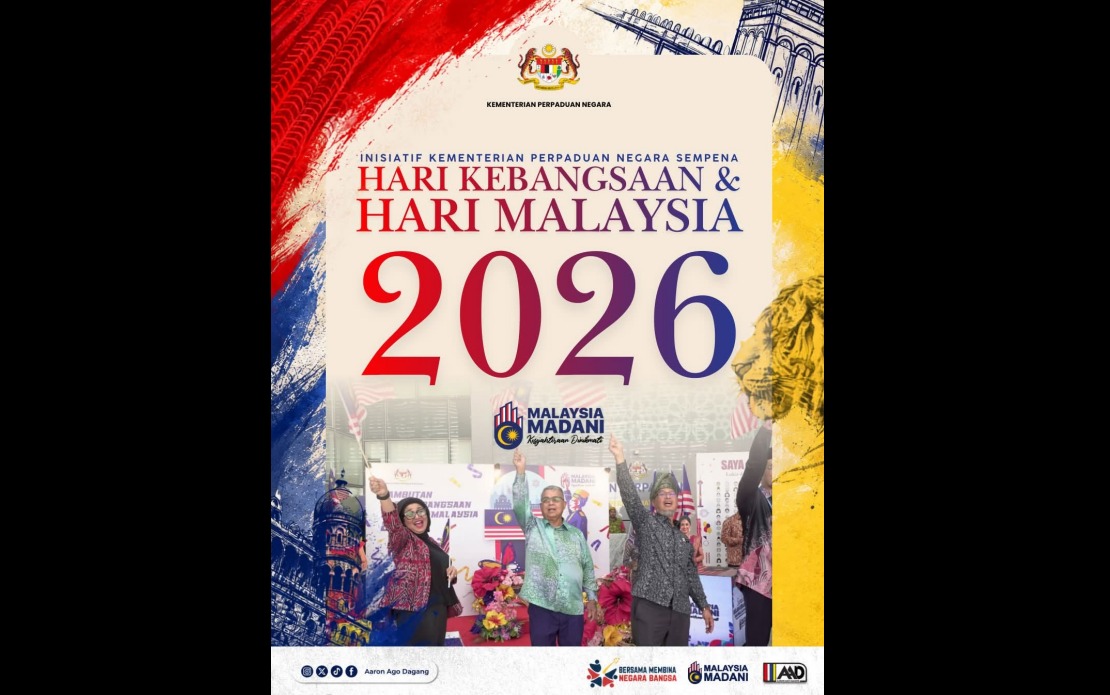
The National Unity Ministry has unveiled an ambitious slate of 11 programmes designed to deepen Malaysians' connection to their nation's founding principles and shared heritage during the 2026 National Day and Malaysia Day commemorations. Minister Datuk Aaron Ago Dagang announced the comprehensive initiative in Putrajaya on Monday, positioning the celebrations as a pivotal moment to reinforce the pillars of nationhood that have sustained Malaysia through five decades of independence and nation-building.
This coordinated approach reflects a strategic recognition within government circles that national cohesion requires deliberate, sustained programming rather than annual ceremonies alone. By distributing the 11 initiatives across the full year leading to the dual celebrations, the ministry aims to create multiple touchpoints where Malaysians from different backgrounds can engage with shared historical narratives, cultural achievements, and constitutional values. The scope of activities demonstrates an understanding that patriotism and national pride operate across multiple registers—from intellectual appreciation of history to emotional connection through celebration.
Among the centrepieces of the ministry's agenda is the 2026 National Unity Integration Movement, which will serve as the overarching framework tying individual programmes together. This umbrella initiative signals an intent to move beyond isolated cultural events towards a cohesive narrative about Malaysian identity that emphasises both the distinct contributions of different communities and their interdependence within the broader national project. The movement framework allows for regional customisation while maintaining consistency with federal messaging about unity and belonging.
The Malaysia's Merdeka Children Celebration targets younger generations explicitly, recognising that sustained national identity requires cultivation from childhood onwards. By creating dedicated programming for children around independence themes, the ministry addresses a demographic that has grown up entirely in post-1957 Malaysia and may have limited visceral connection to the historical struggles that shaped the nation. Such programming can bridge generational gaps and ensure that foundational nationalist narratives transmit effectively to those who will inherit responsibility for the country's future direction.
An Exhibition on Independence will provide historical context and visual documentation of Malaysia's journey from colonial administration to sovereign nationhood. These exhibitions function as both educational resources and emotional anchors, offering citizens opportunities to reflect on sacrifice, achievement, and the complex negotiations that underpinned the transition to independence. For international visitors and diaspora Malaysians, such exhibitions also serve as soft-power mechanisms, communicating Malaysia's historical distinctiveness and contemporary stability to external audiences.
The programme commemorating Tun Abdul Razak acknowledges the role of foundational leadership figures in establishing the constitutional and institutional frameworks that continue to govern modern Malaysia. By elevating the nation's first Prime Minister through dedicated commemoration, the ministry reinforces the historical legitimacy of key national institutions and emphasises continuity between Malaysia's founding generation and contemporary leadership. This approach parallels international practice of anchor-figure commemoration as a nation-building technique.
The Pesta Bola Merdeka Exhibition and Night at the Museum events bring cultural and sporting heritage into focus, recognising that national identity operates through affective and recreational engagement, not exclusively through formal historical instruction. Sports events and museum experiences create informal learning environments where citizens encounter national narratives while participating in enjoyable activities. The Pesta Bola Merdeka, already an established national tradition, gains reinforced significance through integration into the broader 2026 commemorative programme.
The Rukun Negara Oratory Competition represents a more demanding engagement mechanism, requiring participants to articulate understanding of Malaysia's foundational constitutional principles and to communicate effectively about national values. Oratory competitions elevate public discourse around nationhood and create visible platforms for citizens to express patriotic sentiment in their own words. This format particularly benefits younger competitors, who develop communication skills while internalising constitutional principles that define Malaysian citizenship and unity frameworks.
Minister Ago Dagang's emphasis on embracing Malaysia's diversity of ethnicities, religions, cultures, and regions grounds these initiatives within a specific conceptual framework: national unity understood not as homogenisation but as the harmonious coexistence of distinct communities sharing common constitutional citizenship and national aspiration. This positioning distinguishes Malaysian nation-building from monocultural nationalism, instead framing diversity as a defining characteristic requiring active stewardship and appreciation. The explicit mention of regional diversity acknowledges geographic and developmental disparities within Malaysia and commits programming to inclusive representation.
The alignment of these 2026 initiatives with broader nation-building aspirations reflects a government assessment that patriotism requires continuous reinforcement through official programming and cultural institutions. By concentrating resources on a specific commemorative year, the ministry creates a focal point for national conversation and media attention around questions of identity, belonging, and constitutional values. The decision to couple National Day and Malaysia Day celebrations in unified programming acknowledges the interrelated significance of these dates in Malaysia's constitutional calendar.
For Southeast Asian regional observers, Malaysia's approach to 2026 commemorations offers an instructive case study in how diverse multicommunal democracies calibrate official nationalism and national celebration. The emphasis on institutional continuity, constitutional principles, and inclusive representation reflects particular solutions to governance challenges common across the region. The breadth and ambition of the initiative suggest government confidence in the continued resonance of nationalist messaging and the perceived capacity of official cultural programming to shape public sentiment.
The ministry's commitment to ensure that appreciation of Malaysia's history, heritage, and Rukun Negara principles remain central to national consciousness addresses observable generational shifts in how younger Malaysians relate to founding narratives. By investing heavily in 2026 programming, the government signals determination to maintain the salience of these frameworks within public discourse and national identity formation across demographic cohorts. The long lead time allows for comprehensive planning and permits grassroots organisations, educational institutions, and cultural bodies to align their own programming with official initiatives.

