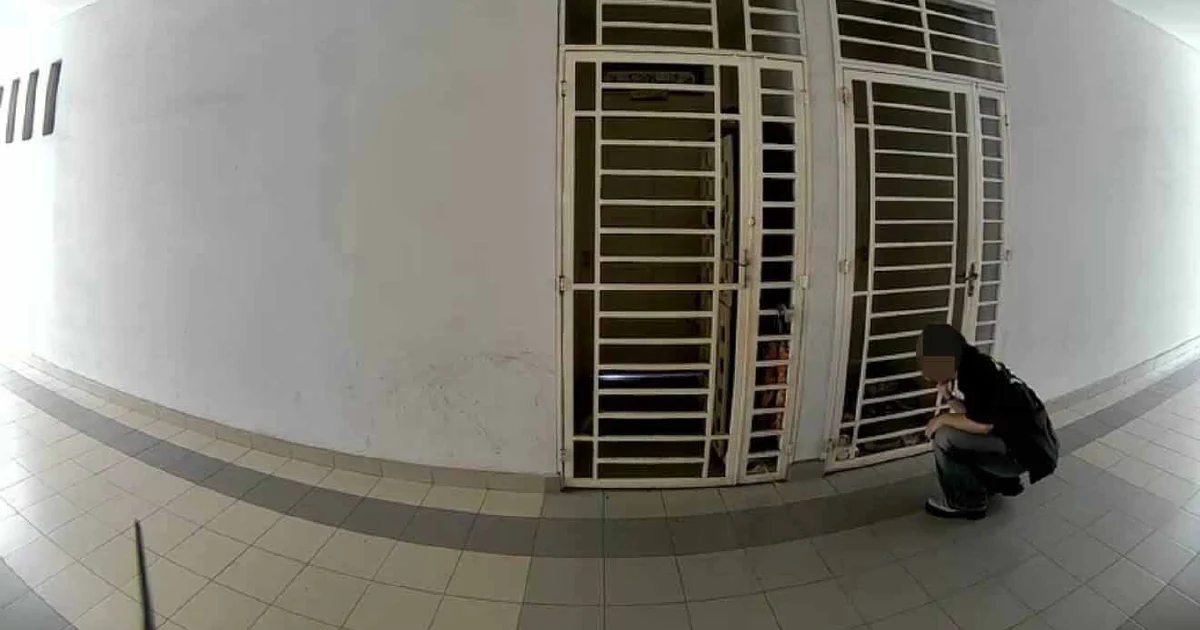
A public university student has been taken into police custody following allegations that he persistently harassed and stalked a female classmate for an extended period. The detention occurred in Shah Alam as investigators from the police force moved to act on complaints spanning several months of alleged unwanted contact and intimidation.
The case centres on conduct that reportedly began in April, with the accused student allegedly subjecting his fellow undergraduate to a sustained pattern of harassment. Such incidents on Malaysian university campuses have drawn increasing scrutiny from both institutional authorities and parent advocacy groups concerned about the safety and wellbeing of students.
Stalking and harassment in educational settings present particular challenges for institutional management and law enforcement. Universities operate as relatively contained communities where students interact daily across shared academic and social spaces, making it difficult for victims to avoid perpetrators and creating conditions where unwanted attention can escalate in severity and frequency.
The detention signals that police are treating the matter seriously and are willing to invoke stalking and harassment statutes to protect vulnerable students. Malaysian law provides several avenues for addressing such conduct, including provisions under the Penal Code and the Protection from Harassment Act 2012, which affords comprehensive legal remedies beyond traditional criminal measures.
For Malaysian readers and families, this incident underscores the importance of understanding what constitutes harassment in modern contexts. Contemporary stalking often involves both physical surveillance and digital communication through social media platforms, messaging applications, and other technology channels. Young people, who may be less accustomed to recognising boundary violations, need awareness of what behaviours cross the line into criminal conduct.
Universities across Southeast Asia have increasingly implemented reporting mechanisms and support systems for students experiencing harassment. These institutional responses reflect recognition that victims often delay coming forward due to social stigma, fear of not being believed, or concern about retaliation. Establishing accessible complaint channels and ensuring swift institutional action can encourage earlier reporting and intervention.
The role of peers and dormitory communities in identifying and reporting concerning behaviour should not be underestimated. Classmates and roommates often notice patterns of suspicious contact or isolation that victims themselves may downplay. Creating a culture where students feel comfortable reporting concerning behaviour without fear of social backlash is essential for campus safety.
Digital literacy and online safety awareness form a critical complement to physical security measures. Many harassment cases involve sustained messaging, unwanted contact on social media platforms, or sharing of private information without consent. Students need practical guidance on managing privacy settings, documenting concerning communications, and understanding that blocking and reporting features exist for their protection.
The psychological impact on harassment victims extends beyond the immediate period of unwanted contact. Studies indicate that targeted individuals often experience anxiety, depression, and diminished academic performance, potentially affecting their educational outcomes and future career prospects. Early intervention through supportive university counselling services and, when necessary, police action can mitigate these longer-term effects.
Institutional accountability matters significantly in these cases. Universities must ensure that conduct codes are enforced consistently and transparently, with processes that protect both alleged victims and those accused while the legal system operates independently. When institutional responses are seen as inadequate, students may lose confidence in reporting systems and seek external help later or not at all.
The broader context of campus safety reflects evolving societal conversations about consent, boundaries, and respectful conduct. Educational institutions have a responsibility to foster environments where all students can pursue their studies without fear. This requires ongoing dialogue between university administrations, student bodies, and law enforcement about what constitutes appropriate behaviour and what resources are available to address violations.
As this case moves through the legal process, it will likely generate discussion within the higher education community about prevention strategies. Many universities now incorporate workshops on healthy relationships and consent into orientation programmes, while some have introduced bystander intervention training to empower students to support peers who may be experiencing harassment.
For the broader Malaysian public, this incident serves as a reminder that predatory behaviour is not confined to strangers in public spaces but can occur within communities that appear safe and structured. Vigilance, clear communication about boundaries, and swift institutional response remain the most effective tools for protecting vulnerable individuals while maintaining the educational environment that universities are intended to provide.

