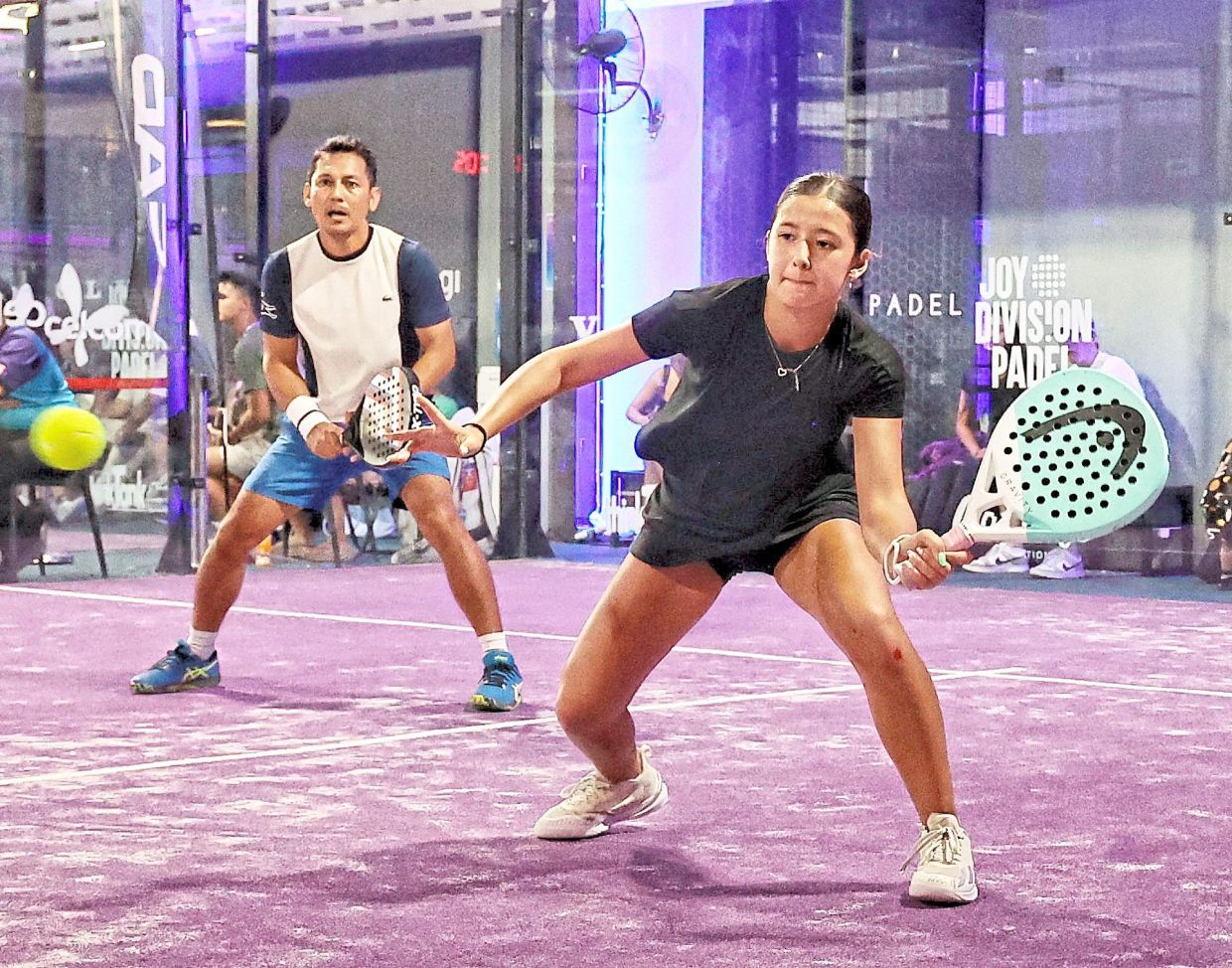
Malaysia's urban fitness landscape has undergone a remarkable transformation in recent years, with weekend athletes flocking to courts, studios and running clubs in unprecedented numbers. The shift reflects a broader cultural realignment among middle-class professionals seeking respite from screen-dominated work lives, yet the explosion of activity is generating an equally striking rise in sports-related injuries among those unprepared for the physical demands they are undertaking.
The evidence of this recreational sports renaissance is visible across every major metropolitan area. Padel courts have colonised converted warehouses and shopping mall rooftops throughout the Klang Valley, with prime-time slots reserved weeks in advance. Pickleball, long regarded as an activity for retirees, now attracts players in their twenties and thirties to community halls and repurposed badminton venues. Reformer Pilates studios have proliferated across cities with months-long waiting lists and subscription-based membership models. Running clubs that could barely sustain membership five years ago now enforce capacity limits on their weekly gatherings. The climax of this fitness movement is captured by Hyrox, an international fitness competition combining eight kilometre runs interspersed with eight functional workout stations featuring sled pushes, rowing machines and wall ball exercises. Kuala Lumpur will host Malaysia's inaugural Hyrox event on December 12 and 13 at the Malaysia International Trade and Exhibition Centre, with regional precedent suggesting demand will vastly outstrip supply—the Singapore edition sold out within minutes of tickets becoming available.
This recreational boom has attracted serious capital investment from the technology and health sectors. Finnish company Oura, which manufactures smart rings tracking sleep, heart rate and physiological recovery metrics, filed confidentially for a United States stock exchange listing last month at an estimated valuation near US$11 billion (RM45.6 billion). The company has distributed more than 5.5 million devices globally and projects revenue approaching US$2 billion (RM8.3 billion) for the current year. Its primary competitor Whoop, which produces a screenless fitness monitoring strap, secured US$575 million (RM2.39 billion) in funding during March at a valuation of US$10.1 billion (RM41.9 billion). Investors are not valuing these companies as consumer electronics manufacturers but rather as comprehensive health platforms, betting that mainstream consumers will commit to recurring subscription payments in exchange for detailed physiological self-knowledge.
Multiple social and psychological forces underpin this fitness revolution. A significant factor is mounting disillusionment with screen-dependent leisure and work. After years of excessive digital consumption, many professionals have recognised that additional hours spent on mobile devices or computers correlate with diminished wellbeing, whereas time spent competing on courts or running in groups produces measurable improvements in mood and energy. Community formation represents another powerful driver. Padel and pickleball are inherently social sports, contested in doubles format, accessible to beginners yet sufficiently challenging to maintain engagement. These activities have displaced traditional gathering spaces for segments of the population consuming less alcohol and operating under remote working arrangements. Wearable technology reinforces these behavioural patterns by transforming exercise from an abstract health objective into a quantifiable, trackable routine that generates daily feedback loops.
From a public health perspective, this shift toward active recreation carries substantial benefits for Malaysian populations. More than half of Malaysian adults carry excess weight, while diabetes, hypertension and coronary heart disease create formidable challenges for family budgets and national healthcare infrastructure. Regular physical activity represents the single most cost-effective intervention available within preventive medicine. Consistent exercise lowers arterial blood pressure, enhances insulin sensitivity, improves mental health outcomes, preserves cognitive function during aging and extends healthy life expectancy. The population-level benefits of converting sedentary desk workers into active participants cannot be overstated.
However, this expansion masks a serious medical complication becoming increasingly apparent to orthopaedic and sports medicine practitioners. The emerging phenomenon involves previously sedentary individuals, typically aged between forty and sixty, who suddenly undertake intensive training schedules after decades of minimal physical activity. A common scenario involves someone discovering padel tennis or committing to Hyrox training with colleagues, then escalating to four sessions weekly within a single month. Cardiovascular and pulmonary systems demonstrate remarkable capacity to adapt to sudden increases in training intensity within short timeframes. The musculoskeletal system, comprising tendons, ligaments and articular cartilage, follows fundamentally different adaptive timelines. These tissues require months to increase tensile strength in response to loading demands, not weeks. Dramatic increases in training volume within compressed timeframes exceed the biological capacity of these structures to remodel safely, producing predictable injury patterns.
The injury profiles associated with these specific sports demonstrate consistent patterns across populations adopting them. Padel and pickleball necessitate explosive lunging movements, rapid directional changes and overhead striking actions that impose severe mechanical stress on the lower and upper extremities. Consequently, practitioners of these sports experience escalating incidence of calf muscle tears, Achilles tendon ruptures, anterior and lateral knee ligament injuries and rotator cuff pathology wherever these activities establish themselves. This phenomenon is not limited to Malaysia or Southeast Asia. Analysis by investment bank UBS examining medical expenditures associated with pickleball injuries in the United States projected annual costs ranging between US$250 million (RM1.04 billion) and US$500 million (RM2.07 billion), with the most severe consequences affecting players aged over sixty.
The prevention paradox facing public health authorities and medical practitioners is stark. The same enthusiastic, competitive instinct driving individuals toward these sports frequently undermines prudent training progression. Those attracted to recreational padel or pickleball often approach conditioning with the same goal-oriented mentality applied to professional careers, believing that commitment and determination can substitute for gradual tissue adaptation. Medical guidelines consistently emphasize that training loads should increase by no more than ten percent weekly, that rest days remain essential rather than optional, and that previous sedentary status demands extended preparation periods before intensive sport participation. Yet these principles conflict with the immediate gratification culture prevalent among many returning-to-sport demographics, who interpret conservative training recommendations as lacking ambition.
The implications for Malaysian healthcare systems and occupational health programs warrant consideration. As this recreational sports boom accelerates across urban centres, emergency departments and orthopedic clinics should anticipate rising patient volumes presenting with preventable injuries. Workplace wellness programs might redirect resources toward education regarding safe training progression rather than simply subsidising gym memberships or event registrations. Running clubs, padel academies and fitness studios could implement mandatory orientation sessions emphasizing load management principles and appropriate warm-up protocols. Wearable technology companies might incorporate training load monitoring features with automated warnings when progression exceeds evidence-based guidelines. These interventions would maintain the wellbeing benefits of recreational sport participation while mitigating the unnecessary injury burden currently accumulating among weekend athletes.

