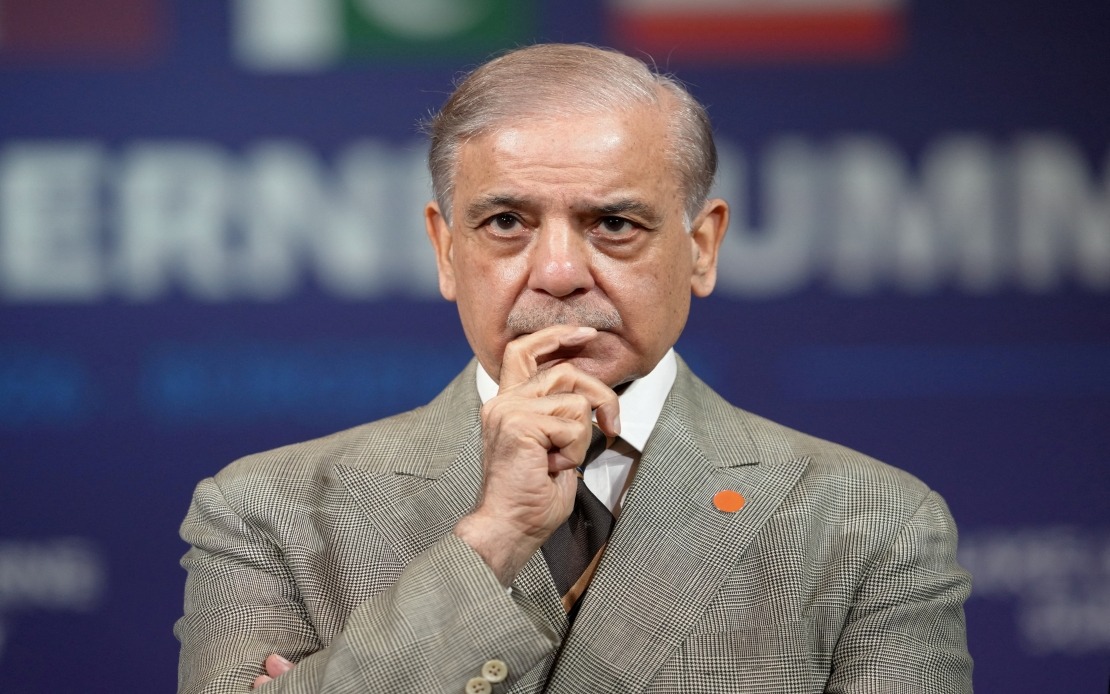
Pakistan's Prime Minister Shehbaz Sharif has confirmed that the United States and Iran will enter into comprehensive technical discussions within the next 60 days to address longstanding disputes over nuclear programmes, ballistic missiles, and frozen Iranian assets. Speaking in the National Assembly in Karachi on Tuesday, Sharif outlined the framework for renewed engagement between the two nations, which have remained at loggerheads for decades over Tehran's nuclear ambitions and Washington's sanctions regime.
The announcement follows the signing of the Islamabad Memorandum of Understanding on June 17, which was brokered with Pakistan's involvement as a mediator alongside Qatar. This diplomatic development represents a significant shift in the trajectory of US-Iran relations, particularly given the escalating tensions that have characterised recent months. Sharif expressed optimism that the technical discussions would yield concrete progress, suggesting that the preliminary understanding could be transformed into a durable long-term agreement within the 60-day window.
Earlier talks held in Burgenstock, Switzerland, which concluded on Monday morning, reportedly established several operational mechanisms designed to facilitate further negotiations toward a comprehensive settlement. These mechanisms appear intended to create structured channels for dialogue and to establish clear timelines for resolving the core contentious issues between Washington and Tehran. The involvement of Pakistan and Qatar as mediators underscores the regional dimension of these negotiations, reflecting how Middle Eastern stability concerns extend across South Asia.
For Malaysian readers and broader Southeast Asian observers, the implications of renewed US-Iran diplomacy warrant careful attention. The region's economic ties to both nations, particularly through energy imports and trade relationships, mean that shifts in their bilateral relationship have tangible consequences for regional markets. Any escalation or de-escalation of tensions in the Persian Gulf directly influences shipping lanes vital to Malaysian commerce and global petroleum pricing structures that affect the entire region's economic health.
However, complications to the diplomatic process have already emerged. Iran's Foreign Ministry issued a statement on Tuesday asserting that its ballistic missile programme was never part of the Switzerland discussions and remains outside the scope of pending negotiations. Spokesman Esmaeil Baghaei explicitly rejected any suggestion that Tehran would permit International Atomic Energy Agency inspectors to visit nuclear facilities that were previously targeted during military operations by the United States and Israel. This posture indicates that Iran maintains firm red lines regarding its security infrastructure, even as it engages in dialogue.
The divergence between Pakistan's optimistic framing of talks and Iran's more circumscribed statements reveals the delicate balancing act required to sustain momentum in these negotiations. While Pakistani officials emphasise the historic nature of the progress achieved and the roadmap agreed upon, Iranian officials are signalling constraints on how far they will permit external scrutiny of their nuclear and military capabilities. These contradictory signals suggest that the 60-day window will be consumed by intensive bargaining over precisely which issues can be addressed and which remain non-negotiable for each side.
The question of frozen Iranian assets represents another substantial challenge. These assets, held in foreign banks and frozen under international sanctions regimes, constitute billions of dollars that Tehran views as rightfully belonging to the Iranian state. Resolving the technical and legal mechanisms for accessing or releasing these funds will require intricate negotiations involving not just Washington and Tehran, but also the financial systems of multiple countries that have implemented sanctions compliance measures.
For Malaysia's position as a Southeast Asian nation with diplomatic channels across the Middle East and Western spheres, these developments create both opportunities and uncertainties. Should the US-Iran negotiations succeed in establishing a framework that reduces tensions in the Persian Gulf, regional stability would improve, potentially reducing risks to Malaysian shipping and energy security. Conversely, if negotiations collapse, the resulting escalation could trigger economic disruptions that ripple through Southeast Asian markets.
Pakistan's active mediation role also carries significance for Southeast Asian foreign policy observers. Islamabad's influence in facilitating dialogue between Washington and Tehran reflects its geographic position and historical relationships with both sides. The success of Pakistani-led mediation could enhance Pakistan's standing as a constructive regional actor, particularly if it contributes to stabilising one of the world's most volatile geopolitical flashpoints.
The technical discussions promised over the next 60 days will likely focus on establishing verification mechanisms, timelines for sanctions relief, and frameworks for monitoring compliance with any eventual agreement. These are complex matters requiring expertise in nuclear science, international law, and financial regulation. The fact that both sides have committed to discussing them within a defined timeframe suggests genuine determination to pursue diplomatic resolution, though numerous obstacles remain in the path toward a permanent accord.
Prime Minister Sharif's statement to lawmakers emphasises Pakistan's investment in this process and its confidence that the current trajectory can yield positive outcomes. Yet the simultaneous hardening of Iran's public statements on red-line issues suggests that negotiators in the coming weeks will face persistent challenges in narrowing the gap between the two sides' maximalist positions. The international community, including Southeast Asian governments with stakes in regional stability, will be watching closely whether the 60-day window produces substantive breakthroughs or merely postpones inevitable disagreements.