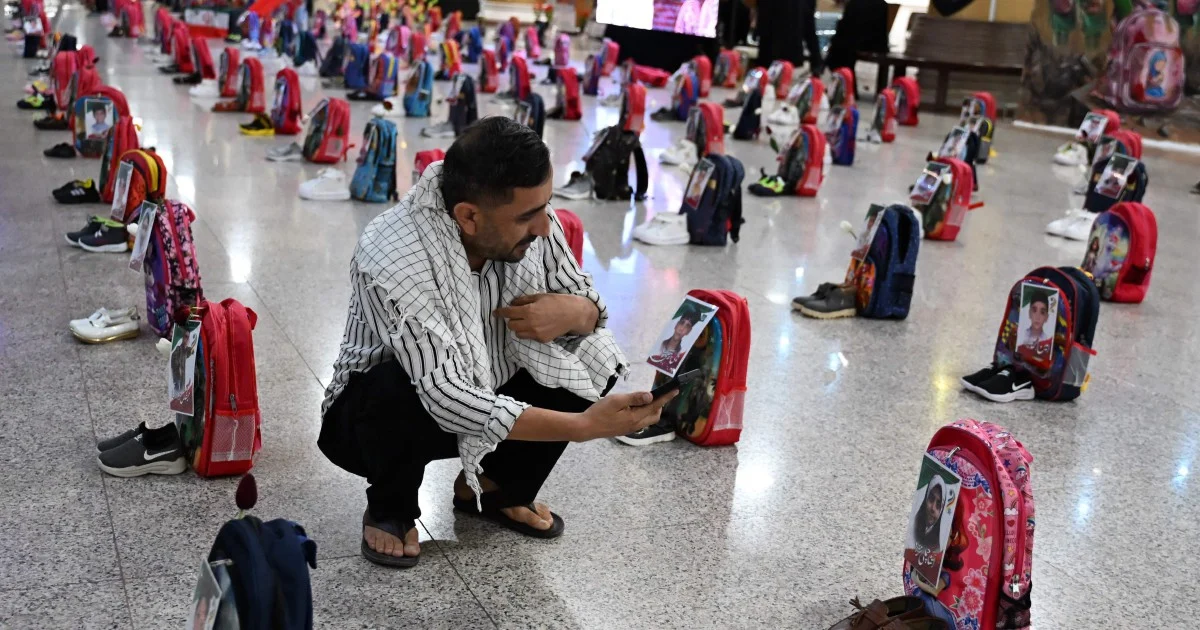
Democratic senators have intensified pressure on the Trump administration to shed light on a contentious military operation involving Iran, demanding swift public disclosure of an investigation into a February 28 strike that targeted a girls' school in the country. Led by Kirsten Gillibrand, the group has given the Pentagon one week to release its findings, signalling mounting congressional concern over transparency in military operations that may have affected civilian populations.
The February 28 operation represents a significant flashpoint in ongoing US-Iran tensions, with the strike raising immediate questions about military protocols, intelligence accuracy, and adherence to international humanitarian law. Schools have traditionally been protected facilities under international conventions, making any military operation involving such institutions inherently controversial and subject to intense scrutiny. The timing of the strike coincides with an already volatile period in US-Iran relations, requiring careful investigation to establish the circumstances, justifications, and consequences of the action.
Gillibrand's leadership on this issue reflects broader Democratic party concerns about executive accountability regarding military operations overseas. Her involvement signals that the matter has transcended routine military operations to become a focal point for congressional oversight, particularly as lawmakers seek to establish whether established military protocols were followed and whether civilian casualties or damage occurred. The demand for transparency within a specific timeframe suggests frustration with the pace of official disclosure to date.
The Pentagon's investigation holds significant implications for how the US military conducts operations in sensitive geopolitical contexts. The inquiry will likely examine intelligence assessments that informed the strike decision, the selection and execution of the operation, and post-strike damage assessments. These findings could shape future military protocols and standards for civilian protection in countries with complex security environments. For regional observers, the investigation's conclusions may indicate whether the US military prioritizes civilian safeguarding in its operations.
From a Malaysian and Southeast Asian perspective, this controversy underscores the broader importance of military accountability in international relations. Countries throughout the region maintain interests in Middle Eastern stability and are invested in establishing norms that constrain military actions against civilian infrastructure. The outcome of this investigation could influence regional views on how powerful nations conduct military operations and whether civilian protection standards are genuinely prioritised or treated as secondary considerations.
The one-week deadline imposed by the senators represents an attempt to prevent the Pentagon from indefinitely delaying public disclosure. Military investigations can extend over months or even years, and setting a specific timeline indicates congressional determination to obtain answers quickly. This pressure reflects concerns that delayed or limited disclosure might allow public attention to fade, reducing the political cost of incomplete transparency. The aggressive timeframe suggests Democratic lawmakers believe the investigation is substantially complete and withholding findings serves no legitimate purpose.
The investigation's scope remains a critical question for observers seeking to understand what exactly will be disclosed. Pentagon investigations into operations typically examine technical aspects, command decisions, and adherence to rules of engagement, but the extent to which civilian impact assessment figures prominently in such inquiries varies considerably. The senators' demand implies they expect comprehensive findings addressing not merely operational mechanics but also the humanitarian dimensions of the strike. The nature of information actually released will signal whether accountability extends to civilian protection.
Trump administration officials have not yet publicly indicated whether they intend to comply with the one-week timeline. The administration's response will determine whether this becomes a significant confrontation between Congress and the executive branch over military transparency, or whether quick disclosure defuses the controversy. The political calculation facing administration officials involves weighing congressional pressure against potential diplomatic or military concerns about revealing operational details. Recent administrations have sometimes resisted transparency demands citing national security grounds.
The broader context involves recurring questions about how civilian casualties and damage to civilian infrastructure factor into military decision-making and post-operation reviews. International humanitarian law imposes strict obligations regarding civilian protection, requiring militaries to distinguish between legitimate military targets and civilian areas, and to ensure that anticipated civilian harm does not exceed anticipated military advantage. Whether such considerations feature prominently in Pentagon investigations and how they influence findings remains contested.
For international observers, the handling of this investigation carries symbolic weight regarding American commitment to established norms governing military conduct. Middle Eastern countries, including allies and regional competitors, will monitor how the US responds to demands for investigation findings. The outcome could influence perceptions of American willingness to apply consistent standards for accountability across different operational contexts and geographies. Transparency in this instance carries diplomatic implications extending beyond the immediate situation.
The senators' demand also reflects ongoing congressional frustration with executive branch resistance to oversight regarding military operations. Successive administrations have consistently sought to limit congressional involvement in military decisions, citing command authority and operational security. This particular demand represents another iteration of longstanding institutional tensions between legislative and executive branches over control and transparency regarding military affairs. The specific deadline suggests lawmakers will accept neither indefinite delay nor vague assurances of future disclosure.

