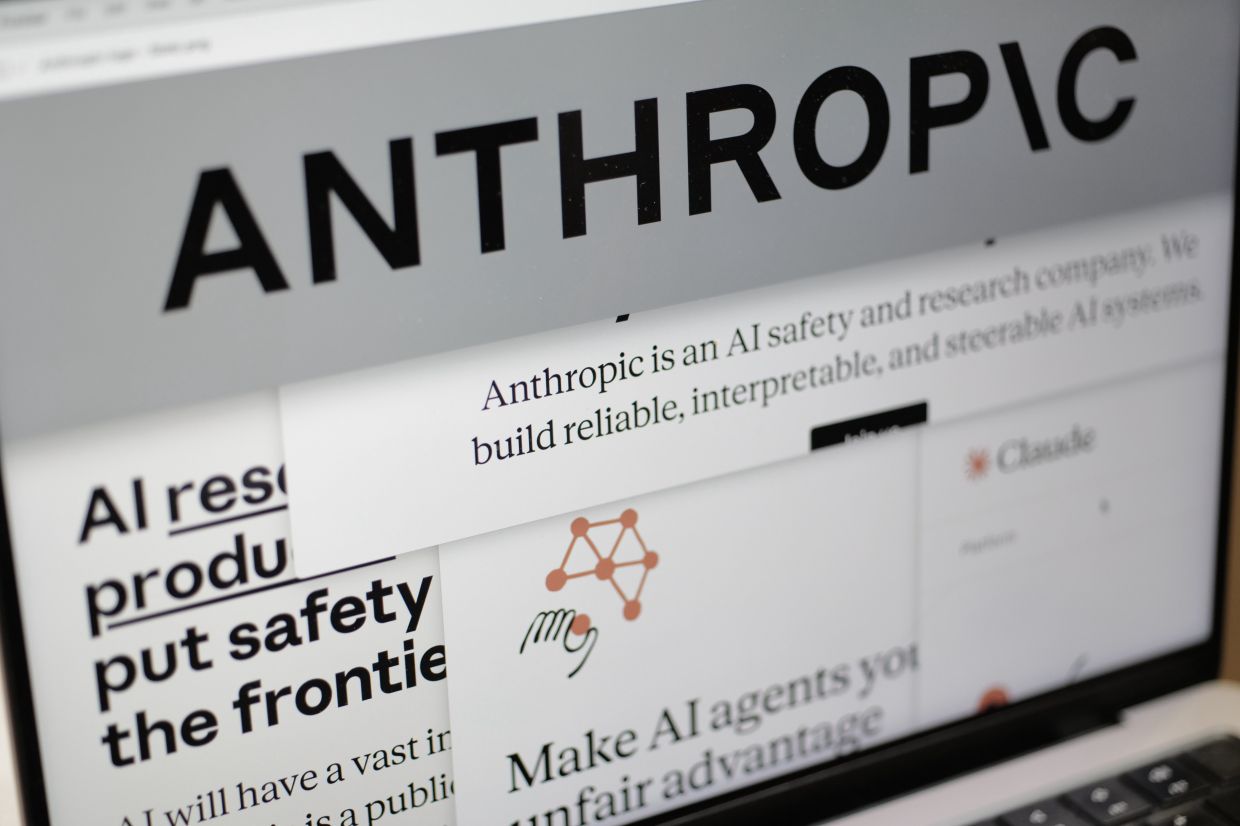
A US-based artificial intelligence startup has turned to federal court to challenge new government restrictions that prevent access to Anthropic's most sophisticated AI technology for foreign nationals. The legal challenge, filed on June 23 in Washington federal court, represents an early test case of how export controls on frontier AI models will affect American companies that rely on this technology for their operations and competitive positioning.
The plaintiff, Legion, develops litigation-support software designed to help legal professionals manage cases more efficiently. The company's particular vulnerability stems from its workforce composition: while headquartered in the United States, several of its core software development employees are Canadian nationals who perform their work from Canada. This arrangement, once unremarkable in an increasingly borderless tech industry, has become problematic under new government directives that effectively deny these workers access to Anthropic's latest models.
Anthropin's response came swiftly and dramatically. Less than two weeks before the lawsuit was filed, the creator of the Claude and Mythos AI systems disabled access to its two most advanced offerings—Fable 5 and Mythos 5—in compliance with a Trump administration export control order. The decision forced Legion to abruptly lose what the company describes as "the latest tool at the centre of its development instantaneously." For a firm operating in the competitive artificial intelligence sector, such disruption threatens far more than temporary inconvenience; Legion argues the impact is existential.
The timing of Anthropic's compliance was striking because it came before Commerce Secretary Howard Lutnick formally notified Anthropic Chief Executive Officer Dario Amodei that the company would require government permission to export Fable 5 and Mythos 5 models beyond US borders or to provide them to foreign nationals regardless of where they work. This preemptive shutdown reflects the broader uncertainty surrounding how these new rules will be interpreted and enforced, creating a chilling effect on US companies that employ international talent.
Legion's court filing articulates a specific argument about the nature of competitive disadvantage in artificial intelligence development. The company contends that the rapid pace of AI advancement means that even temporary loss of access to cutting-edge models cannot be recovered. Unlike traditional technology sectors where catching up might be possible through sustained effort, the AI landscape moves so quickly that any gap in access to the frontier models during critical development phases represents permanent lost capability. As Legion stated in its filing, "each day the directive remains in force disrupts Legion's product, operations, sidelines its engineers, and erodes the company's ability to survive in a field defined by continuous access to the most capable models."
For Malaysian readers and Southeast Asian technology professionals, this dispute illustrates a wider tension reshaping the global AI industry. American companies face pressure to restrict access to their most advanced systems based on employee nationality and work location, not security concerns or technical specifications. This creates practical complications for multinational technology firms and raises questions about how companies with distributed workforces across multiple countries can maintain competitive capability when access to essential tools depends on employee citizenship rather than role or clearance status.
Anthropin's official response to the lawsuit reveals the delicate position major AI developers occupy between government pressure and business interests. A company spokesperson stated that Anthropic is "grateful to the administration" for attempting to resolve the situation rapidly, while reaffirming commitment to "working alongside the government towards our shared goals of protecting critical infrastructure and making sure the US leads in AI." This carefully worded statement suggests Anthropic views compliance as necessary even while the broader implications damage its customer relationships.
The Commerce Department and White House have not yet responded substantively to Legion's legal challenge, nor have they clarified how broadly these export restrictions will apply across the AI industry. This uncertainty creates particular headaches for Southeast Asian technology firms and professionals with US-based operations or partnerships dependent on advanced AI tools. Companies with international teams now face unexpected barriers to accessing technology that was previously available without restriction.
Legion's lawsuit raises fundamental questions about how export control regimes established for national security purposes interact with commercial reality in an industry where talent flows across borders as routine practice. The government argues these restrictions protect critical infrastructure and maintain American technological leadership. Legion counters that excluding Canadian nationals working from Canada from access to AI models does little to achieve either goal while significantly harming legitimate American business operations.
The case will likely establish important precedent for how federal courts interpret export restrictions in the AI sector during the coming years. If Legion prevails, the government may need to narrow or modify its approach to these controls. If the administration's position holds, American companies will face increasing pressure to segregate their international workforce from their most valuable technological assets, potentially fragmenting development teams and reducing efficiency.
For the broader technology ecosystem in Southeast Asia, this dispute signals that access to frontier AI tools may increasingly depend on factors beyond technical merit or business need. Companies and professionals in the region should anticipate that partnerships with US-based AI developers may come with unexpected complications regarding which team members can access which tools based on nationality. The Legion case thus represents more than a single company's grievance; it marks an important inflection point in how governments are beginning to exert control over the most advanced artificial intelligence capabilities.

