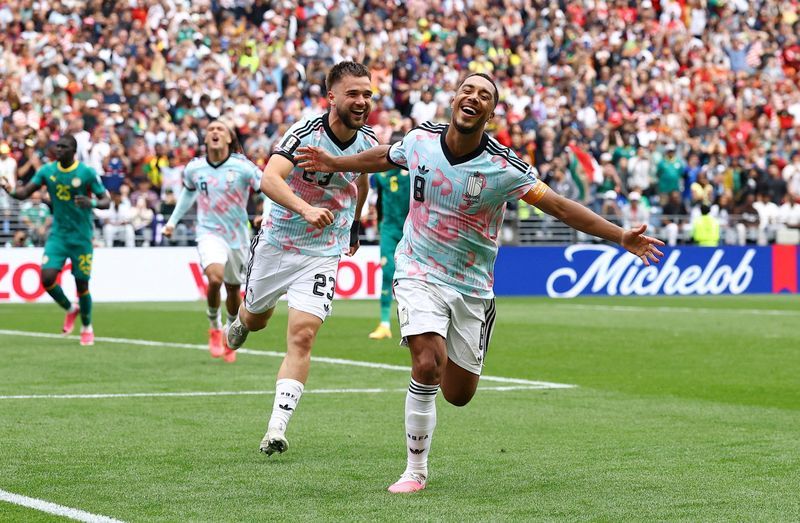
The United States prepares for a pivotal World Cup match against Belgium in Seattle, with the American team riding a wave of momentum that has transformed initial modest expectations into genuine hopes of a substantial tournament run. What began as a campaign where merely reaching the knockout stages would represent success has evolved dramatically following consecutive victories and performances that have captured the attention of sports fans nationwide. The meeting at one of professional football's most intimidating stadiums will provide a charged atmosphere as Mauricio Pochettino's squad attempts to overcome a Belgian side laden with experience from multiple World Cup campaigns.
American supporters entered the tournament viewing qualification from the group stage as a realistic objective, reflecting the historical struggles of the national team in major competitions. However, the pathway has unfolded more favourably than anticipated, with the squad dispatching Paraguay and Australia before pulling off a notable feat against Bosnia, securing a 2-0 victory despite being reduced to ten players for the final 36 minutes of that encounter. These performances have fundamentally altered the narrative surrounding the American campaign and generated palpable enthusiasm about what this generation of players might accomplish on home soil.
Belgium arrives in Seattle as a fundamentally different proposition, representing one of Europe's most storied footballing nations yet entering this knockout stage with considerable question marks surrounding their form. The European side has navigated their path to the last sixteen in unconvincing fashion, notably requiring a dramatic late recovery against Senegal to progress. That match saw Belgium trail for most of the encounter before scoring two goals to level the contest, with a VAR-assisted penalty decision in extra time proving decisive and leaving the African side feeling aggrieved by the outcome. Such a trajectory raises questions about whether the Belgian squad possesses the consistency and control necessary to overcome an increasingly confident American team.
The broader context of this matchup carries particular significance for Belgium, as this World Cup may represent the final international tournament for the nation's celebrated "Golden Generation" of players. The squad features world-class performers including Kevin De Bruyne, Romelu Lukaku, and Thibaut Courtois, all of whom have spent their careers chasing World Cup glory. For these veterans, time is running short to capture the tournament's ultimate prize, and a defeat to the United States would represent a missed opportunity to add to their individual legacies at the global stage.
The American defensive unit enters this contest with renewed confidence following their display against Bosnia, particularly after questions about their vulnerability had dominated pre-tournament discussions. That performance suggested the backline possesses the solidity and organisation required to frustrate experienced attacking sides. However, they will face a significant examination in Jeremy Doku, the Belgian winger whose contribution has been subdued throughout the tournament thus far. Doku represents precisely the type of explosive attacking talent capable of breaking down defensive structures, and many observers anticipate a breakout performance from the Belgian player in this fixture.
This encounter carries undeniable historical resonance for both nations, echoing a 2014 World Cup meeting in Brazil where Belgium triumphed in the round of sixteen after extra time. That previous clash remains seared in American memory, particularly for Tim Howard's extraordinary goalkeeping display, the goalkeeper making sixteen saves in a match that saw the United States stage a late rally that ultimately fell tantalizingly short. The opportunity for redemption and progression beyond the point where they fell before has added emotional weight to this matchup for the American contingent.
The Americans will navigate the contest without their striker Folarin Balogun, whose suspension following a red card received in the Bosnia match removes a key offensive weapon from the arsenal. Balogun had demonstrated his importance by scoring in the first half of that previous encounter, only to be dismissed in the second period, forcing Pochettino to undertake significant tactical reassessment for the Belgian challenge. The absence of this player creates a selection dilemma for the American coaching staff as they determine their optimal attacking configuration.
The strategic implications extend beyond individual player availability to encompass the broader tactical direction both teams will pursue. The United States will likely seek to establish midfield control and prevent Belgium from building the flowing attacking patterns that European teams typically favour. Conversely, Belgium must prevent the American team from translating their improved confidence into tangible attacking threat, a challenge rendered more difficult by the psychological burden of potentially being eliminated by an opponent they have previously dismissed.
For American football and the sport's broader development in the United States, this tournament has already achieved significant success in capturing national attention and generating enthusiasm that extends beyond the traditional soccer audience. Should the team extend their campaign into the quarter-finals, that trajectory would accelerate substantially, providing additional impetus for football's continued growth in American sporting consciousness. The symbolic importance of advancing past this stage cannot be overstated, representing not merely a sporting achievement but a marker of developmental progress for the national programme.

