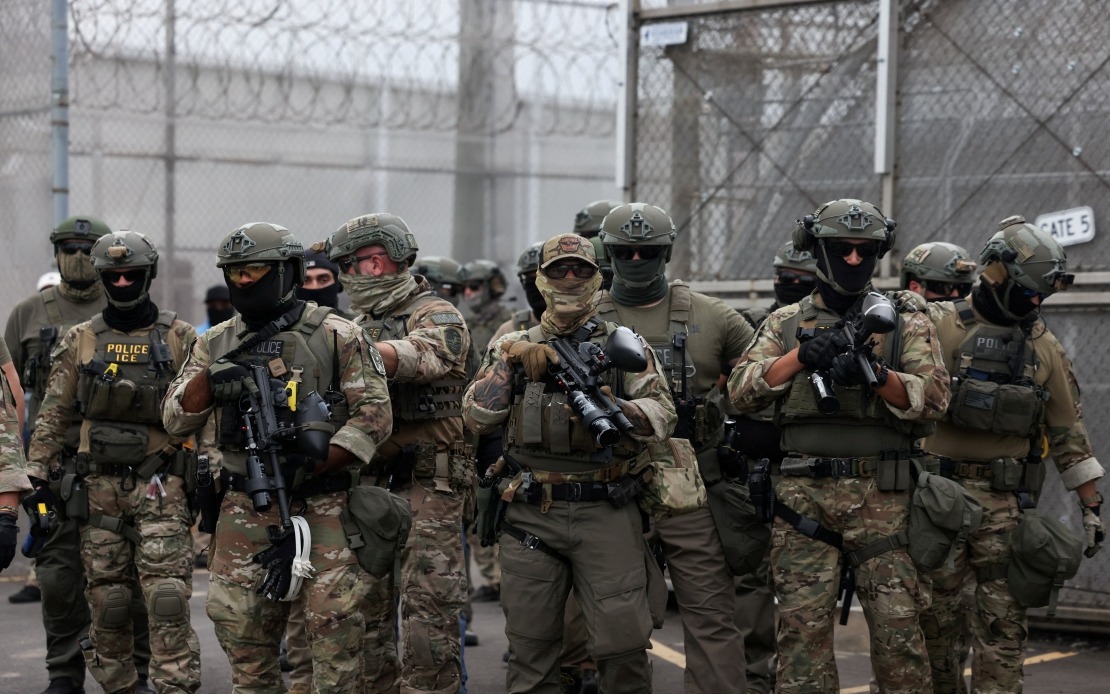
A federal judge in California has issued a nationwide injunction preventing United States Immigration and Customs Enforcement from conducting arrests at immigration courthouses, delivering a significant legal setback to the Trump administration's intensified deportation enforcement strategy. The ruling applies to all immigration courts across the country and effectively dismantles a controversial practice that had seen ICE officers detain migrants within and around courthouse facilities, sometimes before their legal proceedings had concluded.
Immigration courts operate as specialised venues where judges hear cases involving non-citizens facing potential removal from the United States. These proceedings are fundamental to the American immigration system, providing migrants with opportunities to contest deportation orders and present their legal defences. The courthouse environment is meant to function as a neutral space where both government prosecutors and migrant representatives can present evidence and arguments before an impartial judge.
The practice of conducting arrests at courthouses became more widespread during Trump's first term but was substantially expanded when the administration resumed office earlier this year. Immigration enforcement officials introduced revised guidelines at the beginning of 2025 that explicitly emphasised the operational and strategic advantages of conducting arrests in courthouse settings. These guidelines represented a deliberate policy shift, moving away from previous restrictions that had generally discouraged such arrests based on prosecutorial discretion principles.
The federal judge's decision centres on procedural deficiencies in how the government implemented this policy change. According to the ruling, ICE failed to adequately evaluate or document the potential adverse consequences of permitting courthouse arrests, nor did the agency provide a thorough explanation for why the new approach would serve the government's legitimate enforcement interests better than existing alternatives. This absence of reasoned analysis made the policy legally vulnerable under administrative law standards that require government agencies to justify significant departures from previous practice.
Civil rights advocates and immigration legal organisations have consistently argued that courthouse arrests create powerful disincentives for migrants to attend their scheduled hearings. When individuals fear they will be detained upon entering a courthouse, many choose instead to remain in hiding, effectively disappearing from the legal system. This phenomenon undermines the functioning of immigration courts themselves, as judges cannot conduct fair proceedings without the presence of the individuals whose cases they must decide. The chilling effect on court attendance also prevents migrants from accessing legal representation and presenting evidence that might support their cases.
The Trump administration's embrace of this enforcement tactic reflects a broader philosophy emphasising maximum removals and aggressive interior enforcement. By widening the locations where ICE officers can make arrests, the government sought to increase the number of undocumented migrants detained and placed into removal proceedings. However, the California judge's decision suggests that such expansions must still comply with procedural requirements and cannot simply be announced through new guidelines without documented analysis of their consequences.
For Southeast Asian readers, this ruling carries implications regarding how immigration systems balance enforcement and due process. Malaysia and neighbouring countries have grappled with similar tensions in managing irregular migration, though through different legal frameworks and enforcement mechanisms. The American experience demonstrates how courts can serve as checks on executive immigration authority, a principle with potential relevance across the region as countries develop immigration policies and institutional safeguards.
The decision also reflects ongoing American judicial scrutiny of Trump administration immigration policies. Since returning to office, the administration has faced multiple legal challenges to its enforcement directives, and several courts have issued preliminary injunctions blocking or limiting specific practices. This particular ruling joins a growing body of judicial decisions questioning whether the government has followed proper procedures in implementing its immigration agenda.
Ice officials will now face restrictions when operating in courthouse areas, though the ruling does not prevent arrests elsewhere. Immigration enforcement continues in homes, workplaces, and other locations. However, the courthouse has represented a particularly sensitive venue for enforcement because of its role as the site of legal proceedings affecting migrants' fundamental rights. The judge's decision essentially recognises that courthouses occupy a special category in the immigration enforcement landscape.
The Biden administration had previously maintained a policy discouraging courthouse arrests, viewing such enforcement as counterproductive to the goal of ensuring court attendance and upholding judicial fairness. However, the Trump administration explicitly reversed this approach, reflecting a philosophical difference regarding how to prioritise enforcement intensity against concerns about due process implications. The federal court has now intervened to reinstate protections for courthouse neutrality.
Immigration law experts note that this decision will likely face further legal challenges as the Trump administration considers whether to appeal or seek modifications to the order. The case touches on fundamental questions about the scope of executive authority over immigration enforcement, the rights of migrants in legal proceedings, and the proper balance between security and fairness in a judicial system. As the litigation continues, immigration courts and enforcement agencies across the country will operate under the judge's nationwide order.