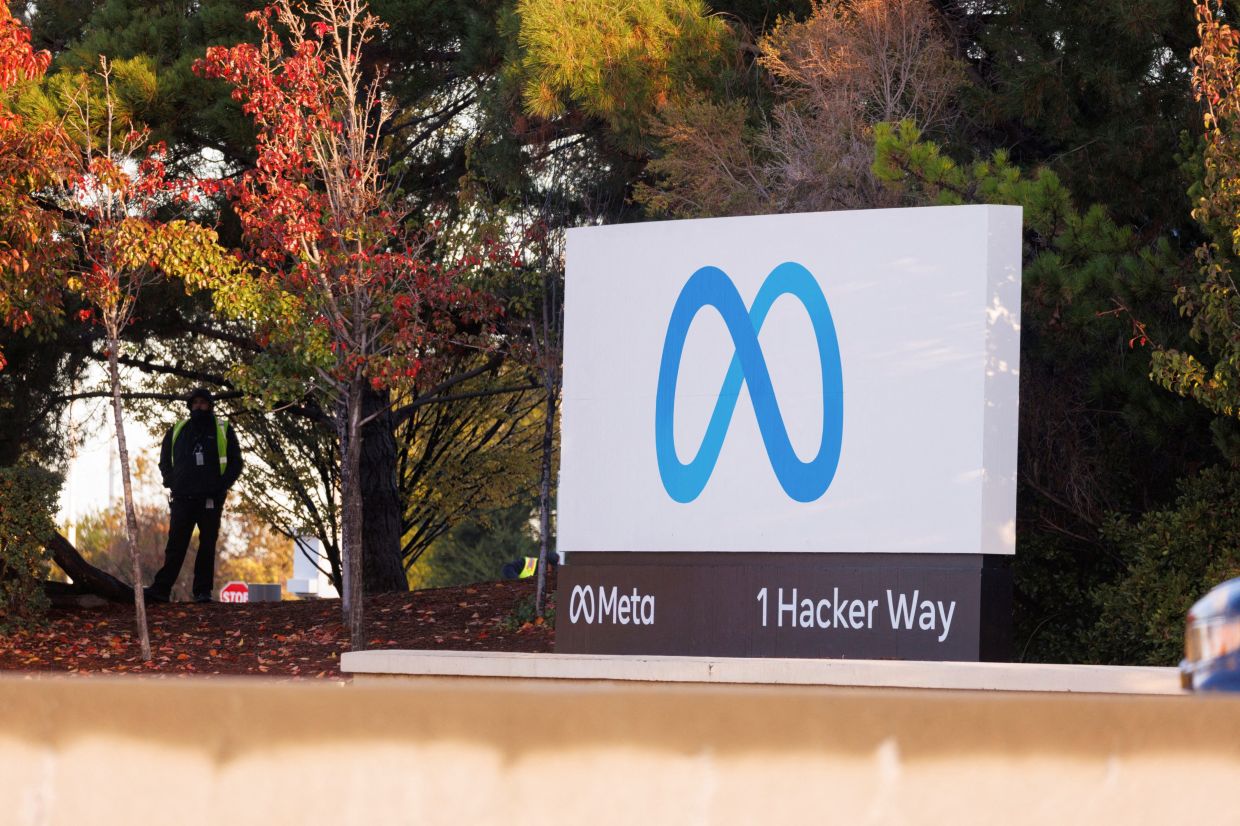
A United States federal judge has ruled that Meta actively concealed and destroyed evidence in a lawsuit brought by a prominent Australian mining tycoon over fraudulent cryptocurrency advertisements that exploited his image, a finding that could significantly weaken the social media platform's legal position in the case. Judge P. Casey Pitts determined that the company deliberately eliminated or permitted the destruction of essential data, thereby causing material harm to the plaintiff. The discovery of this evidence destruction comes as Meta faces mounting legal challenges globally, including recent losses in cases involving platform design and harm to minors.
The Australian billionaire has accused Meta of enabling a sprawling fraud operation through its Facebook and Instagram platforms, where thousands of deceptive advertisements bearing his likeness have promoted bogus cryptocurrency schemes since 2019. The scam advertisements have victimised thousands of users, generating substantial financial losses for people who believed they were investing in legitimate opportunities. The plaintiff's legal team contends that Meta bore direct responsibility for the fraudulent content not merely as a passive platform but as an active participant in its distribution and monetisation.
Central to this argument is evidence that Meta's artificial intelligence systems and algorithmic tools were employed to refine, optimise, and personalise the fraudulent advertisements before they reached potential victims. The plaintiff's lawyers assert that by leveraging these proprietary technologies to enhance the effectiveness of scam content, Meta transformed its role from neutral intermediary to active facilitator of fraud. This distinction carries profound legal implications, as it directly challenges Meta's reliance on Section 230 of the Communications Decency Act, the 1996 federal law that shields internet companies from liability for user-generated content posted on their platforms.
Meta's assertion that it required two years to locate the relevant data within its own systems drew particular scepticism from Judge Pitts. The company claimed it needed an extended discovery period to identify and compile the information, yet the judge dismissed this explanation as fundamentally implausible. Pitts observed that it strains credibility to suggest Meta itself could be ignorant of data housed within its own technological infrastructure for such an extended timeframe. The judge's incredulity underscores a broader tension in how technology giants manage their vast data repositories and the expectations courts now place on them regarding document preservation and production.
While the judge stopped short of finding wilful intent to harm the plaintiff, Pitts characterised Meta's conduct as constituting "gross negligence," a standard that implies reckless disregard for legal obligations and the rights of others. This determination, though falling short of intentional misconduct, nonetheless signals judicial disapproval of the company's handling of evidence and its apparent indifference to the consequences of data destruction. The distinction between gross negligence and intentional destruction is not merely semantic; it carries weight in how courts assess penalties and establish patterns of corporate behaviour.
The destroyed data represents perhaps the most critical component of the plaintiff's legal strategy. That information would presumably demonstrate precisely how Meta's proprietary tools and algorithms functioned to reshape and amplify the fraudulent advertisements, thereby providing concrete evidence that the company exercised editorial control over the content in question. Such documentation would substantially undermine Meta's Section 230 defence, since the statute's protections extend only to platforms that function as passive hosts rather than active editors or curators of content. Without this evidence, proving Meta's active participation becomes considerably more challenging, making the data destruction particularly consequential.
The case remains in its preliminary stages, with Meta expected to file a motion seeking dismissal before the end of the year based on its Section 230 immunity claim. This imminent hearing will likely prove decisive in determining whether the lawsuit proceeds to substantive litigation or is terminated at an early stage. The judge's finding regarding evidence destruction may influence how the court evaluates Meta's credibility and the reasonableness of its immunity argument, particularly if the platform's handling of data is deemed negligent or obstructive.
Meta's legal position has deteriorated significantly across multiple jurisdictions and case types in recent months. The Massachusetts Supreme Judicial Court previously ruled that Section 230 does not shield Meta from liability in connection with Instagram's allegedly addictive design features that harm children. Additionally, juries in Los Angeles and Santa Fe, New Mexico, have found Meta liable this year for causing demonstrable harm to minors through platform design choices. These outcomes suggest a broader judicial shift toward holding technology companies accountable for the consequences of their design decisions and algorithmic systems, rather than accepting blanket immunity claims.
For Malaysian and Southeast Asian readers, this case illuminates the broader struggle between technology companies and regulators to establish accountability for digital harms. The region has witnessed similar fraudulent cryptocurrency schemes exploiting the likenesses of prominent figures and using sophisticated targeting mechanisms to deceive users. The ruling that Meta cannot claim immunity when actively deploying its tools to enhance fraudulent content resonates with growing calls in Malaysia, Singapore, and other countries for stricter platform accountability. As regional governments consider tighter regulation of social media companies, the weakening of Section 230 defences in US courts may provide precedent and momentum for Southeast Asian jurisdictions to assert stronger oversight.
The case also highlights how the destruction of digital evidence can undermine corporate immunity claims in modern litigation. As courts increasingly scrutinise technology companies' handling of data and algorithmic operations, the preservation of comprehensive records becomes a critical liability issue. Meta's apparent inability or unwillingness to maintain clear documentation of its systems' operations may prove more damaging to its legal strategy than the underlying allegations themselves, establishing a cautionary precedent about the evidentiary consequences of inadequate data governance.
The precedent emerging from Judge Pitts' ruling reflects a judicial recognition that immunity statutes drafted in 1996 require reinterpretation in light of sophisticated algorithmic systems and machine learning technologies that bear little resemblance to the simple user-posting mechanisms originally contemplated by the law's drafters. As the case progresses toward the anticipated year-end motion hearing, it will likely produce additional rulings that clarify the boundaries of platform immunity and the circumstances under which technology companies can be held accountable for the content they algorithmically amplify and monetise.

