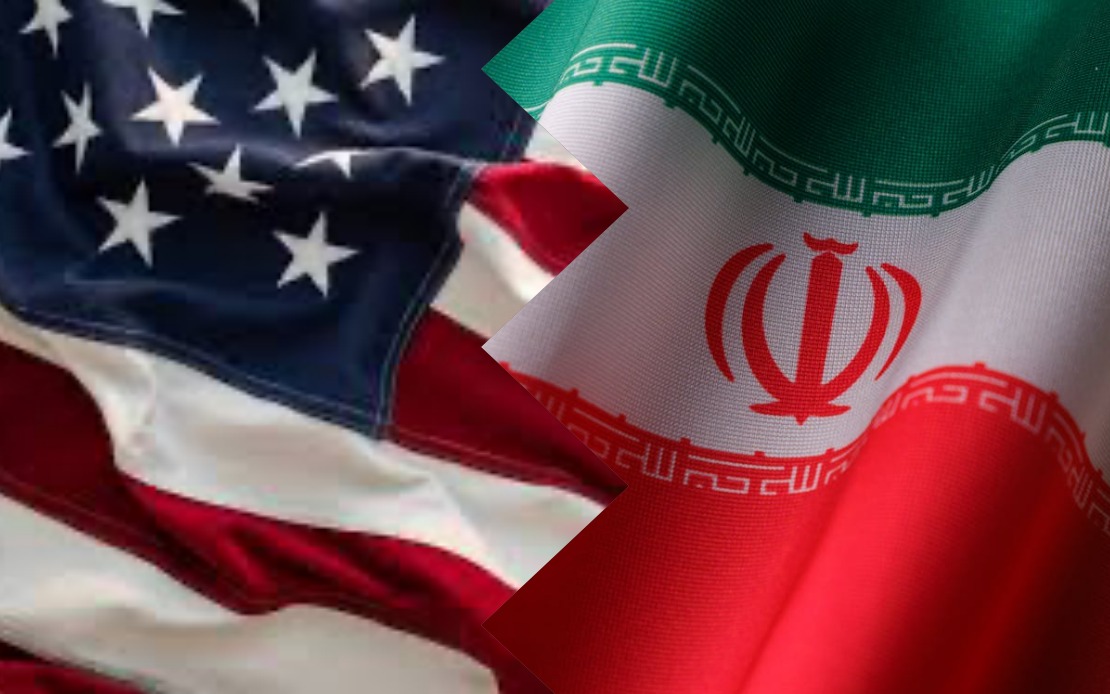
American military forces executed a fresh wave of strikes targeting Iranian military installations on Wednesday afternoon, according to the US Central Command, as hostilities between Washington and Tehran intensify despite diplomatic efforts to contain the conflict. The operations, ordered at President Donald Trump's direction, represent the continuation of military action against Iran just days after the initial assault. The timing underscores the rapidly deteriorating security situation in the Middle East and raises concerns about potential wider regional instability that could reverberate across global energy markets and international commerce.
Central Command identified the primary objective of these operations as Iranian military capabilities deemed responsible for threatening international shipping traversing the Strait of Hormuz. This critical waterway, squeezed between Iran and Oman, serves as a chokepoint through which approximately one-third of the world's seaborne traded petroleum passes daily. Any prolonged military confrontation in this region carries profound implications for global energy security and commodity prices, matters of considerable concern for oil-importing nations throughout Southeast Asia, including Malaysia.
The White House framed the military action as a necessary measure to hold Tehran accountable for activities that Washington regards as destabilising to regional maritime commerce. Trump issued a fresh warning to Iranian leadership earlier Wednesday, emphasizing that the United States had clearly communicated its position and expectations. The language employed suggested a hardline approach aimed at compelling Iranian compliance through military pressure rather than negotiated settlement, though administration officials did not explicitly close the door to future diplomatic engagement.
These latest strikes represent only the newest chapter in a cycle of escalating military exchanges between the two adversaries. The underlying tensions stem from February's joint US-Israeli military operations against Iranian targets, which Tehran responded to with direct retaliation. That initial escalation set in motion a dangerous pattern wherein each side's military actions prompted counter-responses, creating momentum toward further conflict despite stated intentions to avoid wider war.
Particularly noteworthy is the continued deterioration of diplomatic channels despite a Pakistan-mediated memorandum of understanding reportedly negotiated to de-escalate tensions and end hostilities. The fact that military operations have resumed even with this diplomatic framework ostensibly in place suggests either that the agreement has proven ineffective or that fundamental disagreements remain unresolved. The involvement of Pakistan as mediator reflects Islamabad's broader regional interests and its efforts to prevent escalation that could destabilise South and West Asia.
For Malaysia and other Southeast Asian nations, the resurgence of US-Iran military confrontation presents multiple challenges. Beyond the direct threat to energy security through potential disruption of Strait of Hormuz shipping, regional states face pressure to navigate between their strategic relationships with both the United States and Iran. Malaysia maintains commercial ties with both nations and has sought to position itself as a neutral voice in regional disputes, making the escalation diplomatically problematic.
The military strikes also underscore broader uncertainty about American foreign policy direction under Trump's administration. The decision to launch a second wave of operations without evidence of an intervening Iranian provocation suggests a more aggressive posture toward Tehran than might have been anticipated. This raises questions about the administration's strategic objectives beyond immediate operational concerns, particularly regarding the scope and duration of military activities planned against Iran.
Global commodity markets reflected the military developments, with crude oil prices responding to the heightened geopolitical risk. For an energy-dependent region like Southeast Asia, where multiple nations rely heavily on petroleum imports, sustained conflict risks inflationary pressures on fuel and energy costs that could ripple through broader economies and affect consumer prices for transportation and electricity.
The strikes also expose the fragility of international efforts to manage great power competition in the Middle East. The engagement of Pakistan as mediator indicates recognition that unilateral American action risks broader regional complications, yet the resumption of military operations suggests that diplomatic restraint has limited traction when fundamental strategic interests diverge. This dynamic mirrors challenges in Southeast Asia where external powers seek influence and local states attempt to maintain strategic autonomy.
Moving forward, the trajectory of US-Iran military escalation will likely depend on whether either side calculates that the costs of continued confrontation outweigh strategic benefits. Historical precedent suggests that direct military exchanges between the two nations have occasionally been followed by de-escalation, though not consistently. The presence of proxy forces and aligned regional actors complicates calculations, as actions by non-state groups aligned with either side could trigger unintended spirals of retaliation.
For Southeast Asian policymakers and business leaders, the immediate concern centres on protecting regional economic interests while avoiding entanglement in broader US-Iran conflicts. The dependence on stable maritime trade through global chokepoints like the Strait of Hormuz makes regional nations inherently vulnerable to disruption, regardless of their stated neutrality. Recent weeks have demonstrated that diplomatic pressure alone may prove insufficient to restrain military operations once senior leadership commits to military action as a policy instrument.

