Two prominent Congressional figures have appealed to America's Justice Department to launch a comprehensive investigation into a break-in at a California museum honouring the 1989 Tiananmen Square demonstrations, raising concerns about potential foreign interference and intimidation of Chinese diaspora communities. The bipartisan request, delivered on Thursday, targets what officials fear could be evidence of transnational repression aimed at silencing commemoration of sensitive historical events.
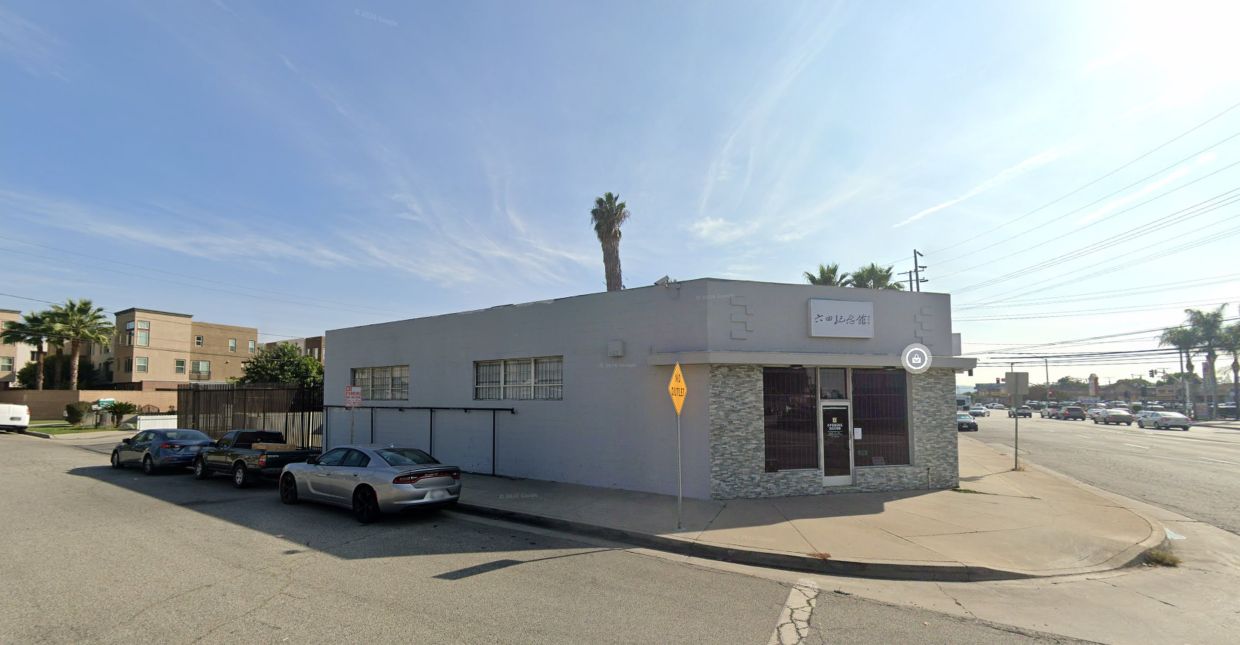
The June 4th Memorial Museum in El Monte, California, experienced an unauthorised entry on May 31, just days before the anniversary of the June 4, 1989 incident. Unknown intruders defaced walls and exhibits with spray paint, damaged property, and deliberately disabled the facility's surveillance systems. The museum's statement confirmed "serious damage to the museum's assets" and indicated staff suspected the incident represented a deliberate campaign of intimidation rather than ordinary vandalism. Online images showed methodical orange paint markings applied across framed newspaper displays and related exhibits.
John Moolenaar, a Michigan Republican leading the House Select Committee on China, and Christopher Smith, a New Jersey Republican co-chairing the Congressional-Executive Commission on China, jointly signed a three-page letter demanding federal action. Their appeal specifically requested that the Justice Department and FBI investigate whether the attack was orchestrated, encouraged, or supported by the People's Republic of China or the Communist Party. The lawmakers emphasised protecting the constitutional rights of Chinese-born Americans seeking political freedom and safe passage for their voices.
The museum represents a relatively recent initiative to preserve memory of an event that remains heavily censored within mainland China. Established in 2023, the institution initially opened in New York before relocating to Los Angeles to reduce operational expenses. The venue operates as a non-profit organisation relying entirely on independent fundraising, crowdsourced donations, and civil society contributions rather than government backing. An online artist collective reported raising US$500,000 toward an initial US$2 million fundraising target, though complete funding status remains unclear.
Chinese government spokesperson routinely dismiss Congressional bodies as "political tools with zero credibility" animated by "Cold War mentality" and "ideological bias," and the Chinese embassy in Washington declined immediate comment on the vandalism incident. This rhetorical pattern suggests Beijing will likely reject the Congressional inquiry as part of broader American antagonism rather than legitimate concern over criminal activity. The dismissal reflects deepening tensions surrounding how different nations commemorate contested historical episodes.
The House Select Committee on China, established in January 2023, operates with an explicit mandate to examine economic and security competition between the United States and China across multiple sectors. The Congressional-Executive Commission, created two decades earlier in 2000 following China's World Trade Organization accession, maintains a narrower focus on human rights and rule-of-law monitoring. Neither body possesses legislative authority but both conduct investigations, analyse policy implications, and submit formal recommendations to Congress and executive agencies.
Local law enforcement in El Monte has opened an active criminal case and begun investigation procedures. Museum officials stated they have identified "certain clues and points of doubt" and committed to cooperating fully with police to resolve the matter expeditiously. However, neither El Monte police nor the Justice Department immediately provided responses regarding any federal involvement or investigation timeline. This silence leaves unclear whether federal agencies view the incident as warranting resources or whether they consider it primarily a local matter.
The attack raises broader questions about the security environment surrounding diaspora communities and memory institutions across North America. Previous incidents have prompted concern that individuals sympathetic to Beijing may target spaces dedicated to sensitive historical topics, though definitive attribution remains difficult without completed investigations. The museum's own characterisation of the incident as potentially involving "transnational repression"—without elaborating specifics—suggests concern extending beyond simple vandalism to coordinated intimidation.
For Malaysian and Southeast Asian observers, the incident illustrates ongoing complications surrounding historical memory, especially regarding events that governments consider politically sensitive. The 1989 Tiananmen demonstrations remain a subject of careful navigation throughout the region, where multiple nations balance economic relationships with China against commitments to open discussion of international events. The Congressional response signals that American legislators intend to defend institutional space for such commemoration, potentially influencing how regional governments approach similar questions.
The broader diplomatic context matters significantly. US-China relations have deteriorated substantially since the House Select Committee's establishment, with escalating tensions over technology, trade, Taiwan, and military posturing. Congressional initiatives involving China increasingly receive framing through security lenses, and the Tiananmen museum incident now sits within this contested landscape rather than standing as an isolated criminal matter. Beijing's probable interpretation will emphasise perceived American instrumentalisation of historical grievances as anti-China political strategy.
The incident also highlights vulnerabilities faced by civil society organisations dependent on grassroots support rather than institutional backing. A museum relying entirely on crowdfunded donations operates without the security infrastructure or political protection that government-affiliated institutions might command. The El Monte location, chosen primarily for cost considerations, may lack the urban visibility or police presence that larger metropolitan centres provide, potentially making the facility more vulnerable to determined actors.
Looking forward, the investigation's progress will provide important signals about how seriously American law enforcement treats claims of transnational political repression. A thorough federal inquiry could set precedent for protecting diaspora institutions from intimidation. Conversely, a slow or inconclusive response might suggest limited federal appetite for escalating tensions with Beijing over museum vandalism, however symbolically significant. The outcome will likely influence how other American and international institutions approach security and commemoration of contested historical topics in an era of intensifying great-power competition.

