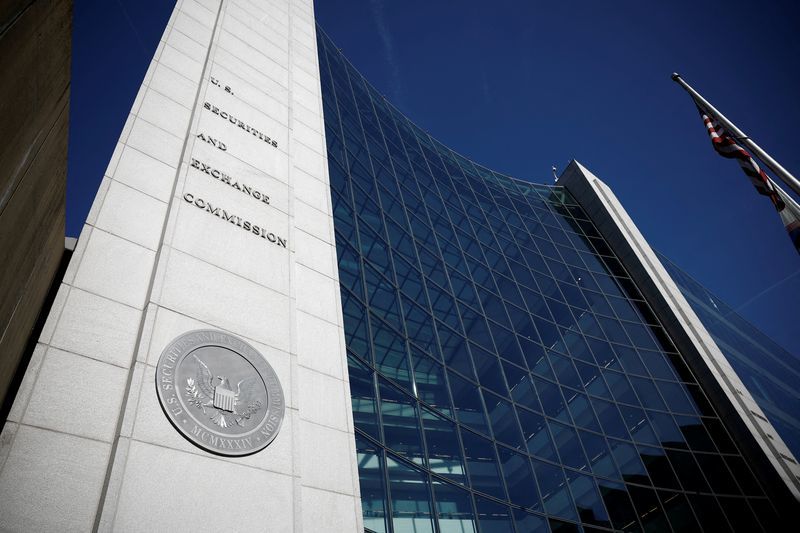
In a significant enforcement action against white-collar misconduct, the United States Securities and Exchange Commission has brought charges against Jason Satsky, a 59-year-old former co-head of Americas power and renewable energy banking at Bank of America, for allegedly sharing material nonpublic information with an associate about a confidential corporate acquisition. The complaint centres on allegations that Satsky tipped off Gavin Wolfe, a 55-year-old investment manager and friend of more than two decades, regarding the impending acquisition of South Jersey Industries, an energy holding company, enabling Wolfe to orchestrate trades that generated approximately $18.5 million in illicit profits.
The enforcement action highlights vulnerabilities in information barriers that investment banks maintain to prevent the leakage of sensitive deal details. Satsky, who worked at Bank of America as a trusted advisor on major energy sector transactions, allegedly disclosed information about the South Jersey Industries merger in late 2021 while the bank was actively advising on the transaction. This breach of fiduciary duty and confidentiality stands as a reminder of how personal relationships can sometimes undermine institutional safeguards, particularly when individuals with access to confidential information maintain ties with asset managers and traders positioned to act on that information.
Wolfe, who operates Evergreen Capital and manages family wealth, is alleged to have purchased more than 2.2 million shares of South Jersey Industries' parent company in the period after receiving the tip from Satsky. The aggregate value of those holdings amounted to approximately $53 million at the time of purchase. When the company publicly announced its $8.1 billion acquisition on February 24, 2022, the share price surged, allowing Wolfe to realise a remarkable 36 percent gain on his investment—a return that prosecutors argue would have been impossible absent advance knowledge of the transaction.
The SEC's investigation uncovered evidence suggesting that Satsky and Wolfe communicated repeatedly about the acquisition throughout the relevant period. According to the regulator's filings, the two men discussed the pending deal on multiple occasions, including during a high-profile college basketball game between Duke and Kentucky held at Madison Square Garden. That meeting took on particular significance given that Satsky had access to luxury box seats at the venue through his employer, underscoring the sophisticated networking environment in which investment bankers operate and the informal channels through which sensitive information can be transmitted.
The enforcement matter extends beyond simple allegations of information disclosure. The SEC is pursuing a comprehensive remedial package designed to deter similar conduct and protect market integrity. The agency is seeking to recover all profits that Wolfe obtained through the scheme, which the regulator describes as ill-gotten gains derived from trading on confidential information. Additionally, the SEC intends to seek civil monetary penalties against both defendants and is pursuing officer-and-director bans against each of them, a sanction that would effectively bar them from serving in leadership roles at publicly traded companies or regulated financial institutions.
Bank of America's response to the allegations has been notably restrained. The institution confirmed that Satsky is no longer employed by the firm, having been terminated in March 2025 following the SEC's investigation. The bank stated it was not accused of wrongdoing and has cooperated with regulators. This distinction is significant for institutional liability purposes, as it suggests that the breaches in information control were attributable to individual misconduct rather than systemic failures within the organisation's compliance infrastructure.
The defendants have mounted vigorous denials of the charges. Satsky's legal counsel, Robert Anello, issued a statement asserting that his client categorically denies the SEC's allegations and expressed confidence that evidence would demonstrate proper conduct and result in vindication. Anello specifically denied that Satsky provided material nonpublic information to Wolfe or any other party regarding South Jersey Industries. The defence strategy appears to centre on challenging the SEC's factual characterisation of the communications and the nature of the information exchanged between the two men.
Wolfe's attorneys have similarly rejected the charges with equal intensity. Reed Brodsky, representing the investment manager, stated that his client categorically denies all allegations and will mount a vigorous defence. Notably, Brodsky argued that the SEC has overlooked or disregarded sworn testimony and documentary evidence demonstrating that Wolfe's purchase of South Jersey Industries shares was grounded in an independent investment thesis developed through legitimate analysis rather than material nonpublic information. This defence suggests that Wolfe may seek to demonstrate he had valid fundamental reasons for accumulating the position, independent of any tips from his former colleague.
The historical connection between the defendants adds another dimension to the case. Both men previously worked together in the power and renewable energy banking sector at Credit Suisse before joining Bank of America in 2012. This long-standing professional relationship and personal friendship spanning more than two decades created the trust dynamic that allegedly facilitated the alleged information transfer. Wolfe subsequently leveraged his industry expertise by establishing Evergreen Capital, which manages family assets and presumably benefits from his deep knowledge of the energy sector.
The case carries implications for how investment banks and financial institutions structure information access controls and monitor communication patterns among employees. The sophisticated nature of the alleged misconduct—involving luxury entertainment venues and personal relationships—demonstrates that traditional compliance mechanisms may require enhancement to detect and prevent subtle forms of information leakage. For Malaysian and Southeast Asian investors and market participants, the enforcement action underscores the reality that insider trading enforcement remains a priority for major financial regulators, and that material advantage derived from confidential information carries significant legal consequences regardless of the sophistication with which the misconduct was allegedly orchestrated.
Moreover, the case reflects broader concerns within global financial markets about information asymmetries and the potential for privileged access to create unfair trading advantages. For regional investors in Southeast Asia who may transact in American securities or who follow trends in international financial regulation, this enforcement action demonstrates that US regulators continue to pursue insider trading cases aggressively and that the penalties—both financial and reputational—can be severe. The SEC's willingness to pursue both the tipper and the tippee sends a clear message that the responsibility for preventing insider trading extends across the chain of communication.
The regulatory implications also extend to how firms manage employee relationships with external asset managers and investors. Banks and financial institutions may need to impose additional restrictions on socialising between investment bankers and portfolio managers at external firms, particularly in settings where informal conversations about pending transactions might occur. The Madison Square Garden incident exemplifies how apparently innocuous social gatherings can provide opportunities for sensitive information to change hands in ways that circumvent formal information barriers.

