The Group of Twenty is heading towards its December gathering in Miami amid growing friction over the summit's direction, with the United States accused of narrowing the agenda to serve its own diplomatic interests rather than the collective concerns of the world's largest economies. Negotiators from member delegations disclosed during this week's sherpa meetings in Washington that American negotiators have worked consistently since December to reshape the declaration in ways that favour Washington's priorities while marginalising traditional G20 concerns affecting developing nations.
The push to overhaul the G20 framework reflects a fundamental tension within the group as it approaches the Trump National Doral summit on December 14-15. According to two delegation members who requested anonymity because of the closed-door nature of the talks, the United States has pressed to eliminate text addressing poverty reduction, energy transition and gender equality from the joint declaration that leaders will issue at the gathering. Instead, American negotiators have sought to concentrate the summit's focus on immigration, transnational crime, terrorism, foreign investment and what Washington terms "fair trade"—a reshaping that essentially reframes the G20 as a vehicle for addressing security and economic concerns aligned with American policy objectives.
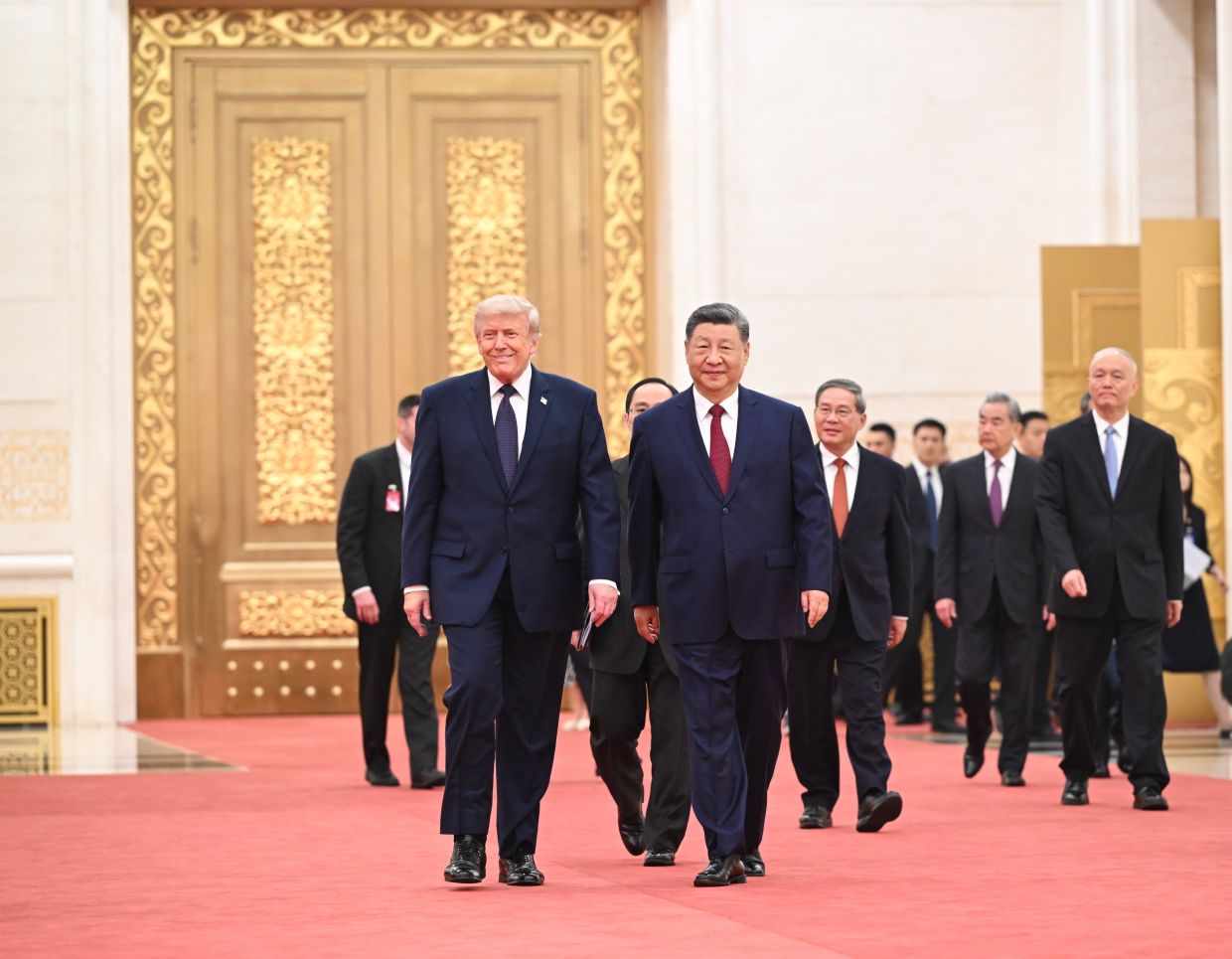
One negotiator characterised the American approach as fundamentally self-interested, describing an effort since the group's initial December meeting to draft language that benefits larger, wealthy economies over smaller and developing nations. This same source offered a blunt assessment of how the summit is being positioned, suggesting the Americans view Miami not as a serious multilateral forum but as "a pretty backdrop for a photo of Trump and Xi"—framing the entire gathering as essentially theatrical, with the bilateral meeting between the American and Chinese presidents serving as the real centrepiece. The characterisation underscores how the summit's significance, from Washington's perspective, centres on repairing or redefining the US-China relationship rather than advancing any genuine G20 consensus.
Russia has similarly complained about the American approach, with ambassador-at-large Marat Berdyev publicly voicing concerns about how the agenda is being shaped. Despite these objections, Russian negotiators led by sherpa Denis Agafonov, head of the presidential experts' directorate, participated in this week's talks and indicated that Moscow remains focused on discussing trade, energy and finance matters. The Russian engagement suggests that while larger powers may object to the narrowing agenda, they remain engaged in the negotiation process, hoping either to influence outcomes or to maintain their seat at the table.
China's response to the American pressure offers a particularly telling window into the complex dynamics at play. When asked whether parallel bilateral discussions between American and Chinese officials were occurring during the sherpa meetings, the Chinese embassy declined to confirm or deny such talks. Instead, it offered only a written response referring obliquely to previous statements, a diplomatic dodge that suggests uncomfortable compromises may be unfolding behind the scenes. More significantly, according to another delegate present at the discussions, China has not objected to the American decision to sideline energy transition initiatives, despite the fact that the green transition represents a central pillar of Beijing's domestic and foreign policy agenda.
The Chinese restraint appears inconsistent with Beijing's own public positioning. The Chinese embassy statement emphasized that China has developed "the world's most complete policy system on reducing carbon emissions" and operates "the world's largest renewable energy system," positioning itself as a leader on climate issues. The statement further claimed that as "a responsible major developing country," China stands ready to support global efforts to "build a clean and beautiful world." Yet this rhetoric about environmental stewardship sits uneasily alongside the reported silence during negotiations over the removal of energy transition language from the G20 declaration, raising questions about whether Beijing is either unable or unwilling to stand firm on an issue it claims to prioritise.
The effective sidelining of climate and development issues reflects a broader retreat from the commitments the G20 has made in recent years on global challenges. Earlier G20 targets on renewable energy expansion that analysts assessed fell short of Paris Agreement requirements—aiming for roughly 15 per cent reductions when 30 per cent cuts would be needed to align with the 2-degree pathway—already represented a significant scaling back of ambition. The further removal of energy transition language from the Miami declaration would essentially erase climate action from the group's formal agenda, marking a dramatic reversal of priorities that has characterised G20 consensus statements in recent years.
For developing nations in Southeast Asia and beyond, the American repositioning of the G20 carries significant implications. By pushing poverty reduction off the agenda, the United States is effectively deprioritising issues that affect hundreds of millions of people across the Global South, where poverty remains endemic despite decades of international development efforts. For middle-income countries like Malaysia, Thailand and Indonesia, the G20 has traditionally served as a forum where their concerns could at least be aired at the highest levels of global economic governance, even if concrete outcomes remained limited. The narrowing of the agenda to focus on immigration, crime and trade—all presented from the perspective of wealthy nations' security and commercial interests—reduces the space for developing countries to advocate for their own development priorities.
The G20's handling of Russia's continued membership, or rather exclusion, adds another layer to this tension. Russia was suspended from full participation following its invasion of Ukraine, marking the first time the group has excluded a full member—a precedent that has drawn objections from several governments uncomfortable with the exclusion. South Africa's president has remained notably quiet on the matter despite his country's historical ties to Moscow and its earlier criticism of exclusionary practices within international institutions. This silence, coupled with China's apparent accommodation of the American agenda-narrowing, suggests that the major developing economies are accepting outcomes they might previously have contested, whether due to bilateral pressure, strategic recalculation or weariness with the G20 format itself.
The dysfunction extends beyond the sherpas' negotiations. The first G20 finance ministers' meeting under the current American presidency concluded in April without a joint statement or the customary concluding press conference—a breakdown in diplomatic procedure that signalled deeper disagreements over fundamental issues. Finance Minister Lan Fo'an represented China at those April talks through the finance track mechanism, a separate channel from the sherpa negotiations, suggesting that the G20's architecture itself is fragmenting into parallel processes that may not resolve into coherent positions by December.
As the G20 approaches Miami, the shape of the summit reflects how the forum has increasingly become a venue for major powers to manage their bilateral relationships rather than to forge genuine multilateral consensus on global challenges. The American effort to strip the declaration of language on poverty, climate and gender equality while emphasising narrower security and trade concerns represents a conscious decision to reframe the G20 in ways that align with current American policy priorities. For developing nations and middle-income countries seeking a seat at the table where global economic decisions are made, the implications are sobering: the group that claimed to represent cooperation among the world's largest economies is increasingly functioning as a tool for individual great power interests, leaving those concerns on which genuine multilateral action is most needed effectively abandoned.

