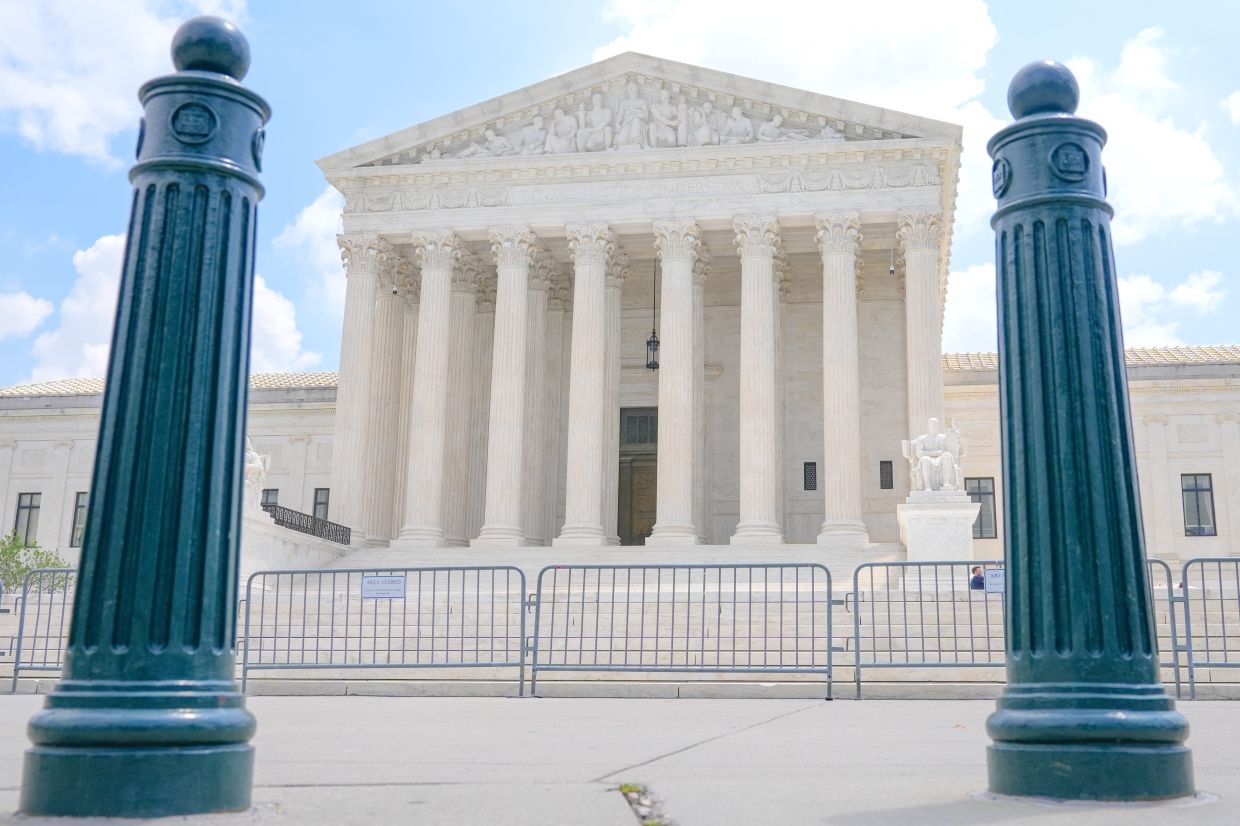
The United States Supreme Court has declined to intervene in a contentious legal dispute over Texas's App Store Accountability Act, effectively allowing the state's age verification requirements for app downloads to move forward. In brief one-sentence orders, Justice Samuel Alito rejected emergency petitions filed by opponents challenging the law on constitutional grounds, leaving intact earlier rulings that had cleared the way for implementation.
The Texas legislation has emerged as a flashpoint in the broader debate over children's safety online versus digital privacy and free expression. The law mandates that digital application stores implement age verification systems before users can access certain content, a requirement that supporters argue protects minors from inappropriate material and predatory data collection practices. This approach reflects growing legislative momentum across multiple US states to regulate how technology companies interact with younger users.
The pathway to the Supreme Court's decision involved multiple legal skirmishes across the federal judiciary. A three-judge panel from the 5th US Circuit Court of Appeals ruled in June that Texas possessed sufficient authority to enforce the law, simultaneously suspending a district court determination from December that had found the statute unconstitutional. This reversal illustrated the deep judicial divisions surrounding the appropriate balance between state regulatory power and individual constitutional protections in the digital age.
Opponents of the measure, led by organisations including the Computer & Communications Industry Association and Students Engaged in Advancing Texas, mounted vigorous constitutional arguments before the high court. Their legal teams contended that the legislation crossed constitutional boundaries by restricting access to content explicitly protected under the First Amendment, encompassing news reporting, educational resources, and other speech-related material. These plaintiffs argued that the law represented an impermissible governmental intrusion into parental authority and family decision-making.
In their written submissions to the Supreme Court, attorneys representing Students Engaged in Advancing Texas emphasised what they characterised as fundamental tensions between the law and constitutional principles. They argued that safeguarding First Amendment protections and preserving parents' traditional prerogatives to guide their children's internet access—without government mandates dictating appropriate child-rearing practices—remained essential to the public interest and equitable justice. This framing positioned the case as fundamentally about parental rights and constitutional liberty rather than mere industry convenience.
Texas Attorney General Ken Paxton's office presented a starkly different characterisation of the stakes involved. State attorneys defending the legislation emphasised the genuine vulnerabilities that contemporary digital ecosystems create for minors. They detailed how children with access to application stores and mobile devices could potentially download numerous software applications that carry privacy risks, data exploitation potential, and exposure to harmful content—all potentially occurring without meaningful parental awareness or consent. This characterisation resonated with broader public anxieties about children's digital safety.
The practical implications of the Supreme Court's inaction extend well beyond Texas. The decision signals that conservative courts, at least on this particular issue, may be more receptive to state-level regulatory approaches to technology platforms than had previously been assumed. For Malaysian and Southeast Asian policymakers increasingly grappling with similar questions about protecting young digital users while preserving open access to information, the American precedent offers important lessons. Several countries in the region have considered or implemented comparable age verification requirements, and the Texas case demonstrates the intricate constitutional and practical challenges such frameworks generate.
The law also reflects evolving regulatory philosophies regarding corporate responsibility and child protection. Rather than relying primarily on industry self-regulation or parental controls, the Texas approach imposes direct governmental requirements on platform operators themselves. This represents a significant shift from earlier consensus that technology companies should maintain minimal regulatory burdens in exchange for implementing their own safety mechanisms. The Supreme Court's refusal to block the law implicitly endorses this regulatory model, at least provisionally.
For the technology industry, the decision carries concerning implications. If the Texas model survives further legal challenges and potential Supreme Court review on the merits, other states may follow similar pathways, creating a fragmented regulatory landscape that complicates platform operations. Companies would potentially face varying age verification requirements across jurisdictions, each with different implementation standards and privacy considerations. This regulatory divergence mirrors challenges the technology sector already confronts globally, where different countries impose different content moderation and user protection standards.
The case also illustrates broader tensions within American constitutional jurisprudence regarding how courts should weigh children's welfare against free speech protections and commercial interests. The tension between Justice Alito's apparent willingness to let the law proceed and traditional First Amendment orthodoxy—which generally views content restrictions with deep suspicion—suggests courts may be reconsidering how to balance these competing values in the digital context. This recalibration could prove particularly significant if similar measures reach the Supreme Court for full substantive review.
Moving forward, all eyes will focus on whether the Texas law successfully implements its age verification requirements without creating unintended consequences. Industry observers expect technical and privacy challenges to emerge as platforms attempt compliance, potentially influencing how subsequent legislative efforts in other jurisdictions approach similar objectives. The legal dispute is far from concluded, with further appeals and constitutional challenges likely as the law's implementation proceeds and its actual effects become measurable.

