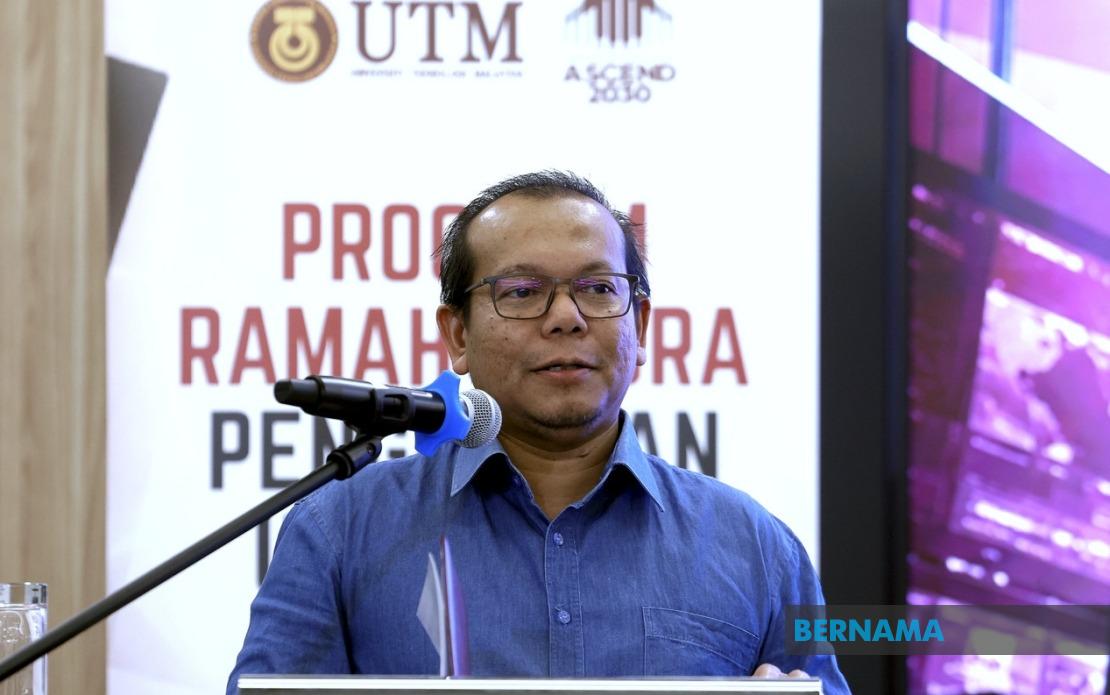
Universiti Teknologi Malaysia has moved to deepen its strategic engagement with media organisations, recognising that robust partnerships with news outlets are fundamental to communicating verified research, institutional developments, and expert analysis to the Malaysian public. Vice-Chancellor Prof Dr Mohd Shafry Mohd Rahim articulated this vision at a recent University Management's Media Networking Session, emphasising that in an era of rapid information dissemination and digital noise, universities must work closely with professional journalists to ensure their messages reach audiences with accuracy and context intact.
The initiative underscores a growing institutional concern across Malaysia's higher education sector about reputational vulnerabilities. Universities invest decades cultivating their standing through research excellence, academic rigour, and community contributions—yet unverified allegations, misleading commentary, and misrepresented findings can swiftly erode the public trust that underpins their social legitimacy. For institutions like UTM, which positions itself as a leader in technology and innovation, maintaining credibility becomes especially critical as their research increasingly influences policy decisions and technological adoption across the region.
Mohd Shafry highlighted the paradox facing modern universities: the speed with which inaccurate narratives circulate online now outpaces institutional capacity to respond with substantiated corrections. Without proactive engagement with established media channels, universities risk having their work mischaracterised or their statements drowned out by louder, less accurate voices. By cultivating transparent relationships with journalists and news organisations, UTM seeks to establish reliable pathways through which factual information can reach decision-makers, students, investors, and the general public before misinformation takes hold.
The participation of Bernama—Malaysia's national news agency—alongside its Chief Executive Officer Datin Paduka Nur-ul Afida Kamaludin and Acting Deputy Editor-in-Chief (Economic News Service) Harlina Samson, signals official endorsement of this partnership model at the highest levels of Malaysian media infrastructure. Bernama's involvement suggests that coordinated efforts between universities and the national news agency could establish quality standards for academic reporting across Malaysian publications, potentially raising the bar for scientific journalism across the country and Southeast Asia more broadly.
Beyond simply improving media coverage, UTM is committing to capacity-building initiatives that strengthen the entire ecosystem of academic journalism. The university plans to offer training programmes focused on artificial intelligence and emerging technologies—domains where both journalists and subject-matter experts struggle to communicate complex concepts clearly to general audiences. By equipping reporters with deeper technical understanding, UTM addresses a systemic problem: many science and technology stories published in mainstream media lack sufficient depth or accuracy, not because journalists lack integrity but because they lack specialised knowledge to interrogate claims critically.
The proposed expansion of access to UTM's academic experts and professors represents another layer of this strategy. Malaysian journalists covering university research, higher education policy, or technology developments often rely on limited sources, sometimes leading to incomplete or skewed reporting. By positioning UTM academics as accessible reference sources, the university creates a structural incentive for more thorough, nuanced reporting. This approach particularly benefits journalists working for regional and international outlets seeking Malaysian expertise on topics ranging from engineering and environmental science to social policy and governance.
UTM is simultaneously developing internal mechanisms to disseminate its own research findings and technological innovations more effectively through media channels. This implies investing in institutional communications capacity—dedicated staff, press release protocols, media kit development, and perhaps embargoed early access for qualified journalists—to ensure research is packaged for journalistic consumption without compromising academic integrity or oversimplifying findings. The challenge universities face is communicating cutting-edge research in ways that are simultaneously accurate, accessible, and compelling enough to compete for editorial space against more sensational stories.
For Malaysia's higher education sector, this partnership model carries broader implications. If successful, UTM's media engagement strategy could become a template for other research-intensive institutions seeking to raise their public profile and defend their institutional reputations. Malaysian universities increasingly compete for international rankings and research funding in a globalised academic marketplace; their ability to communicate achievements and expertise through trusted media channels becomes a competitive advantage. Countries like South Korea and Singapore have demonstrated that strong university-media relationships correlate with higher international visibility and research citations for their institutions.
The initiative also reflects shifting expectations about institutional transparency and accountability. Rather than treating media relations as a defensive measure—reactive crisis communication—UTM is framing proactive engagement as a strategic investment in public understanding and institutional legitimacy. This aligns with international best practices where leading research universities maintain dedicated media offices, embargoed journal access, and cultivated relationships with specialist journalists across multiple outlets and disciplines.
Mohd Shafry's expressed hope that this collaboration will strengthen Malaysia's broader higher education ecosystem touches on a crucial point often overlooked in university management: institutional success increasingly depends on systemic strength rather than individual excellence. When Malaysian universities successfully communicate their research to international audiences, it enhances Malaysia's standing as a knowledge economy and attracts global collaborations, talent, and investment that benefit the entire sector. Conversely, when university research goes uncommunicated or is misrepresented, Malaysia loses opportunity to project intellectual leadership regionally and globally.
The timing of this initiative also reflects recent global patterns where misinformation about universities—ranging from accusations about political bias to false claims about research ethics—has proliferated on social media and alternative news platforms. Professional media relationships offer universities a counterweight to these narratives, providing platforms where institutional voices carry credibility earned through long-standing editorial standards and journalistic accountability mechanisms that social media platforms lack.
Looking forward, the success of UTM's media collaboration strategy will depend on sustained commitment and genuine reciprocity. Universities must respect editorial independence and accept that journalists will sometimes critically examine institutional decisions or research quality. Conversely, media organisations must invest adequate resources in covering university research meaningfully rather than treating academic institutions as convenient sources for fill-in stories. For Malaysian readers and policymakers seeking reliable information about technological trends, research breakthroughs, and expert analysis, this partnership represents a meaningful step toward more accurate and contextualised reporting on matters affecting national development.

