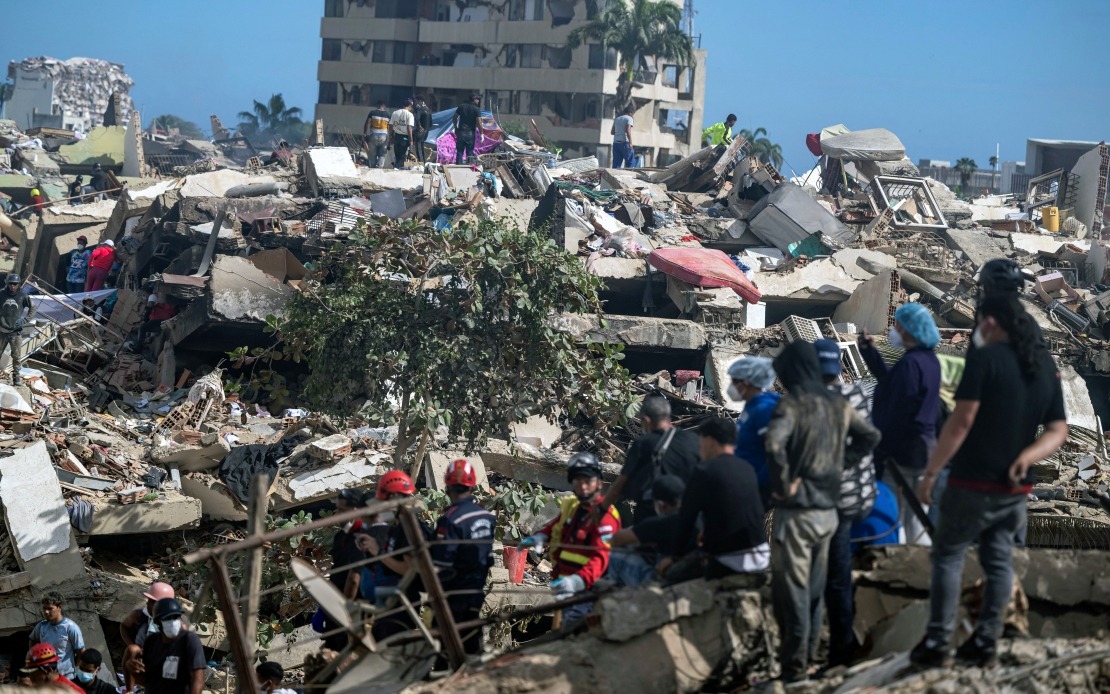
Venezuela is reeling from the devastating impact of twin earthquakes that struck its northern regions on June 24, with the confirmed death toll now reaching 2,295 according to an official statement by National Assembly President Jorge Rodriguez. The humanitarian crisis unfolding in the aftermath represents one of the most significant natural disasters to affect the South American nation in recent years, with the scale of destruction continuing to expand as assessment teams catalogue the full extent of damage across affected communities.
The human toll extends far beyond fatalities, with documented injuries climbing to 11,267 individuals requiring varying levels of medical attention. Officials have registered 12,841 people displaced from their homes, many of whom are struggling to secure temporary shelter and access basic services. The cascading humanitarian needs have strained local health systems and social support infrastructure, creating urgent demands for international assistance and coordinated relief operations. Medical facilities throughout the impacted zones are operating at capacity, with hospital staff working around the clock to address injuries ranging from crush wounds and fractures to internal trauma.
Emergency response teams have demonstrated remarkable effectiveness during the critical initial period following the seismic event. More than 4,000 emergency personnel, drawn from various Venezuelan agencies and bolstered by international responders, have been deployed strategically across the affected regions. These rescue teams have successfully extracted 6,461 survivors from rubble and collapsed building structures, a figure that underscores the intensity of search and rescue operations ongoing since the earthquakes struck. The coordination between local authorities and international rescue specialists has proven essential in maximizing survival rates during this critical window when trapped victims have the highest chances of rescue.
The initial seismic event registered as a rare double earthquake phenomenon, with sequential tremors measuring 7.2 and 7.5 magnitude. The intensity and proximity of these two major quakes created compounded shaking effects that dramatically increased structural damage throughout the region. Seismic monitoring services have recorded 782 aftershocks in the weeks since the initial twin quakes, though analysis indicates that both the frequency and underground intensity of these secondary tremors have shown gradual decline over the preceding 48 hours. This diminishing pattern provides some reassurance to anxious residents who have endured constant seismic activity.
While the trajectory of aftershock activity appears favorable, Venezuelan authorities are urging continued caution. National Assembly President Rodriguez emphasized that "the threat seems to be diminishing, but it hasn't disappeared," warning citizens to exercise particular vigilance around structures with compromised concrete and masonry work. Many buildings remain in precarious states, with weakened structural integrity creating ongoing hazards of partial or complete collapse. These warnings reflect a measured approach to public safety that acknowledges the reality that dangers persist despite the apparent decline in seismic activity.
Satellite imagery analysis conducted by NASA scientists provides sobering insight into the structural damage inflicted across the earthquake zone. Preliminary assessments based on orbital remote sensing data indicate that more than 58,000 buildings sustained damage ranging from minor structural compromise to complete destruction. This figure encompasses residential properties, commercial establishments, schools, health facilities, and municipal infrastructure spread across the affected municipalities. The scale of reconstruction required will present enormous logistical and financial challenges for Venezuelan authorities already grappling with significant economic constraints.
International rescue operations have become a defining feature of the response effort, with rescue teams dispatched from more than 30 countries working alongside Venezuelan personnel. These multinational teams bring specialized equipment, trained personnel, and operational expertise to the search and rescue mission. Their presence reflects the international humanitarian principle that major disasters transcend national boundaries, requiring coordinated global responses. The contribution of these international responders has significantly amplified the effectiveness of search operations, enabling rescue teams to access difficult rubble sites and extract survivors who might otherwise have perished.
The humanitarian logistics surrounding the disaster have revealed the scale of the challenge facing authorities. The United Nations has initiated procedures to acquire 10,000 body bags, a clinical statistic that grimly underscores the death toll and the ongoing risks of discovery of additional fatalities as rescue operations progress through subsequent phases. This procurement effort reflects the UN's assessment that casualties may continue to mount as search teams penetrate deeper into destroyed structures and locate remains of those who perished in initial collapses.
For Malaysian readers and the broader Southeast Asian region, the Venezuela earthquake serves as a stark reminder of seismic vulnerability affecting multiple countries across the Pacific and Caribbean zones. While the specific geological characteristics differ between Venezuela's seismic setting and the tectonic environments of Southeast Asia, the disaster illustrates universal principles regarding earthquake preparedness, building code enforcement, and international cooperation during major natural disasters. The effectiveness of multinational rescue coordination demonstrated in Venezuela offers practical lessons applicable to regional disaster response protocols. Additionally, the incident highlights the interdependencies of global supply chains and humanitarian systems, as nations respond to major crises that disrupt economic and social stability. Venezuela's experience underscores the critical importance of investment in disaster preparedness infrastructure, resilient building standards, and rapid international response mechanisms—factors that remain relevant to all earthquake-prone nations navigating similar seismic risks.

