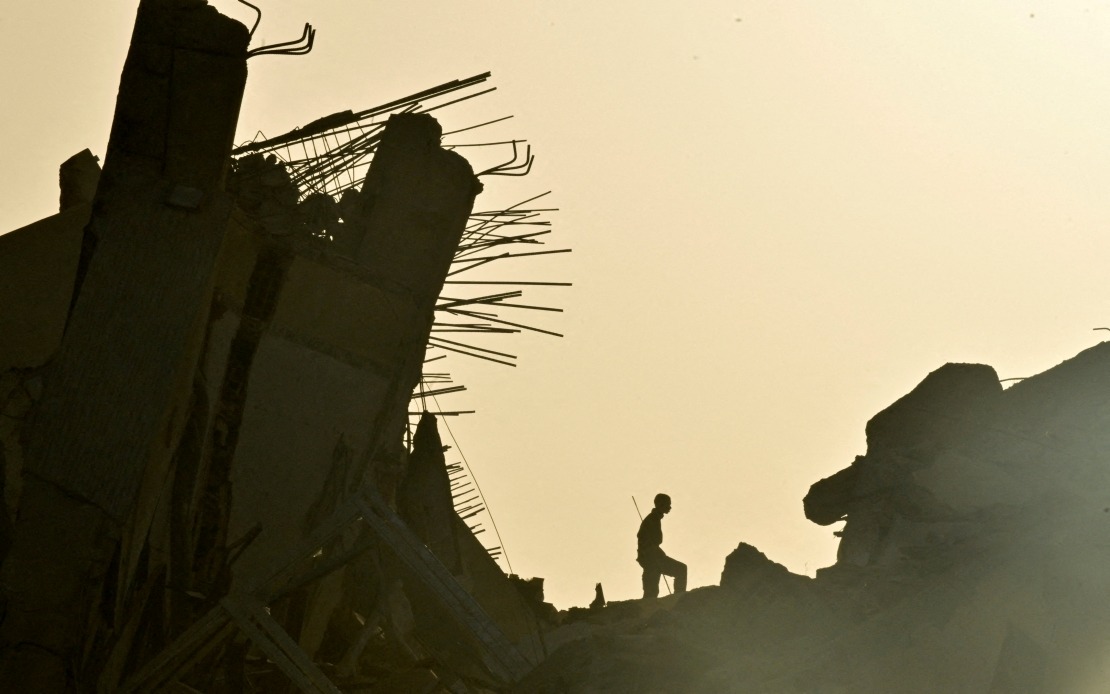
The humanitarian toll from Venezuela's catastrophic seismic events has climbed to at least 1,450 deaths with more than 3,200 people sustained injuries, according to authorities reporting on Sunday. The twin earthquakes struck the South American nation on Wednesday with magnitudes of 7.2 and 7.5 respectively, unleashing successive waves of destruction that left entire districts in ruins. The back-to-back tremors were followed by a punishing sequence of 430 aftershocks, complicating both rescue operations and the psychological burden on survivors and rescue personnel.
The geographical impact remains starkly uneven, with the coastal state of La Guaira and the capital Caracas bearing the brunt of the destruction. In both regions, high-rise apartment blocks and commercial structures have been reduced to rubble, creating vast landscapes of concrete debris where families once lived and worked. Such concentrated devastation in urban centres amplifies the challenge for rescue teams attempting to navigate collapsed buildings and locate survivors beneath tonnes of material.
Thousands of individuals remain believed to be trapped under the wreckage, as confirmed by Jorge Rodríguez, the National Assembly President, who has provided ongoing assessments of the unfolding disaster. His statements underscore the scale of the emergency, suggesting that official casualty figures may ultimately rise as rescue operations continue to unearth victims from beneath collapsed structures throughout the affected regions.
The rescue response has mobilized an unprecedented international effort. Approximately 30,000 emergency workers from within Venezuela have been supplemented by roughly 2,700 specialist rescue personnel from 24 other nations, creating a multinational coordination challenge even as teams work simultaneously across multiple collapse sites. This combined force represents one of the largest cross-border humanitarian responses in recent regional history, reflecting both the severity of the disaster and the network of solidarity among nations in the Western Hemisphere and beyond.
Yet optimism about locating living survivors diminishes with each passing day. Rescue specialists have long established that the critical window for extracting people alive from building collapses typically closes after approximately 72 hours—a threshold that has now been exceeded in most affected zones. While search and rescue teams continue their methodical work, the probability of discovering individuals with a viable chance of survival has become vanishingly small, shifting the focus increasingly toward recovery rather than rescue.
The structural damage assessment reveals the full scope of the catastrophe. More than 2,500 residential buildings and other structures have either completely collapsed or sustained severe damage. Particularly alarming is the destruction of medical infrastructure, with 38 hospitals among the damaged facilities, severely hampering the ability of the healthcare system to treat the injured and manage the ongoing medical crisis. Approximately 780 homes have been lost, displacing families and creating an urgent humanitarian need for temporary shelter and basic services.
For Malaysian observers, this disaster carries particular resonance given the region's own seismic vulnerability. While Malaysia itself sits in a relatively stable geological zone compared to the Pacific Ring of Fire, many Southeast Asian nations including Indonesia and the Philippines face similar earthquake risks and face comparable infrastructure challenges in disaster preparedness. Venezuela's experience underscores the importance of rigorous building codes, emergency response coordination, and international cooperation frameworks that Malaysia and its regional partners continue to develop.
The economic and social implications for Venezuela extend far beyond the immediate casualty figures. The destruction of nearly 800 homes creates a massive housing deficit at a time when the nation's economic resources are already severely constrained. Damage to hospitals compounds the existing strain on Venezuela's healthcare system, itself already fragile due to years of economic contraction. The reconstruction process will require sustained international support and internal political will to rebuild critical infrastructure.
The international dimension of this response also reflects broader geopolitical currents in the region. The participation of 24 countries in rescue efforts demonstrates that despite Venezuela's complex diplomatic position, humanitarian crises transcend political divisions and trigger coordinated global action. This model of international cooperation in times of natural disaster offers a template for how nations can work together regardless of their broader disagreements, a lesson increasingly relevant as climate change and geological hazards pose growing transnational challenges.

