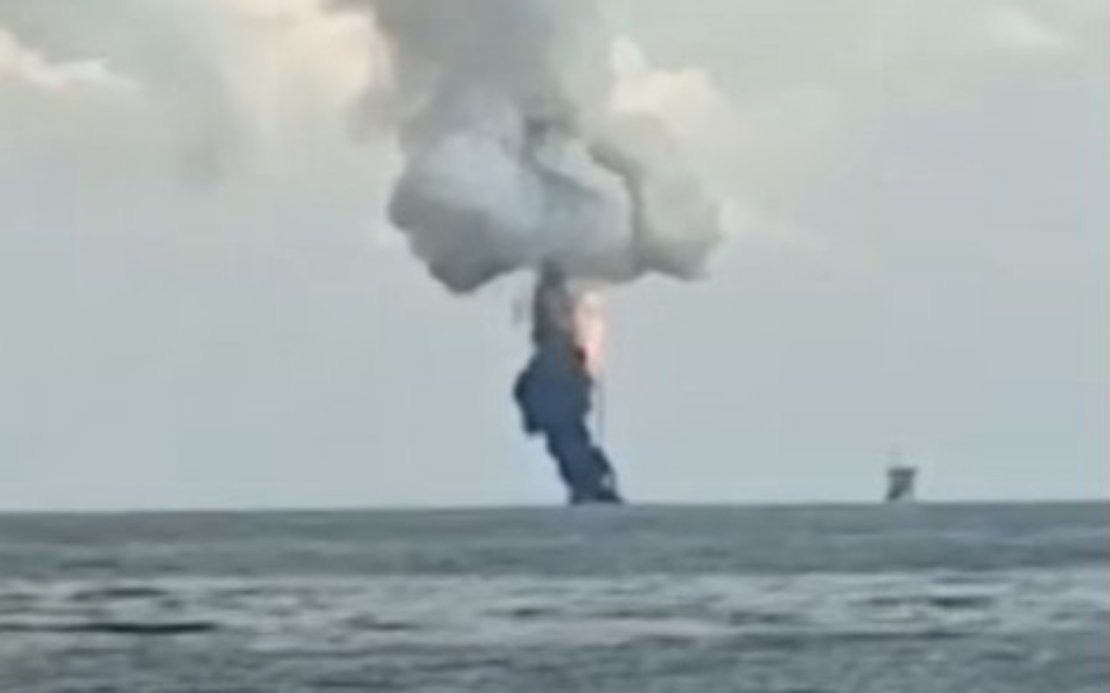
Petronas Carigali's subsidiary Vestigo Petroleum Sdn. Bhd. confirmed on Friday that a fire erupted at its West Lutong Vent A (WLV-A) offshore platform in Sarawak at approximately 2 pm the previous day. The company released a statement indicating that emergency response measures had successfully brought the situation under control, though the investigation into the underlying cause remains ongoing.
The incident drew immediate public attention after video footage circulated across social media platforms, highlighting the scale of the emergency unfolding at the facility. Such visibility underscores the heightened awareness and scrutiny surrounding offshore operations in Malaysian waters, particularly as stakeholders increasingly expect transparency and rapid disclosure from energy companies in the region.
Vestigo emphasised in its official statement that personnel safety remained paramount throughout the incident. The company reported that no workers sustained injuries and none experienced any harmful exposure during the emergency. This outcome reflects the critical importance of safety protocols and emergency preparedness systems in place at offshore installations, where rapid escalation of incidents can pose significant risks to human life in remote locations far from immediate shore-based assistance.
The operational centre has been coordinating closely with regulatory authorities and government agencies responsible for offshore safety and environmental protection. Such collaboration is standard practice in Malaysia's oil and gas sector, where stringent oversight mechanisms exist to ensure that operators maintain the highest standards of safety management and environmental stewardship. The cooperation reflects the broader regulatory framework established by Petronas and government bodies to govern offshore hydrocarbon activities.
Vestigo characterised the incident as posing no immediate danger to surrounding residential communities or the marine environment. This assessment is particularly significant given Malaysia's commitment to balancing energy security with environmental protection in its offshore zones. The West Lutong field, located in Sarawak's productive oil and gas region, sits within a heavily regulated area where multiple stakeholders monitor environmental compliance and operational integrity.
The company's commitment to maintaining operational integrity comes at a time when the Malaysian oil and gas industry faces mounting pressure to demonstrate safety excellence and environmental responsibility. Vestigo's public statement reaffirmed its dedication to protecting workforce safety, preserving environmental conditions, and sustaining reliable operations—three interconnected objectives that define contemporary standards in Southeast Asia's energy sector.
The incident reflects the inherent operational challenges of offshore petroleum extraction, where equipment failure, mechanical malfunction, or unforeseen circumstances can trigger emergencies requiring swift coordinated response. The speed with which Vestigo's teams and emergency responders contained the fire and prevented escalation demonstrates the readiness of response infrastructure supporting these operations. However, the need for subsequent investigation highlights the importance of continuous improvement and learning from near-misses and actual incidents.
Offshore platforms in Malaysian waters operate under robust regulatory oversight, with regulators maintaining authority over safety standards, environmental impact assessments, and incident reporting protocols. The West Lutong Vent A facility, like other installations in the region, must comply with Petronas guidelines, Malaysian regulatory requirements, and international standards governing offshore operations. The transparent reporting of this incident reflects the accountability mechanisms embedded within Malaysia's energy sector governance.
For the broader Malaysian oil and gas industry, incidents such as this underscore the continuing importance of investment in safety infrastructure, personnel training, and emergency response capabilities. While the containment of this incident without casualties or environmental damage represents a positive outcome, it also prompts reflection on systemic vulnerabilities and the necessity for perpetual vigilance in managing operational risks inherent to deepwater and offshore extraction activities.
The coming investigation will likely examine mechanical factors, human decision-making, maintenance records, and systemic safeguards to determine precisely what triggered the fire. Findings from such inquiries often inform refinements to operational procedures, equipment upgrades, and enhanced training protocols across the industry. Vestigo's commitment to uncovering the cause signals the company's intention to translate lessons learned into concrete improvements preventing similar incidents in future.
Stakeholders monitoring Malaysia's offshore energy sector—including environmental groups, investor communities, and regulatory bodies—will likely follow the investigation's progress closely. The incident serves as a reminder of both the operational sophistication required to manage modern offshore installations and the ever-present need for unwavering commitment to safety culture and environmental stewardship. For Malaysian policymakers overseeing the energy transition and economic development, balancing continued hydrocarbon production with rigorous safety and environmental standards remains a central strategic priority.

