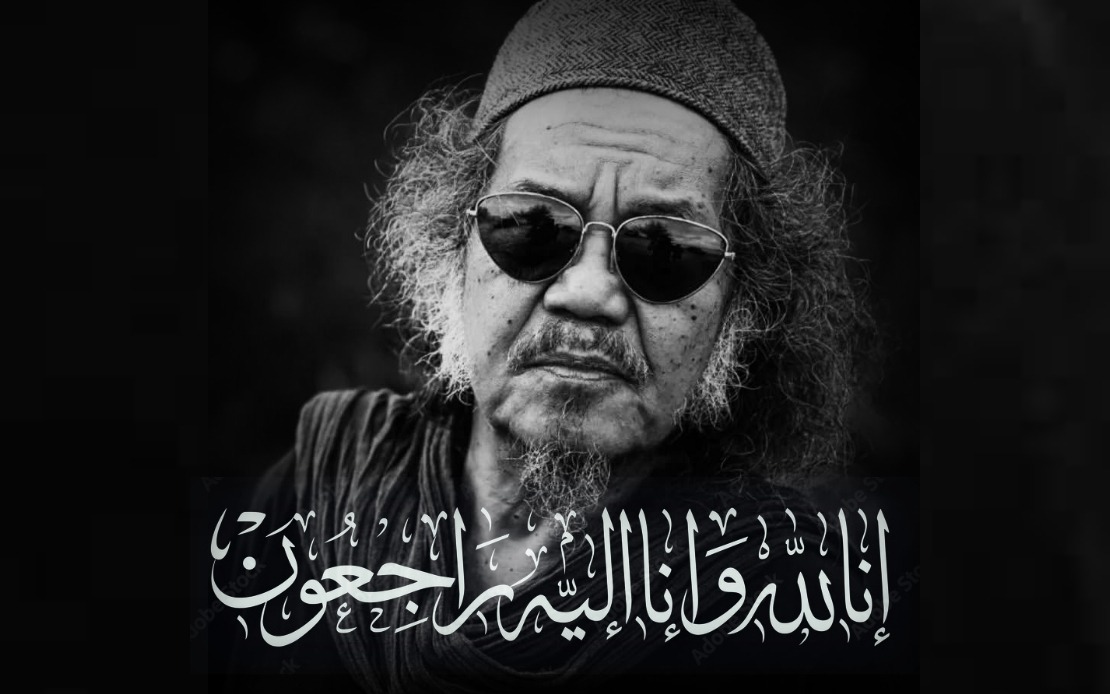
Kamarool Yusoff, the veteran Malaysian entertainer affectionately known as Cik Man, has died at Tanah Merah Hospital in Kota Bharu following a battle with heart disease. The 68-year-old performer breathed his last at 5:30 pm on August 5, according to confirmation from his son Ahmad Fakhrol Aliff, who was present during his father's final moments. His passing marks the end of a significant chapter in Malaysian television history, as Kamarool was instrumental in shaping the landscape of local entertainment during a formative period in the medium's development.
The news of his death was first shared publicly through social media by fellow entertainer Mohammad Amirullah Azmi, better known by his stage name Amir Raja Lawak, who posted a heartfelt tribute to the deceased actor. In his message, Amir expressed his condolences to Kamarool's family and friends, requesting divine mercy for the departed soul. The announcement quickly circulated through Malaysian entertainment circles, prompting an outpouring of tributes from colleagues who had worked alongside Kamarool throughout his lengthy career in the industry.
Kamarool's real name was Kamarozaman Yusoff, though he became universally recognized by his screen personas throughout his acting career. Beyond his best-known character Cik Man, he was also credited under the name Farok in various productions. His ability to embody different characters across multiple television projects demonstrated his versatility as a performer and his dedication to the craft of acting during an era when Malaysian television was still developing its distinctive voice and cultural identity.
The defining moment of Kamarool's professional career came through his memorable portrayal of a villainous character in the hugely popular television series Gila-gila Remaja. This role became synonymous with his name for generations of Malaysian viewers who grew up watching the show. Gila-gila Remaja itself was a landmark production that captured the imagination of audiences across the country, and Kamarool's compelling performance in the series ensured his place in the pantheon of Malaysian entertainment legends. His work on the show demonstrated a natural talent for bringing complex characters to life, earning him respect from both audiences and his professional peers.
The Malaysian entertainment industry has long been characterized by a relatively small pool of established talents who built the foundation for the sector's growth and professionalization. Kamarool belonged to this pioneering generation of actors and comedians who worked during the transitional period when Malaysian television was establishing itself as a primary source of national entertainment and cultural discourse. His contributions to the medium extended beyond mere performances; he helped define what Malaysian television comedy and drama could be, influencing countless performers who came after him.
For Ahmad Fakhrol Aliff and other family members, the loss represents not only a personal tragedy but also the departure of a public figure who maintained a visible presence in Malaysian cultural consciousness across decades. The younger generation of Malaysians may not have grown up watching Kamarool's performances firsthand, yet his legacy remains embedded in the collective memory of the nation's entertainment history. His son has indicated that funeral arrangements will proceed in the coming days, with services scheduled to take place in Kota Bharu, though final venue details were still being confirmed at the time of announcement.
The death of veteran performers like Kamarool often prompts broader reflections within the Malaysian entertainment industry about the contributions of earlier generations and the need to preserve the history and legacy of pioneering figures. Many performers from that era of Malaysian television have already passed away, making the surviving members of that generation increasingly precious repositories of knowledge about how the industry developed and evolved. Kamarool's passing therefore represents more than an individual loss; it underscores the gradual transition of the entertainment world to a new generation of performers and creators.
His cardiovascular health issues, which ultimately led to his death, represent a reminder of the challenges that aging performers face. Many veteran actors from Malaysia's mid-twentieth-century entertainment boom have grappled with serious health complications as they have aged, often without access to the same level of public recognition or financial security that their contributions to the industry deserve. Kamarool's passing may well serve as an occasion for renewed discussions about care and recognition for veteran performers in Malaysia.
The funeral arrangements announced for the following morning reflected family wishes to conduct the proceedings according to Islamic tradition. The location details, which were still being finalized, would ultimately be determined based on logistical considerations and the family's preference regarding which community or religious institution would oversee the ceremony. Such arrangements are typically conducted with dignity befitting a significant cultural figure within Malaysian society, honoring both the individual's legacy and the deep-rooted traditions that guide such observances.

