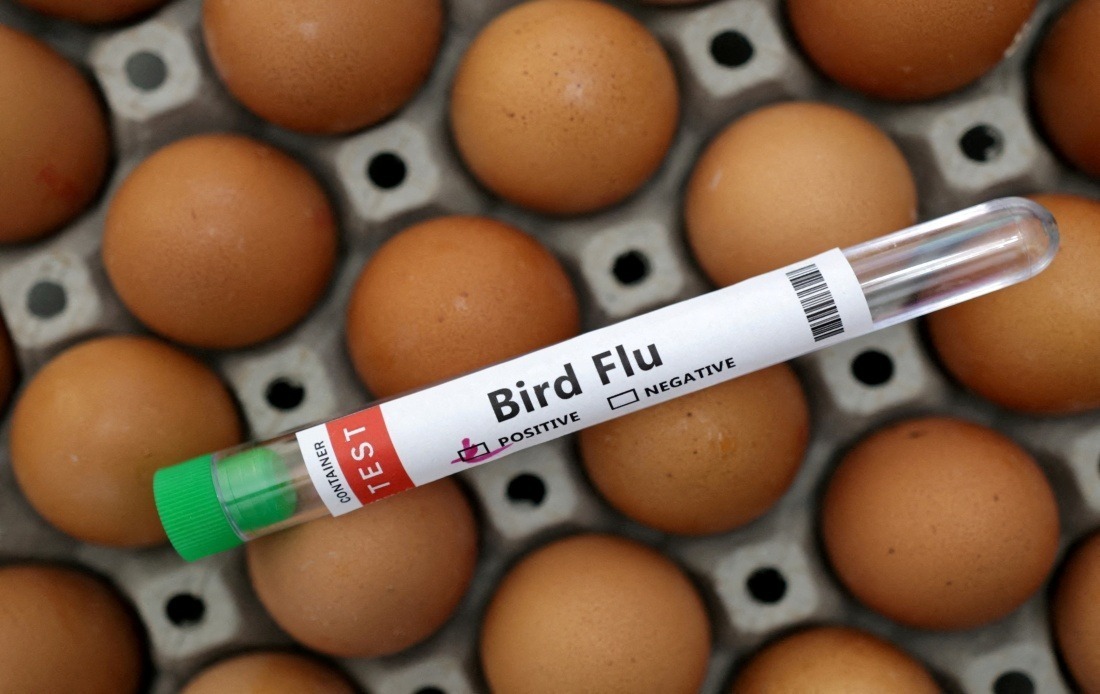
Australia's Victoria state has implemented a mandatory indoor housing requirement for poultry operations as H5N1 avian influenza detections continue rising across the region. The directive represents the nation's first compulsory confinement measure of this scale and signals escalating concerns about the virus spreading through new geographic areas. Agriculture Minister Michaela Settle characterised the intervention as a forward-thinking precautionary step intended to isolate farmed birds from potentially contaminated wildlife populations.
The indoor housing mandate applies to any facility maintaining more than 50 birds and will remain in effect for a preliminary 14-day period. This expansion builds upon existing voluntary measures that producers had previously adopted on a non-mandatory basis. The shift towards compulsion reflects authorities' assessment that voluntary compliance alone is insufficient to contain the outbreak's trajectory. Facilities that had voluntarily housed their flocks will find their practices now enshrined as legal requirements, though the abbreviated timeframe suggests officials may extend or modify the order pending evolving circumstances.
Victoria's Chief Veterinary Officer Graeme Cook attributed the escalating response to recent detections in Yambuk, Apollo Bay and Clyde, indicating the virus is penetrating previously unaffected districts throughout the state. Each new location confirmation compels authorities to strengthen containment protocols and expand surveillance zones. The geographic spread pattern suggests the virus may be transmitted through migratory bird corridors or localised wildlife populations rather than through commercial poultry networks, a distinction that informs the targeted approach toward farmers while maintaining surveillance focus on wild bird populations.
Australian Chief Veterinary Officer Beth Cookson announced confirmation of 20 additional positive detections within Victoria, all identified in greater crested terns concentrated around Portland and Nelson. The prevalence of infections among wild seabirds rather than domesticated flocks indicates the outbreak remains primarily a wildlife phenomenon, yet poses persistent risk of spillover into agricultural operations. The targeted bird species' coastal habitat and feeding behaviours may facilitate viral transmission across wide geographic distances, explaining the scattered detection pattern across Victoria's expansive territory.
The cumulative case count has now reached 175 confirmed or presumed positive H5 detections across Australia based on laboratory-tested samples. This figure encompasses both confirmed diagnoses and presumptive identifications pending final confirmation, providing a comprehensive picture of outbreak magnitude. The reliance on both categories reflects the rapid testing requirements necessary to contain spread, though authorities maintain distinction between definitive confirmation and probable cases in their epidemiological tracking. The growth trajectory suggests peak detection numbers may not yet be reached.
Despite the rising detection numbers, authorities have maintained that no confirmed cases have emerged within commercial poultry production facilities or Australia's broader agricultural food system. This distinction remains critically important for consumer confidence and trade relationship stability. The geographic and ecological separation between wild bird populations and managed agricultural operations has so far prevented the outbreak from compromising food supply chains. However, the mandatory confinement measure acknowledges the risk calculation has shifted, prompting preventive action before any agricultural breaches occur.
Risk assessments to human populations remain classified as very low by responsible agencies. No human infections have been documented, and transmission pathways from wild birds to humans are generally considered limited and indirect. Occupational exposure among wildlife handlers or farmers remains the primary human transmission vector, yet such cases remain exceptionally rare globally. The emphasis on maintaining low human risk provides public reassurance while authorities focus containment efforts on animal health management.
The outbreak's broader impacts extend beyond farming operations. The Royal Adelaide Show, a major regional agricultural and cultural exhibition, has cancelled scheduled bird and poultry exhibits for its upcoming event next month. This decision reflects organisers' precautionary approach and recognition that large gathering environments facilitate disease transmission risk, particularly for events featuring animal congregations from disparate geographic sources. The cancellation decision acknowledges public health obligations despite the minimal assessed human transmission risk.
For Malaysian and Southeast Asian observers, Victoria's response offers instructive precedent. The region remains vulnerable to avian influenza incursions given proximity to migratory bird routes and significant poultry production operations. The Australian experience demonstrates how rapid testing infrastructure, clear governmental communication, and proportionate regulatory responses can manage outbreak escalation. However, the challenge facing developing agricultural economies differs substantially from Australia's industrialised system, necessitating adapted protocols suitable to smaller-scale and backyard farming operations prevalent throughout Southeast Asia. The Victorian model emphasises the importance of early detection networks and willingness to transition swiftly from voluntary to mandatory measures when epidemiological circumstances warrant escalation.

