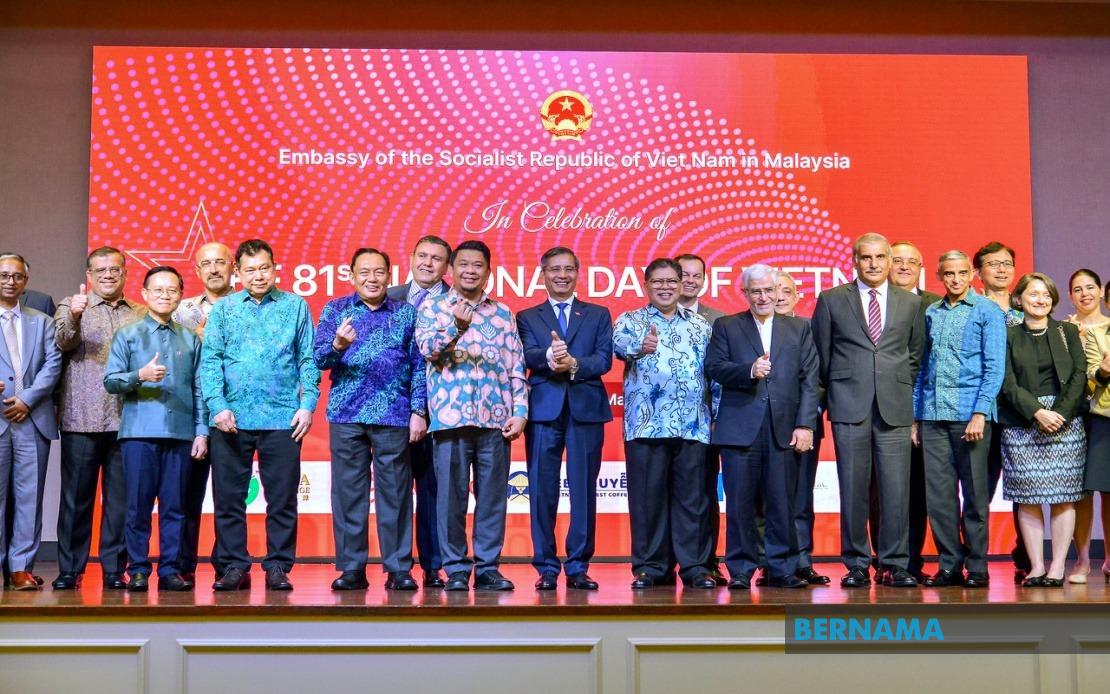
Vietnam and Malaysia are entering a transformative phase in their bilateral relationship, underpinned by the elevation of ties to Comprehensive Strategic Partnership status. The framework reflects a fundamental shift in how the two Southeast Asian nations approach cooperation, moving beyond traditional diplomatic courtesy to forge deeper institutional bonds. Vietnam's Ambassador to Malaysia Dinh Ngoc Linh made this assessment during Vietnam's 81st National Day celebration in Kuala Lumpur, underscoring Hanoi's commitment to strengthening ties with Malaysia at a moment of significant regional flux.
The ambassador characterised Malaysia as a pivotal ally for Vietnam in an increasingly intricate geopolitical environment. This characterisation carries weight given Vietnam's position as a major economic power in Southeast Asia and a crucial player in regional security dynamics. Malaysia, similarly, has sought to deepen engagement with Vietnam as both nations navigate evolving great power competition and seek to protect shared interests. The partnership transcends symbolic gestures, with both governments investing substantive diplomatic capital in elevating the relationship.
Trade and investment have emerged as primary drivers of bilateral engagement. Over the past year, commercial activity between Vietnam and Malaysia has expanded markedly, though specific figures were not disclosed at the event. Beyond commerce, cooperation has broadened into agriculture and food security—sectors of particular importance given Southeast Asia's role as a global food supplier and the region's vulnerability to supply chain disruptions. Educational exchanges have facilitated people-to-people connections, while tourism flows reflect growing middle-class travel between the two nations. Cultural initiatives further embed the relationship within society, moving partnerships beyond government-to-government channels.
Defence and security cooperation constitutes a critical pillar of the relationship. The ambassador explicitly highlighted this dimension, noting that security collaboration builds mutual confidence and contributes to regional stability. This emphasis is significant given territorial sensitivities in Southeast Asia, particularly around maritime boundaries and freedom of navigation. By institutionalising defence ties, Vietnam and Malaysia signal commitment to managing potential disputes through established channels while maintaining collective security interests. The strategic partnership framework provides mechanisms for regular dialogue on security matters, reducing the risk of miscalculation.
Parliamentary exchanges feature prominently in the ambassador's articulation of the partnership's value. Legislative engagement facilitates deeper mutual understanding beyond diplomatic channels, allowing elected representatives from both nations to develop personal relationships and shared perspectives on regional issues. This grassroots dimension helps insulate bilateral ties from temporary shifts in political leadership and creates constituencies within each parliament invested in maintaining strong relations. Such exchanges have proliferated across Southeast Asia as nations seek to institutionalise cooperation at multiple governance levels.
The elevation to Comprehensive Strategic Partnership status in November 2024 represents the culmination of five decades of diplomatic relations stretching back to 1973. This progression reflects consistent effort by both nations to expand cooperation incrementally, with each phase—from establishing relations through various levels of engagement to the current status—building on previous achievements. The CSP framework provides a more structured architecture for managing the relationship, establishing working groups and coordination mechanisms across government departments and private sector actors.
Regionally, Vietnam and Malaysia are positioning themselves as anchors of ASEAN unity and centrality. The ambassador stressed both nations' commitment to strengthening the Association and ensuring it remains the primary mechanism for managing regional affairs. This emphasis is particularly relevant given external pressures on ASEAN cohesion, including rivalry between major powers seeking to shape regional outcomes. Vietnam and Malaysia, despite their distinct foreign policy traditions, share interest in preserving ASEAN's voice and preventing the bloc from becoming fragmented along great power lines.
The personal dimension of Dinh Ngoc Linh's remarks—noting his impending conclusion of his posting—adds depth to understanding the relationship's human fabric. Ambassadors serve as architects of bilateral ties, and their commitment to relationships often transcends their tenure. The ambassador's pledge to maintain interest in Vietnam-Malaysia relations beyond his formal role reflects how sustained personal commitment by diplomatic professionals strengthens institutional bonds. His three-year tenure coincided with significant developments, including the CSP elevation, allowing him to witness tangible progress.
For Malaysia specifically, deepening ties with Vietnam offers strategic benefits in an era of intensifying regional competition. Vietnam's economic dynamism, demographic dividend, and growing regional influence make it an increasingly important partner. Malaysia can leverage this relationship to enhance its role as a bridge-builder in Southeast Asia while expanding market access and investment opportunities. Conversely, Malaysia's geographic position at the crossroads of Southeast Asia and its developed financial sector offer complementary advantages to Vietnam's development trajectory.
The partnership also carries implications for how ASEAN navigates broader geopolitical challenges. China's assertiveness on maritime issues, US-China strategic competition, and concerns about regional militarisation create common interests binding Vietnam and Malaysia. By institutionalising cooperation through the CSP framework, the two nations create a diplomatic foundation for coordinating responses to transnational challenges including climate change, pandemic preparedness, and economic resilience.
Deputy Foreign Minister Datuk Lukanisman Awang Sauni's attendance as guest of honour signals government-level endorsement of the partnership's importance. Such high-level participation at diplomatic events reflects Malaysia's own commitment to elevating bilateral relations and demonstrates internal alignment within Malaysia's foreign policy establishment regarding the partnership's strategic value.
The trajectory of Vietnam-Malaysia relations illuminates broader patterns within Southeast Asia, where nations increasingly seek comprehensive partnerships transcending narrow issue areas. This reflects recognition that regional challenges and opportunities demand integrated responses spanning security, economics, culture, and environmental domains. As both nations deepen their CSP engagement, they contribute to building a more resilient, interconnected ASEAN community capable of asserting its interests amid great power competition.

