Vietnamese authorities have deployed comprehensive emergency protocols following a speedboat accident on July 11 in Phu Quoc, a special economic zone in the Mekong Delta province of An Giang. The disaster, which claimed multiple lives and left numerous Indian nationals injured, triggered an immediate mobilisation of medical personnel, rescue teams, and administrative resources across provincial and municipal levels to provide urgent assistance and coordinate with diplomatic authorities.
The Phu Quoc Special Zone administration coordinated with multiple agencies to launch search-and-rescue operations immediately after receiving notification of the accident. Sun Group International Hospital, which serves the special zone, activated its highest level of emergency protocols, deploying emergency medical teams, ambulances, and specialised personnel to the scene. The hospital's entire medical staff was activated to support the wider rescue effort, reflecting the scale of the incident and the need to mobilise every available resource within the healthcare system.
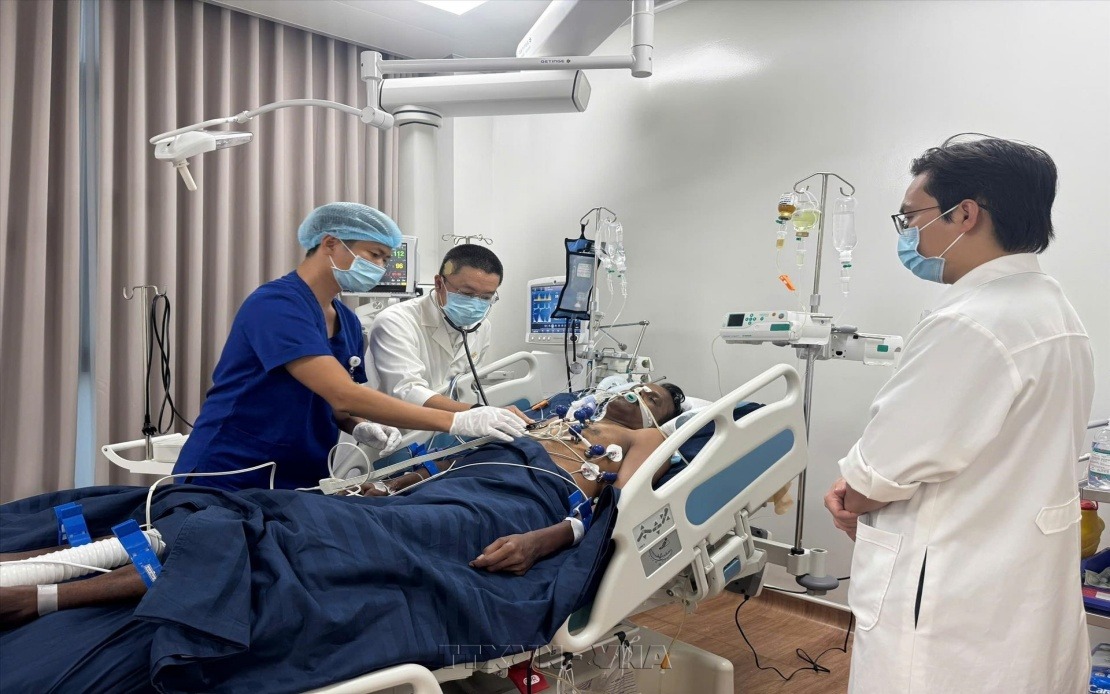
Critical stabilisation efforts began within minutes of arrival at the hospital. Through nearly two hours of intensive resuscitation procedures, medical teams successfully stabilised two patients in critical condition. Both individuals were subsequently transferred to the intensive care unit, where they regained consciousness and remained in stable condition as treatment progressed. This recovery represented a significant achievement given the severity of their initial presentation and the complexity of the trauma sustained.
By 6:15 p.m. on July 11, the hospital had received 15 additional victims, all conscious at the time of admission. These patients underwent comprehensive medical examinations, trauma screening assessments, and supportive treatment protocols to address their injuries and facilitate recovery. The hospital's rapid triage system allowed medical staff to categorise patients by severity and allocate resources efficiently across the facility.
Dr. Nguyen Quang Thang, Director of Sun Group International Hospital, provided updates on two particularly serious cases involving severe respiratory failure. One patient recovered sufficiently to be placed under monitoring protocols pending discharge, while the second remained hospitalised due to pre-existing medical conditions that complicated their recovery. The hospital coordinated with Cho Ray Hospital in Ho Chi Minh City, a major tertiary care facility, to provide specialised intensive care treatment. Medical professionals indicated optimism regarding the patient's prognosis despite ongoing complications.
Government financial assistance mechanisms were activated to support victims and bereaved families. The vessel's operator agreed to provide immediate financial assistance of 1,000 USD to families who lost loved ones and 500 USD to each injured passenger. This represented a commitment to immediate compensation while formal legal processes proceeded. The Phu Quoc Special Zone administration supplemented these payments with an additional 26 million Vietnamese Dong, approximately 1,000 USD, for each person who died in the accident, ensuring that families received substantial support during the immediate aftermath.
Tran Minh Khoa, Chairman of the People's Committee of the Phu Quoc Special Zone, emphasised that authorities were prioritising victim assistance while simultaneously managing the complex legal and administrative aftermath of the tragedy. His statement reflected the dual focus of provincial administration: delivering humanitarian relief while fulfilling governmental responsibilities regarding investigations and official procedures.
Vietnam's administrative and legal machinery moved rapidly to address the multiple dimensions of the crisis. Authorities expedited investigations into the accident's causes while simultaneously processing civil registration procedures and other legal formalities in accordance with Vietnamese law. Officials coordinated with diplomatic authorities to facilitate prompt repatriation of victims to their home country, recognising the importance of returning deceased individuals and supporting bereaved families through the international repatriation process.
The incident highlights the complex challenges facing tourist destinations in Southeast Asia, where rapid growth in recreational water activities can outpace regulatory oversight and safety infrastructure. The Phu Quoc Special Zone, a major tourism hub, typically handles substantial numbers of international visitors participating in water-based activities. The coordinated response demonstrated Vietnam's capacity to mobilise resources across administrative levels, though questions regarding pre-incident safety standards and regulatory compliance may influence future policy discussions regarding tourist operations in the region.
For Malaysian readers and regional observers, the incident underscores broader issues affecting tourism safety across Southeast Asia. Tourist destinations throughout the region depend on water-based activities, yet regulatory frameworks, enforcement mechanisms, and safety protocols vary significantly. The Vietnamese response—emphasising medical care coordination, rapid financial assistance, and administrative efficiency—offers a model of crisis management, though critics may argue that compensation mechanisms and operator accountability processes require stronger preventive frameworks.
The tragedy carries particular significance given the substantial Indian tourist population visiting Southeast Asian destinations. India-Vietnam tourism has expanded significantly in recent years, making incidents affecting Indian nationals matters of potential diplomatic sensitivity. Vietnam's prompt coordination with diplomatic authorities indicated awareness of these dimensions, attempting to manage the humanitarian crisis while maintaining positive bilateral relations.
Longer-term implications for Phu Quoc and similar destinations may include enhanced regulatory scrutiny, updated safety protocols for water-based operators, improved training standards for vessel personnel, and potentially stricter licensing requirements. The provincial government's rapid response and financial commitment suggest political will to address tourism safety, though implementation of systematic improvements often proceeds more slowly than initial crisis management efforts.

