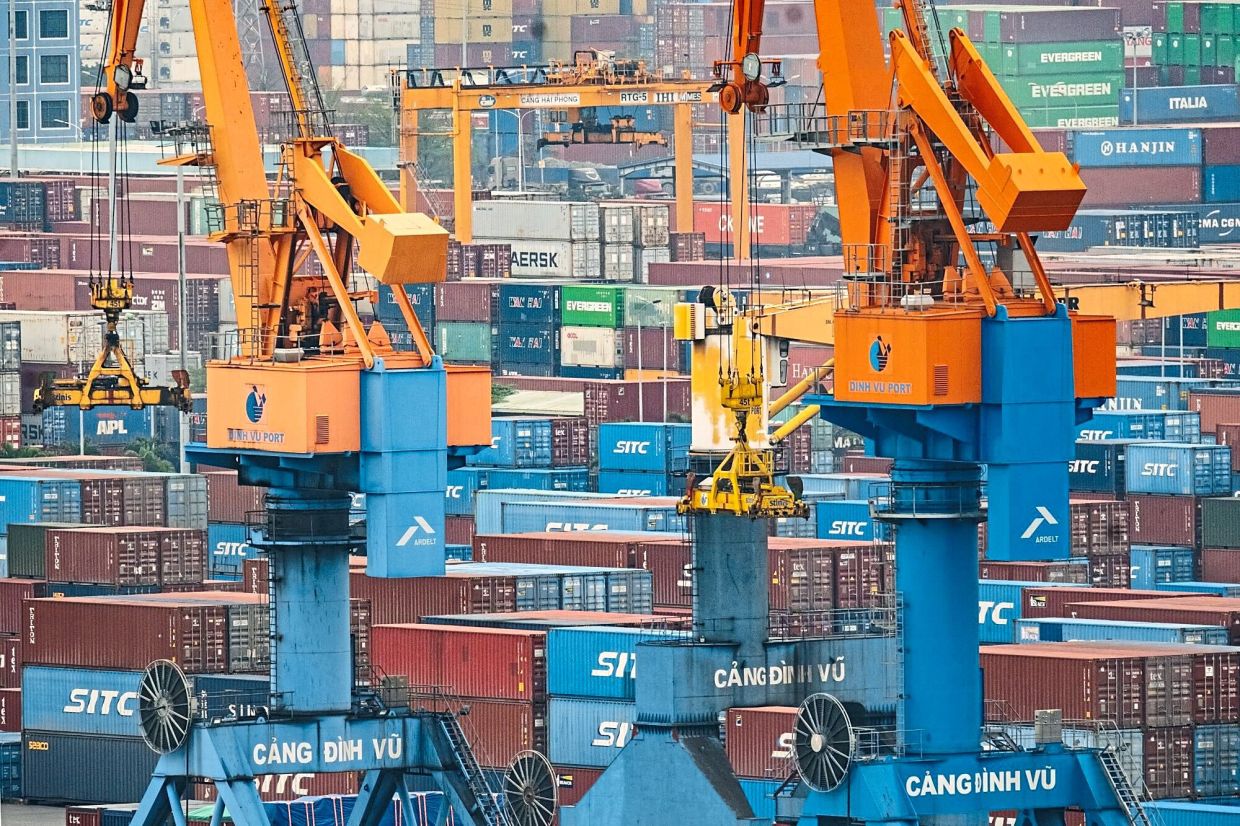
Vietnam's Deputy Prime Minister Nguyen Van Thang travelled to Washington this week to inject momentum into stalled trade negotiations with the Trump administration, reassuring US Trade Representative Jamieson Greer that Hanoi remains committed to "open, constructive" discussions on a reciprocal trade agreement. The visit underscores Vietnam's determination to move past a deadlock that has persisted for months, with both countries struggling to narrow differences on core trade and compliance issues that threaten to derail commerce between the two nations.
Thang's reassurances extended beyond diplomatic niceties. According to a statement from Vietnam's government, the Deputy Prime Minister signalled Hanoi's readiness to tackle specific grievances that have frustrated American negotiators, particularly concerns about the transshipment of goods through Vietnamese ports and the routing of illicit products—particularly those originating from China—into the American market. This acknowledgement represents a meaningful concession in principle, even as details of how Vietnam intends to implement such measures remain unclear at this stage.
The bilateral engagement comes at a critical juncture in the negotiation timeline. The two nations reached a preliminary framework agreement in October, which was meant to serve as a stepping stone toward a comprehensive tariff arrangement. However, progress has stalled since then, leaving both sides struggling to convert that initial understanding into binding commitments. Greer's statement that the US seeks to conclude the negotiations promptly suggests Washington's frustration with the pace of deliberations and its desire to move beyond preliminary discussions toward final terms.
Underlying the tension are three simultaneous Section 301 investigations that US officials have launched into Vietnam's trade practices. These investigations focus on areas where American officials believe Vietnam falls short: the transshipment of goods through the country to circumvent tariffs elsewhere, the presence of non-tariff barriers that restrict US market access, and broader concerns about intellectual property protection and border enforcement. The stakes are substantial—findings from these investigations are scheduled for release in November and could trigger the imposition of retaliatory tariffs against Vietnamese exports.
In April, Greer's office moved to formally designate Vietnam a "priority foreign country" in its annual intellectual property report, citing insufficient action against online piracy and counterfeit merchandise, along with what American officials characterised as inadequate border controls to prevent illicit goods from entering export channels. This designation serves as both a warning and a potential precursor to trade sanctions, signalling that the US has lost patience with what it views as slow progress on enforcement.
The economic dimensions of the dispute are substantial. Vietnam posted a trade surplus with the United States of US$114 billion in the first half of 2026—the largest bilateral trade gap the US maintains with any nation, surpassing even China, Mexico and Taiwan. This figure has attracted significant attention from the Trump administration, which has made reducing American trade deficits a cornerstone of its economic policy. The surplus reflects Vietnam's emergence as a critical production hub for goods consumed in American markets, particularly electronic components and consumer goods manufactured by firms seeking to diversify away from Chinese supply chains.
Complicating Vietnam's position is the simultaneous surge in imports from China, as Vietnamese manufacturers dramatically expand production capacity to meet demand for export-oriented goods. This dynamic creates a perception in Washington that Chinese supply chains are being relocated to Vietnam only to be repackaged and exported to America, effectively circumventing existing tariffs and trade restrictions on Chinese goods. Addressing this concern requires Vietnam to implement more rigorous tracking and certification systems—measures that impose real costs on manufacturers and government enforcement agencies alike.
Beyond the formal trade negotiations, Thang's visit included meetings with major American technology and industrial firms including Qualcomm Inc., Visa Inc., Axon Enterprise Inc. and Caterpillar Inc. These discussions reflect a parallel strategy: even as Vietnam works to resolve disputes with US officials, it is simultaneously pitching itself as an attractive investment destination. The government hopes that expanding American corporate presence and investment in the country might create constituencies within the US business community with an interest in maintaining stable, beneficial trade relations.
For Malaysian observers, this dynamic holds particular relevance. Vietnam's trade relationship with the United States shapes competitive dynamics across Southeast Asia, particularly in sectors where Malaysia also seeks to establish or maintain manufacturing footholds. If tariffs on Vietnamese goods rise significantly, Vietnam's comparative advantage in certain sectors may shift, potentially creating openings or challenges for Malaysian exporters depending on the product category. Additionally, should Vietnam face restrictions on transshipment through its ports, regional logistics networks may need recalibration, affecting how goods move through Southeast Asia more broadly.
The outcome of these negotiations will likely influence how the Trump administration approaches trade relationships across the region. If Vietnam can satisfy American concerns on intellectual property, border controls, and the routing of Chinese goods, it might establish a template for other Southeast Asian nations to follow. Conversely, if the bilateral talks collapse and tariffs are imposed, it could signal that American trade officials are willing to use aggressive measures against even strategically important partners in the region, potentially hardening positions across multiple negotiations.
Vietnam's willingness to engage constructively offers some grounds for optimism that a breakdown can be avoided. However, the November deadline for the Section 301 investigations creates genuine pressure to demonstrate concrete progress. The next weeks will reveal whether Thang's diplomatic overtures translate into substantive policy changes that address American concerns, or whether Vietnam's responses prove insufficient to satisfy the Trump administration's demands.

