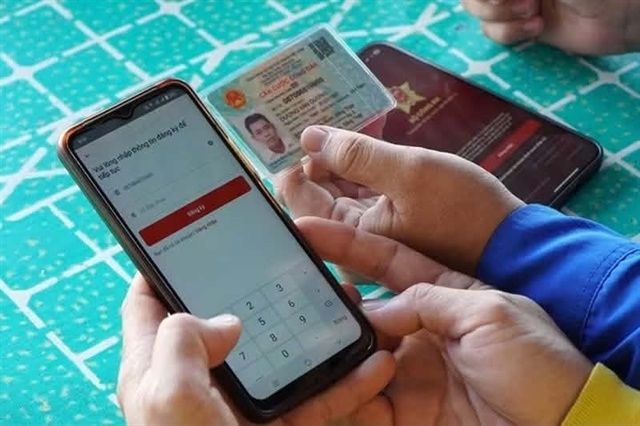
Vietnam has taken a significant step towards digitalising its identity ecosystem by issuing a new government decree that extends electronic identification account eligibility to foreign nationals living lawfully within its borders. Under the provisions announced by Vietnam News Agency, overseas residents can now apply for e-ID accounts at any classification level, marking a notable expansion of the country's digital identity infrastructure beyond its citizen base. The decree, which takes effect on September 28, 2026, represents a shift in how Hanoi manages identification and authentication in an increasingly connected digital economy.
The expansion of Vietnam's electronic identification system addresses practical challenges faced by foreign residents, expatriate workers, and international business personnel operating within the country. By enabling non-citizens to access e-ID accounts, Vietnam reduces administrative friction for the estimated millions of foreigners who live, work, and conduct business in the country at any given time. This approach aligns with regional trends across Southeast Asia, where several nations have begun extending digital identity services to non-resident populations to facilitate commerce, employment verification, and administrative processes.
Vietnamese citizens retain tiered access to the system based on age and documentation status. Those aged six years or older holding a valid citizen identity card or identity card can obtain either Level 1 or Level 2 electronic identification accounts upon request. Children under six who possess an identity card are restricted to Level 1 access, reflecting security and authentication protocols established by Vietnamese authorities. These differentiated access levels suggest a risk-based framework where higher-tier accounts carry greater authentication weight and likely unlock more sensitive transactions or data access.
The decree simultaneously introduces a streamlined process that reduces bureaucratic redundancy. A critical amendment eliminates the requirement for individuals and organisations to resubmit documentation when relevant data have already been integrated into government systems. This provision addresses a longstanding frustration across Southeast Asia's digital governance landscape, where citizens and businesses frequently must reproduce documentation despite government agencies already holding such records. The change should accelerate account creation and reduce processing delays for both citizens and eligible foreign nationals.
The scope of documents now eligible for integration into Vietnam's national identification application is expansive. For individuals, the system incorporates 66 document categories, encompassing birth certificates, residence verification papers, standard passports, visa records, vehicle registration documents, driving permits, and investment licences. This breadth suggests Vietnam is constructing a comprehensive digital identity platform that consolidates most essential personal documentation into a single accessible repository. Foreign nationals seeking to verify credentials or establish identity across Vietnamese institutions can theoretically do so through this consolidated digital interface.
Government and private organisations operating in Vietnam gain parallel benefits under the decree. They may obtain electronic identification accounts at any level and can have 140 categories of organisational documents integrated into the system. These encompass seal specimen registration certificates, official name identification documents, business operating licences, and trade authorisation papers. For international companies establishing subsidiaries or branches in Vietnam, this integration simplifies compliance and verification processes, reducing the need for physical document submission during regulatory interactions.
The practical implications for Malaysia and other Southeast Asian nations warrant consideration. Vietnam's expansion of e-ID eligibility to foreign nationals could establish a template for regional digital governance. As ASEAN nations pursue mutual recognition agreements and digital identity frameworks under initiatives such as the ASEAN Digital Master Plan, Vietnam's approach demonstrates how countries can extend digital services across borders while maintaining security protocols. Malaysian companies operating in Vietnam, for instance, would benefit from streamlined digital verification processes when their Vietnamese counterparts hold integrated organisational credentials.
The September 2026 implementation timeline provides Vietnamese authorities and service providers sufficient lead time to prepare backend infrastructure and ensure system stability before activation. This phased approach contrasts with rushed digital rollouts that have sometimes generated technical failures and citizen frustration across Asia. The advanced notice also allows foreign nationals and organisations currently in Vietnam to prepare documentation and plan account applications accordingly, reducing last-minute congestion.
Vietnam's evolution towards comprehensive digital identity infrastructure reflects broader regional patterns where governments digitise services to enhance efficiency, reduce corruption, and improve citizen convenience. However, the inclusion of foreign nationals raises data sovereignty and cybersecurity considerations. Storing sensitive documents and identity information for non-citizens in centralised digital repositories requires robust encryption, access controls, and international data protection compliance. Vietnam must ensure its systems meet standards expected by foreign governments and international businesses handling sensitive personnel data.
The decree's emphasis on integrated documentation also signals Vietnam's commitment to reducing paper-based bureaucracy, a significant undertaking in a nation where physical documentation remains culturally entrenched. By demonstrating convenience and reliability through the e-ID platform, authorities may accelerate voluntary adoption among both citizens and foreign residents. Success with this system could inform future integration of utilities payments, healthcare records, and financial services into the national identification app, creating a comprehensive digital government platform.
For Malaysian professionals working in Vietnam—spanning manufacturing, finance, technology, and education sectors—the expanded e-ID system offers tangible improvements in daily administrative interactions. From opening bank accounts to registering business transactions or accessing government services, digital identity verification should become faster and more transparent. Similarly, Vietnamese workers in Malaysia may eventually benefit from reciprocal arrangements as ASEAN nations standardise digital identity protocols.
The inclusion of investment licences within the individual document category suggests Vietnam is actively facilitating entrepreneurship among foreign nationals by making credential verification simpler. This could encourage more Southeast Asian startups and professionals to establish presence in Vietnam, contributing to regional labour mobility and economic integration. The 2026 effective date allows time for private sector partners—banks, telecommunications companies, and service providers—to integrate the e-ID system into their customer onboarding processes, maximising the practical utility of the new framework when it launches.

