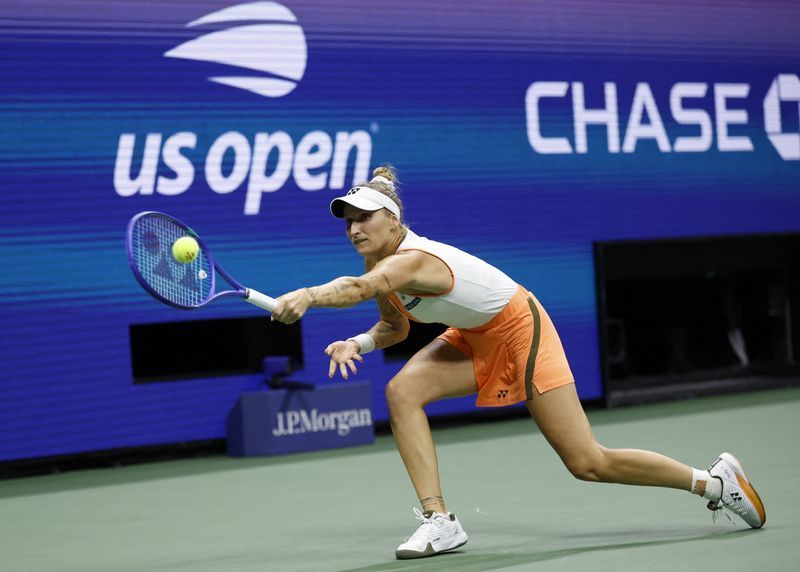
Former Wimbledon champion Marketa Vondrousova has escalated her fight against a four-year doping suspension by filing an appeal with the Court of Arbitration for Sport, the international body confirmed this week. The Czech player is contesting the ban handed down in June by the International Tennis Integrity Agency over her refusal to provide a sample during an out-of-competition test at her residence in December of the previous year. The case marks a significant legal battle in professional tennis and raises broader questions about athlete privacy rights and testing protocols within the sport's anti-doping framework.
Vondrousova's suspension centers on her failure to comply with a doping control officer's request for a sample at 8:15 p.m. on December 3. Under World Anti-Doping Agency rules, athletes must submit to testing on demand during out-of-competition periods, and refusal carries penalties equivalent to a positive result. The player has maintained her innocence throughout the process, emphasizing that she has never engaged in doping and that a test administered just three days after the December incident returned a negative result, supporting her claim of clean status.
In public statements issued in April, Vondrousova articulated her perspective on the contentious test attempt, describing how she had endured months of physical and mental strain leading up to the incident. She characterized the officer's arrival at her home and immediate demand for testing as an unjustifiable intrusion into her private space, suggesting that the timing and manner of the test request crossed ethical boundaries that should protect athletes during their personal time. This framing of the dispute reflects growing tension within professional sports between the regulatory demands of anti-doping enforcement and athlete autonomy, an issue that resonates particularly in European legal contexts where privacy protections are traditionally robust.
The implications for Vondrousova's career are substantial and troubling. Under the current ban, she remains prohibited from competing until June 21, 2030, when she will reach 30 years old, effectively removing her from her prime competitive years. At 27, she would forfeit nearly all of what should be her peak performing decade. For Southeast Asian tennis followers and regional sports administrators, the case underscores how strict liability rules in anti-doping can devastate athlete careers regardless of whether actual substance use occurred, a precedent that affects player welfare across the international circuit.
Vondrousova's competitive standing has already deteriorated significantly. She last competed at the Adelaide International in January, which she withdrew from due to a shoulder injury, and her world ranking has plummeted from number six to number 153 during her absence from professional play. This dramatic drop illustrates how lengthy suspensions compound the damage through loss of ranking points and tournament opportunities, creating a compounding penalty beyond the formal ban itself. The injury issue adds complexity, as her physical condition at the time of the December test and during subsequent months remains a contextual factor in understanding the full circumstances.
Her resume before this dispute established Vondrousova as one of tennis's emerging talents. She captured the prestigious 2023 Wimbledon championship, cementing her status among the sport's elite. Prior accomplishments included reaching the French Open final in 2019, demonstrating her capacity to perform on grand slam stages, and winning a silver medal at the Tokyo Olympics in 2021. These achievements positioned her among the world's leading competitors and made her a significant figure in international tennis, particularly for Central European representation in women's tennis.
The Court of Arbitration for Sport has now received the formal appeal but has not yet scheduled a hearing, meaning the legal process could extend for several months or longer. This procedural status leaves Vondrousova in limbo, unable to resume her career while awaiting resolution. The hearing, whenever it occurs, will likely examine technical compliance issues, the appropriateness of testing procedures, privacy considerations under international law, and whether the International Tennis Integrity Agency followed proper protocols in bringing the charges.
For Malaysian and Southeast Asian sports governance structures, the Vondrousova case offers cautionary lessons about balancing anti-doping integrity with fair process protections. Regional sports bodies and national federations increasingly adopt international anti-doping standards, yet this case demonstrates potential rigidity in how those standards apply to individual circumstances. The appeal process at CAS could set precedent affecting how future testing disputes are adjudicated, particularly regarding out-of-competition testing procedures and athlete rights during enforcement actions.
The broader tennis community faces scrutiny regarding whether current anti-doping protocols adequately account for athlete privacy and procedural fairness. Vondrousova's case has intensified debate about testing timing, notice requirements, and what constitutes reasonable compliance expectations. If the CAS hearing substantively examines these issues, it could influence how the International Tennis Integrity Agency and other sporting bodies structure future testing operations and what protections athletes receive.
The stakes for Vondrousova personally and professionally remain extraordinarily high. A successful appeal could restore her eligibility and allow her to salvage significant portions of her career, while an unsuccessful challenge leaves her barred from professional tennis for years. For fans across Southeast Asia who follow international tennis, the outcome matters both for the sport's competitive integrity and for its reputation regarding fair treatment of athletes at its highest levels.

