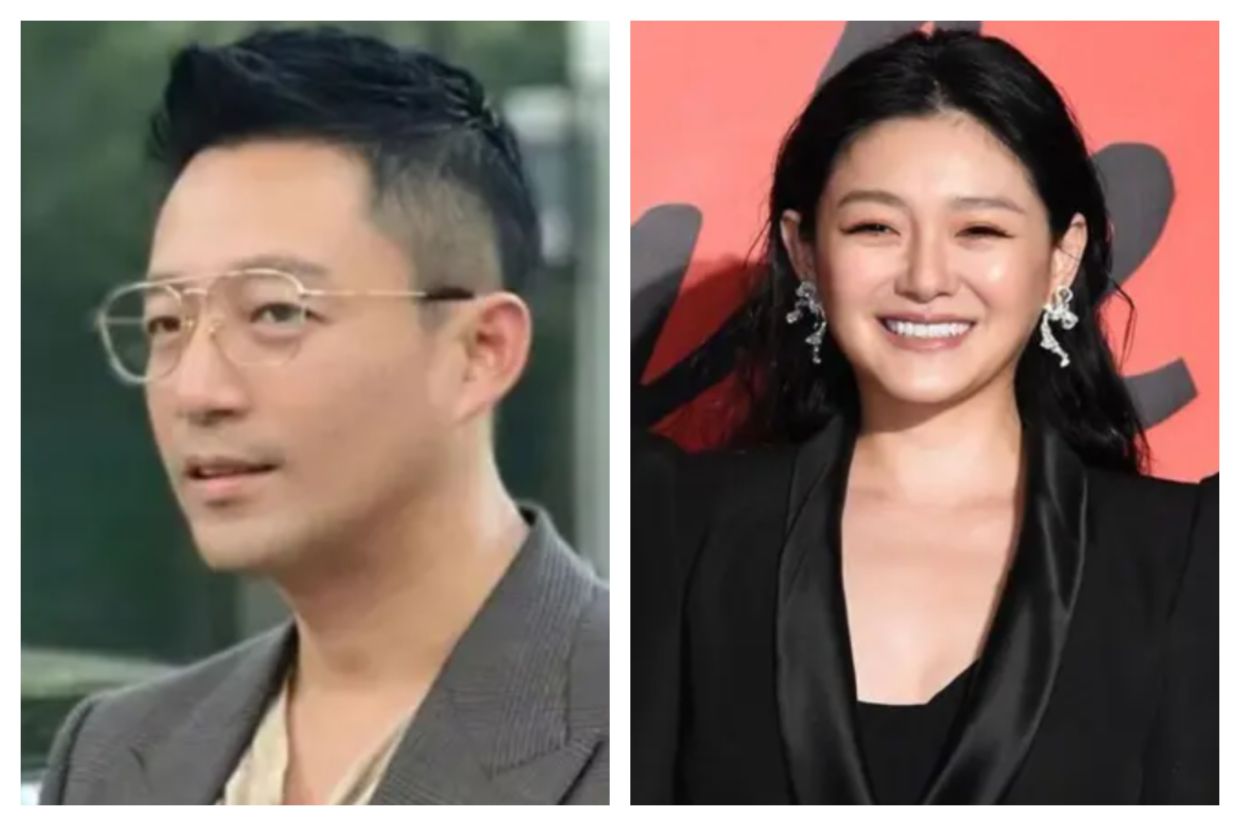
Wang Xiaofei, a prominent Chinese entrepreneur, has stepped forward to dispel mounting speculation about the estate of his former spouse, Taiwanese actress Barbie Hsu, who passed away in 2025. Through an official statement released by his representatives in mid-July, Wang sought to clarify the circumstances surrounding Hsu's inheritance while addressing a series of rumours that have troubled the family since her death from pneumonia. The statement represents a rare public intervention in what has become a closely scrutinised matter in entertainment circles across Taiwan, China, and South Korea.
The couple's connection lasted more than a decade, having remained married for 11 years before their separation was finalised in 2021. During their marriage, they welcomed two children together, both of whom remain minors and stand to benefit substantially from their mother's estate. The dissolution of their marriage did not diminish Wang's apparent concern for the financial security of his offspring, a factor that has become central to his recent public comments regarding the division of assets.
Following her divorce from Wang, Hsu rekindled a romantic connection with Koo, known professionally as DJ Koo, a Korean musician and entertainer whom she had initially met in 1998. The couple eventually formalised their relationship through marriage, though their time together was tragically cut short by Hsu's untimely death. According to Taiwan's succession laws, Koo became entitled to a one-third share of Hsu's estate as her surviving spouse, a distribution that Wang's representatives have confirmed is legally binding and which Wang himself has publicly stated he accepts.
The structure of the inheritance reveals that approximately two-thirds of Hsu's total assets have been allocated to her two minor children and are being held within formal trust arrangements to ensure their protection and proper management. Concerned about safeguarding his children's legal interests during what could be a protracted and complex probate process, Wang initiated proceedings to have the court appoint a special representative tasked with advocating for the minors' rights throughout the estate settlement. This proactive measure underscores his determination to navigate what appears to be a delicate family situation with appropriate legal oversight.
Hsu's accumulated wealth, estimated by Taiwanese financial analysts to reach approximately 600 million yuan—equivalent to RM361 million—comprises a diverse portfolio of assets. Her holdings include a residential property situated at the National Taiwan Museum of Fine Arts precinct, a luxury penthouse unit, and various financial instruments and assets she obtained through the divorce settlement agreement with Wang. This substantial estate has naturally attracted considerable media attention and public curiosity, particularly given the celebrity status of all parties involved.
In recent weeks, multiple unverified claims had circulated through online platforms and entertainment news outlets, suggesting that Hsu's residence faced imminent foreclosure due to accumulated unpaid mortgage obligations. These allegations gained additional traction when Hsu's mother reportedly expressed concerns about potentially losing her residence and being compelled to vacate the family home. Wang's representatives have firmly rejected these characterisations, providing concrete details to counter the narrative. They disclosed that Wang has consistently met all mortgage payments that were legally transferred to the children following Hsu's death, thereby maintaining the property's security and ensuring continuity of residence for all household members.
Beyond the financial mechanics of mortgage servicing, Wang's team has emphasised his respect for the family arrangements and his willingness to accommodate Hsu's mother's ongoing residence in the home. The representatives stressed that no demands or pressure have been placed upon the elderly woman to relocate, and that she remains welcome to occupy the residence indefinitely. This statement appears designed to address emotional and familial concerns that had been amplified by speculative media coverage, signalling Wang's commitment to maintaining harmonious family relations despite the complexities of the inheritance process.
Regarding the one-third portion of the estate designated for DJ Koo, Wang's representatives articulated a position of formal acceptance and non-interference. They acknowledged that Koo holds legitimate legal entitlement to this share and that he possesses complete autonomy in determining how to deploy or distribute these assets according to his own preferences. This measured response suggests an attempt by Wang to project reasonableness and legal compliance while simultaneously managing public perception of a situation that could easily be portrayed as contentious or adversarial.
The management and distribution of the estate is proceeding under the careful supervision of a court-appointed legal professional, a procedural safeguard that provides institutional oversight to the inheritance process. This formal legal framework is designed to ensure that all statutory requirements are met and that the interests of all beneficiaries—particularly the minor children—receive adequate protection throughout the settlement period. The involvement of judicial oversight lends credibility to the orderly administration of what is unquestionably a high-profile and complex matter.
Wang's representatives have made an explicit appeal to media organisations to cease publishing unverified claims and speculative narratives regarding the inheritance arrangements. They contended that sustained sensationalist coverage has caused genuine distress to family members who are already navigating the profound grief of losing a beloved daughter, mother, and former spouse. This request reflects a growing tension between public interest in celebrity estate matters and the family's desire for privacy during what is evidently a difficult period. For Malaysian readers familiar with similar high-profile inheritance disputes involving regional celebrities, this situation illustrates the intersection of entertainment industry scrutiny, complex family dynamics, and substantial financial interests that frequently characterise such cases across East and Southeast Asia.

