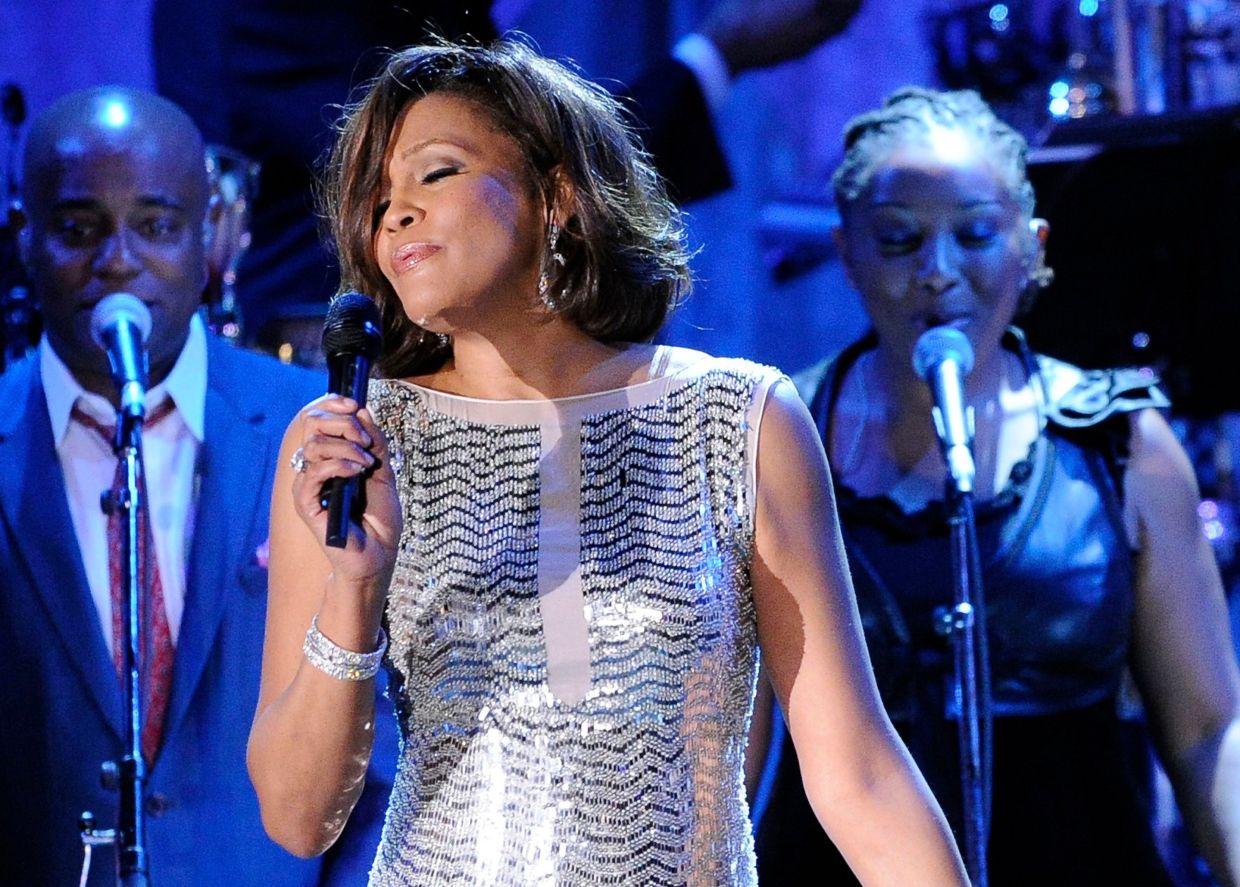
As Whitney Houston's legacy enters a fresh chapter, her estate executor and sister-in-law Pat Houston is orchestrating a multi-platform celebration of the late superstar, marking what would have been her 63rd birthday on August 9. The confluence of new releases and products—from a historic Barbie doll to a curated album of chart-topping singles—suggests the Houston estate is pursuing an integrated strategy to keep the iconic vocalist relevant to both legacy audiences and younger generations, much like how Michael Jackson's estate has managed his posthumous presence through documentaries, remasters, and licensing deals.
The centrepiece of this year's birthday commemoration is a compilation album assembling all 11 of Whitney Houston's Billboard Hot 100 number-one singles. According to Pat Houston, this collection represents far more than statistical achievement; it embodies the cultural touchstones that defined multiple generations across the globe. Each track, she emphasises, transcended mere commercial success to become woven into the fabric of millions of lives, a testament to an unparalleled vocal instrument that remains unmatched in popular music history. The album's release carries symbolic weight, crystallising Houston's dominance during her peak commercial years into a single, easily accessible product that allows both longtime devotees and new listeners to appreciate her chart-conquering trajectory.
Equally significant is the debut of the Whitney Houston Barbie, developed in partnership with Mattel, the toy manufacturer's parent company. The creation of this doll carries particular emotional resonance for Pat Houston, who reveals that conversations about a Whitney Houston Barbie occurred more than two decades ago between herself and the late singer. The realisation of this decades-deferred dream serves as a poignant reminder that legacy projects often require patience and careful cultivation. For Malaysian and Southeast Asian audiences, the Barbie release signals how international entertainment properties increasingly recognise the importance of celebrating non-American cultural figures and artists whose influence transcended geographical boundaries.
Pat Houston's comments underscore the estate's deliberate, measured approach to expanding Houston's posthumous presence. Rather than flooding the market with hastily assembled projects, the estate prioritises purposefulness and strategic timing. Houston emphasises that while her legendary catalogue opens endless possibilities for new releases and projects, indiscriminate oversaturation would dilute rather than enhance her legacy. This philosophy reflects lessons learned from both successful and problematic posthumous celebrity management in the streaming era, where audience fatigue can quickly undermine even the most carefully produced tributes.
The role of music legend Clive Davis emerges as a crucial thread in Houston's artistic narrative. Pat Houston describes a relationship that transcended the conventional mentor-protégé dynamic, characterising it instead as a profound mutual affection rooted in professional respect and personal care. Davis, who passed away in 2024, remained Houston's champion throughout his life, consistently highlighting her significance whenever discussing contemporary music. For industry observers, this relationship demonstrates how foundational figures like Davis shaped not only individual careers but entire eras of popular music, making his perspective invaluable for anyone seeking to understand Houston's artistic development and cultural impact.
When pressed about potential biographical projects—the implicit reference to a possible Michael Jackson-style documentary treatment—Pat Houston deflects with deliberate caution. She acknowledges that various proposals regularly arrive at the estate's offices but insists on maintaining stringent creative control and ensuring alignment with Houston's values and legacy. This guardianship approach reflects growing sophistication among celebrity estates about protecting narrative authority, particularly following both celebrated and controversial posthumous documentaries that sometimes contradicted family wishes or historical accuracy.
Beyond conventional filmed entertainment, Pat Houston articulates an ambitious vision centred on archival discoveries and previously unreleased performances. She hints at the existence of live concert footage and studio recordings that North American audiences have never witnessed, despite international circulation in other regions. This archival strategy offers tremendous potential for Malaysian and regional Asian audiences, who often receive delayed or incomplete access to premium entertainment content. Releasing previously unseen performances could simultaneously satisfy dedicated fandoms while introducing Houston's artistry to demographic segments that may have only encountered her through radio hits or compilation highlights.
The broader implications of this estate strategy extend beyond Whitney Houston alone. As streaming platforms dominate music consumption and documentary storytelling shapes how audiences understand cultural figures, the decisions made by Houston's representatives will likely influence how other major artists' legacies are managed posthumously. The careful balance between honouring the departed, satisfying commercial imperatives, and controlling narrative represents an ongoing challenge for entertainment estates across the industry.
For Malaysian listeners and Southeast Asian music fans, Whitney Houston's enduring relevance reflects her genuine international reach during her lifetime. Her influence appears not merely in tribute albums or nostalgia-driven merchandise but in how her vocal techniques and performance standards shaped multiple generations of regional artists. The current celebration of her achievements through contemporary formats like Barbie dolls and streaming compilations ensures that her contributions remain visible in popular culture rather than receding into historical obscurity.
As Pat Houston navigates these legacy decisions, she carries responsibility not only to commercial interests but to Houston's artistic vision and the millions worldwide whose lives were touched by her music. The measured, purposeful approach currently guiding the estate suggests that rather than pursuing a single, comprehensive biographical film in the Michael Jackson mould, the Houston legacy may instead unfold across multiple platforms and formats, each carefully timed and creatively considered. This distributed approach to legacy building may ultimately prove more effective than any single documentary, creating opportunities for continuous rediscovery rather than a singular narrative moment.

